


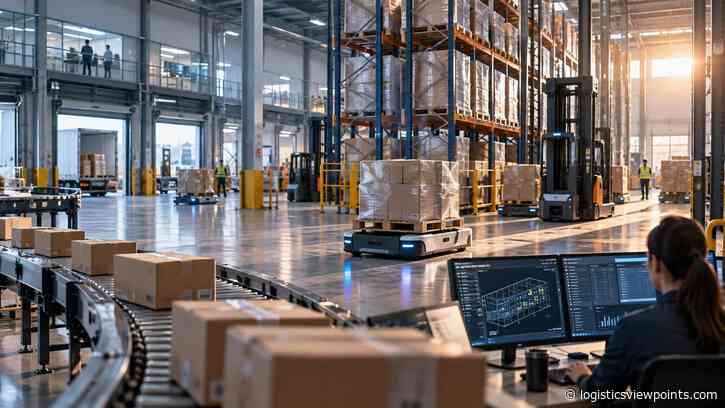
The 2026 warehouse management systems market is more useful as a map of architectural and operating differences than as a league table. Providers can share a WMS label while differing materially in execution depth, extensibility, automation orchestration, decision support, deployment model, and the operating environments they are designed to serve.
For warehouse management systems, useful dimensions include operational depth, breadth of supported workflows, architecture and interoperability, int
✗ Close categories
 Addiction
Apple
Arts
Asia News
British Airways
Business
Cars
Celebrity
Christianity
Cinema, Theater & TV
Conspiracy Theories
Coronavirus
Ebola
Economy
Education
Electronics
Entertainment
Environment
Fashion
Finance
Food
Funny videos
Gadgets
Games
General News
Health
International Crime
Jobs
Lifestyle
Military
Mindfulness
Movies
Music
News videos
NewsPhoto
Nightlife
Obituaries
Olympics
Organized Crime
Politics
Psychology
Recipes
Royal Family
Sci-Tech
Science
Social media
Sport
Technology
Television
Thames Deckway
Traffic
Travel
Trending UK
UK News
UnitedHealth Group Inc.
Weather
World News
✗ Close categories
Addiction Apple Arts Asia News British Airways Business Cars Celebrity Christianity Cinema, Theater & TV Conspiracy Theories Coronavirus Ebola Economy Education Electronics Entertainment Environment Fashion Finance Food Funny videos Gadgets Games General News Health International Crime Jobs Lifestyle Military Mindfulness Movies Music News videos NewsPhoto Nightlife Obituaries Olympics Organized Crime Politics Psychology Recipes Royal Family Sci-Tech Science Social media Sport Technology Television Thames Deckway Traffic Travel Trending UK UK News UnitedHealth Group Inc. Weather World News✗ Close categories
✗ Close categories
Arsenal
Aston Villa
Athletics
Badminton
Baseball
Basketball
Blackburn Rovers
Blackpool
Boxing
Burnley
Cardiff City
Champions League
Chelsea
Cricket
Crystal Palace
Cycling
Darts
Everton
Formula 1
Formula 1 - Force India Videos
Formula 1 - Infiniti Red Bull Racing Videos
Formula 1 - Live Stream & News
Formula 1 - McLaren Videos
Formula 1 - Mercedes AMG Petronas Videos
Formula 1 - Sauber F1 Team Videos
Formula 1 - Scuderia Ferrari Videos
Formula 1 - Scuderia Toro Rosso Videos
Formula 1 - Team Lotus Videos
Formula 1 - Williams Martini videos
Fulham
Golf
Hockey
Horse Racing
Hull City
Ice Hockey
Leicester City
Liverpool
Manchester City
Manchester United
Middlesbrough
Motorsport
Norwich City
Philadelphia Phillies
Premier League
Queens Park Rangers
Rally
Reading
Rowing
Rugby
scarlets rugby
Soccer
Southampton
Stoke City
Sunderland
Swansea City
Swimming
Tennis
Tottenham
Tour de France
Volleyball
WC soccer 2014
Welsh Rugby Union
West Ham
Wigan Athletic
Wolverhampton Wanderers
✗ Close categories
Arsenal Aston Villa Athletics Badminton Baseball Basketball Blackburn Rovers Blackpool Boxing Burnley Cardiff City Champions League Chelsea Cricket Crystal Palace Cycling Darts Everton Formula 1 Formula 1 - Force India Videos Formula 1 - Infiniti Red Bull Racing Videos Formula 1 - Live Stream & News Formula 1 - McLaren Videos Formula 1 - Mercedes AMG Petronas Videos Formula 1 - Sauber F1 Team Videos Formula 1 - Scuderia Ferrari Videos Formula 1 - Scuderia Toro Rosso Videos Formula 1 - Team Lotus Videos Formula 1 - Williams Martini videos Fulham Golf Hockey Horse Racing Hull City Ice Hockey Leicester City Liverpool Manchester City Manchester United Middlesbrough Motorsport Norwich City Philadelphia Phillies Premier League Queens Park Rangers Rally Reading Rowing Rugby scarlets rugby Soccer Southampton Stoke City Sunderland Swansea City Swimming Tennis Tottenham Tour de France Volleyball WC soccer 2014 Welsh Rugby Union West Ham Wigan Athletic Wolverhampton Wanderers✗ Close categories
✗ Close categories
...test
Aberdeen City
Aberdeenshire
Antrim
Aylesbury Vale
Barking and Dagenham
Barnet
Barnsley
Basildon
Bath and North East Somerset
Belfast
Bexley
Birmingham
Blackburn with Darwen
Bolton
Bournemouth
Bradford
Brent
Brighton and Hove
Bristol
Bromley
Bury
Calderdale
Cambridge
Camden
Cardiff
Central Bedfordshire
Cheshire East
Cheshire West and Chester
Cornwall
County Durham
Coventry
Croydon
Derby
Doncaster
Dudley
Ealing
East Riding of Yorkshire
Edinburgh
Enfield
Essex
Gateshead
Glasgow
Greater London
Greenwich
Hackney
Hammersmith and Fulham
Haringey
Harrow
Havering
Herefordshire
Hillingdon
Hounslow
Hull
Islington
Kirklees
Lambeth
Leeds
Leicester
Lewisham
Liverpool
London
Luton
Manchester
Medway
Merton
Milton Keynes
New Forest
Newcastle
Newcastle upon Tyne
Newham
North Somerset
North Tyneside
North West
Northampton
Northern Ireland
Northumberland
Nottingham
Oldham
Oxford
Peterborough
Plymouth
Portsmouth
Redbridge
Richmond upon Thames
Rochdale
Rotherham
Salford
Sandwell
Scotland
Sefton
Sheffield
Shropshire
Solihull
South East
South Gloucestershire
South West
Southampton
Southend-on-Sea
Southwark
St Helens
Stockport
Stockton-on-Tees
Stoke-on-Trent
Sunderland
Sutton
Swindon
Tameside
Tower Hamlets
Trafford
Wakefield
Wales
Walsall
Waltham Forest
Wandsworth
Warrington
West Midlands
Westminster
Wigan
Wiltshire
Wirral
Wolverhampton
York
✗ Close categories
...test Aberdeen City Aberdeenshire Antrim Aylesbury Vale Barking and Dagenham Barnet Barnsley Basildon Bath and North East Somerset Belfast Bexley Birmingham Blackburn with Darwen Bolton Bournemouth Bradford Brent Brighton and Hove Bristol Bromley Bury Calderdale Cambridge Camden Cardiff Central Bedfordshire Cheshire East Cheshire West and Chester Cornwall County Durham Coventry Croydon Derby Doncaster Dudley Ealing East Riding of Yorkshire Edinburgh Enfield Essex Gateshead Glasgow Greater London Greenwich Hackney Hammersmith and Fulham Haringey Harrow Havering Herefordshire Hillingdon Hounslow Hull Islington Kirklees Lambeth Leeds Leicester Lewisham Liverpool London Luton Manchester Medway Merton Milton Keynes New Forest Newcastle Newcastle upon Tyne Newham North Somerset North Tyneside North West Northampton Northern Ireland Northumberland Nottingham Oldham Oxford Peterborough Plymouth Portsmouth Redbridge Richmond upon Thames Rochdale Rotherham Salford Sandwell Scotland Sefton Sheffield Shropshire Solihull South East South Gloucestershire South West Southampton Southend-on-Sea Southwark St Helens Stockport Stockton-on-Tees Stoke-on-Trent Sunderland Sutton Swindon Tameside Tower Hamlets Trafford Wakefield Wales Walsall Waltham Forest Wandsworth Warrington West Midlands Westminster Wigan Wiltshire Wirral Wolverhampton York✗ Close categories
✗ Close categories
Harry Styles
Aaron Taylor-Johnson
Adele
Ashley Cole
Benedict Cumberbatch
Billie Piper
Boris Johnson
Charlie Hunnam
Cliff Richard
David Beckham
DJ 3lau
DJ Above & Beyond
DJ Afrojack
DJ Alesso
DJ Aly & Fila
DJ Andrew Rayel
DJ Angerfist
DJ Armin Van Buuren
DJ Arty
DJ ATB
DJ Audien
DJ Avicii
DJ Axwell
DJ Bingo Players
DJ Bl3ND
DJ Blasterjaxx
DJ Borgeous
DJ Borgore
DJ Boy George
DJ Brennan Heart
DJ Calvin Harris
DJ Carl Cox
DJ Carnage
DJ Code Black
DJ Coone
DJ Cosmic Gate
DJ Da Tweekaz
DJ Dada Life
DJ Daft Punk
DJ Dannic
DJ Dash Berlin
DJ David Guetta
DJ Deadmau5
DJ Deorro
DJ Diego Miranda
DJ Dillon Francis
DJ Dimitri Vegas & Like Mike
DJ Diplo
DJ Don Diablo
DJ DVBBS
DJ Dyro
DJ Eric Prydz
DJ Fedde Le Grand
DJ Felguk
DJ Ferry Corsten
DJ Firebeatz
DJ Frontliner
DJ Gabry Ponte
DJ Gareth Emery
DJ Hardwell
DJ Headhunterz
DJ Heatbeat
DJ Infected Mushroom
DJ John O'Callaghan
DJ Kaskade
DJ Knife Party
DJ Krewella
DJ Kura
DJ Laidback Luke
DJ Madeon
DJ MAKJ
DJ Markus Schulz
DJ Martin Garrix
DJ Merk & Kremont
DJ Mike Candys
DJ Nervo
DJ Nicky Romero
DJ Noisecontrollers
DJ Oliver Heldens
DJ Orjan Nilsen
DJ Paul Van Dyk
DJ Porter Robinson
DJ Quentin Mosimann
DJ Quintino
DJ R3hab
DJ Radical Redemption
DJ Richie Hawtin
DJ Sander Van Doorn
DJ Sebastian Ingrosso
DJ Showtek
DJ Skrillex
DJ Snake
DJ Steve Angello
DJ Steve Aoki
DJ Tenishia
DJ The Chainsmokers
DJ Tiddey
DJ Tiesto
DJ TJR
DJ Umek
DJ Ummet Ozcan
DJ Vicetone
DJ VINAI
DJ W&W
DJ Wildstylez
DJ Wolfpack
DJ Yves V
DJ Zatox
DJ Zedd
DJ Zomboy
Emilia Clarke
Emily Blunt
Gabriella Wilde
Gary Lineker
Gemma Arterton
Gwendoline Christie
Hayley Atwell
Helena Bonham Carter
Imogen Poots
Jason Statham
John Terry
Juno Temple
Kate Beckinsale
Kate Winslet
Keira Knightley
Liam Payne
Lily Collins
Louis Tomlinson
Niall Horan
Nicholas Hoult
Paul McCartney
Prince William
Ralph Fiennes
Richard Branson
Robbie Williams
Robert Pattinson
Rosamund Pike
Sophie Turner
Theo James
Tom Hardy
Tom Hiddleston
Tony Blair
Tyree Cooper
Wayne Rooney
Zayn Malik
✗ Close categories
Harry Styles Aaron Taylor-Johnson Adele Ashley Cole Benedict Cumberbatch Billie Piper Boris Johnson Charlie Hunnam Cliff Richard David Beckham DJ 3lau DJ Above & Beyond DJ Afrojack DJ Alesso DJ Aly & Fila DJ Andrew Rayel DJ Angerfist DJ Armin Van Buuren DJ Arty DJ ATB DJ Audien DJ Avicii DJ Axwell DJ Bingo Players DJ Bl3ND DJ Blasterjaxx DJ Borgeous DJ Borgore DJ Boy George DJ Brennan Heart DJ Calvin Harris DJ Carl Cox DJ Carnage DJ Code Black DJ Coone DJ Cosmic Gate DJ Da Tweekaz DJ Dada Life DJ Daft Punk DJ Dannic DJ Dash Berlin DJ David Guetta DJ Deadmau5 DJ Deorro DJ Diego Miranda DJ Dillon Francis DJ Dimitri Vegas & Like Mike DJ Diplo DJ Don Diablo DJ DVBBS DJ Dyro DJ Eric Prydz DJ Fedde Le Grand DJ Felguk DJ Ferry Corsten DJ Firebeatz DJ Frontliner DJ Gabry Ponte DJ Gareth Emery DJ Hardwell DJ Headhunterz DJ Heatbeat DJ Infected Mushroom DJ John O'Callaghan DJ Kaskade DJ Knife Party DJ Krewella DJ Kura DJ Laidback Luke DJ Madeon DJ MAKJ DJ Markus Schulz DJ Martin Garrix DJ Merk & Kremont DJ Mike Candys DJ Nervo DJ Nicky Romero DJ Noisecontrollers DJ Oliver Heldens DJ Orjan Nilsen DJ Paul Van Dyk DJ Porter Robinson DJ Quentin Mosimann DJ Quintino DJ R3hab DJ Radical Redemption DJ Richie Hawtin DJ Sander Van Doorn DJ Sebastian Ingrosso DJ Showtek DJ Skrillex DJ Snake DJ Steve Angello DJ Steve Aoki DJ Tenishia DJ The Chainsmokers DJ Tiddey DJ Tiesto DJ TJR DJ Umek DJ Ummet Ozcan DJ Vicetone DJ VINAI DJ W&W DJ Wildstylez DJ Wolfpack DJ Yves V DJ Zatox DJ Zedd DJ Zomboy Emilia Clarke Emily Blunt Gabriella Wilde Gary Lineker Gemma Arterton Gwendoline Christie Hayley Atwell Helena Bonham Carter Imogen Poots Jason Statham John Terry Juno Temple Kate Beckinsale Kate Winslet Keira Knightley Liam Payne Lily Collins Louis Tomlinson Niall Horan Nicholas Hoult Paul McCartney Prince William Ralph Fiennes Richard Branson Robbie Williams Robert Pattinson Rosamund Pike Sophie Turner Theo James Tom Hardy Tom Hiddleston Tony Blair Tyree Cooper Wayne Rooney Zayn Malik✗ Close categories
✗ Close categories
Accountancy
Administration
Advertising
Aerospace
Agriculture
Analyst
Animals
Antiques
Archaeology
Architecture
Arts
Astrology
Astronomy
Auto News
Automotive
Aviation
Bakery
Biotechnology
Brazil
Cabaret
Call Centre
Car News
Care
Catering
Charities
Chemistry
Child care
Cinema, Theater & TV
Cleaning Industry
Coaching
Construction
Customs
Dairy industry
Dance & ballet
Debt collection agencies
Defense
DJ
Economy
Education & Training
Electrical
Entrepreneur
Farming & Agriculture
Financial
Firefighter
Fisheries
Flowers
FMCG
Food
Fruit & Vegetables
Genealogy
General News
Government
Hair stylist
Hotel
HR & Recruitment
ICT
Insurance
IT Executive
Jobs
Justice
Landscaper
Lawyer
Legal
Library
Logistics
Marketing
Meat industry
Medical Industry
Mining
Nurse
Online Trends
Pharmaceutical Industry
Pharmacy
Physical therapy
Police
Political
PR Public relations
Production & Industry
Project Management
Psychology
Public Transport
Publisher
Real estate
Research & Development
Restaurant
Retail
Sales & Marketing
Security
SEO
Shipping
Social work
Sustainable Energy
Teacher
Telecom
Tourism
Traditional Energy
Transport
Travel Industry
Web Design
✗ Close categories
Accountancy Administration Advertising Aerospace Agriculture Analyst Animals Antiques Archaeology Architecture Arts Astrology Astronomy Auto News Automotive Aviation Bakery Biotechnology Brazil Cabaret Call Centre Car News Care Catering Charities Chemistry Child care Cinema, Theater & TV Cleaning Industry Coaching Construction Customs Dairy industry Dance & ballet Debt collection agencies Defense DJ Economy Education & Training Electrical Entrepreneur Farming & Agriculture Financial Firefighter Fisheries Flowers FMCG Food Fruit & Vegetables Genealogy General News Government Hair stylist Hotel HR & Recruitment ICT Insurance IT Executive Jobs Justice Landscaper Lawyer Legal Library Logistics Marketing Meat industry Medical Industry Mining Nurse Online Trends Pharmaceutical Industry Pharmacy Physical therapy Police Political PR Public relations Production & Industry Project Management Psychology Public Transport Publisher Real estate Research & Development Restaurant Retail Sales & Marketing Security SEO Shipping Social work Sustainable Energy Teacher Telecom Tourism Traditional Energy Transport Travel Industry Web Design✗ Close categories
-
Mapping the 2026 Warehouse Management Systems Market


-
SpaceX’s 80,000-Site Ambition: The Logistics Behind a Potential $80 Billion Wireless Build
 SpaceX has shown that it can build sophisticated technology, launch it into orbit, and operate a communications network spanning much of the planet. Now it is considering a challenge that may be just as demanding: establishing a nationwide terrestrial wireless network to compete with AT&T, Verizon, and T-Mobile. The technology matters, but the outcome could depend more on something familiar to logistics professionals: getting the right equipment, people, infrastructure, and approvals to tho
-
AI Is Changing How Supply Chain Technology Buyers Find Suppliers. Are You Part of the Answer?
 A transportation management system supplier can have an excellent product, strong customer references, a capable sales organization, and an established position in the market. Yet a prospective customer searching for a solution may never encounter that supplier. Not because the company lacks the necessary capabilities, but because an AI-generated comparison has already presented a different set of alternatives.This matters to companies selling logistics and supply chain technology. For years, s
-
India’s Semiconductor Push Tests Logistics Readiness
 Building a semiconductor factory is an extraordinary engineering undertaking. Keeping it supplied and running is an equally demanding logistics undertaking. The equipment is costly and sensitive, materials must meet exacting requirements, and production schedules leave little room for uncertain arrivals.
India's efforts to establish a broader semiconductor manufacturing ecosystem are therefore creating an opportunity that extends well beyond factory construction. They require specialized transpo
-
The Autonomous Logistics Network
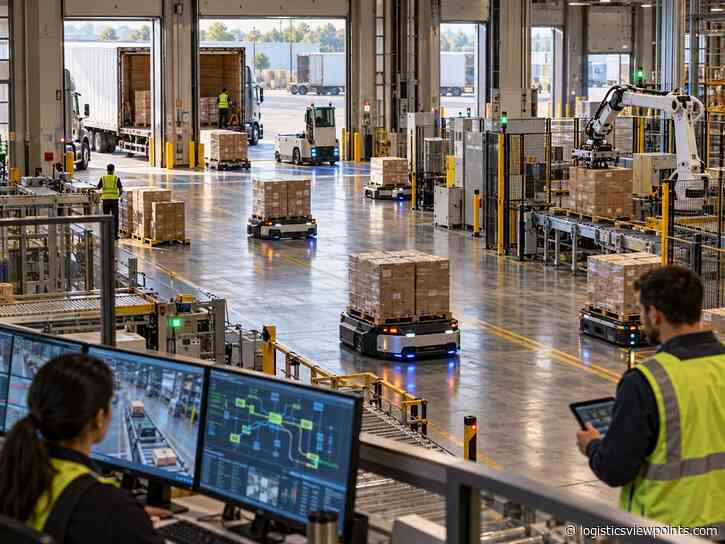 The autonomous logistics network will not arrive as a warehouse with no people or a fleet with no drivers. It will not be switched on one morning after a company installs an AI platform.
It will emerge incrementally as more routine logistics decisions stop waiting for human coordination. The path toward autonomy therefore depends on the discipline described in Engineer AI Into the Decision: authority, context, optimization, and control have to be designed together.
That is the logical conclusion
-
Managing 3PL Ramp-Ups: Why Digital Workforce Readiness Matters as Much as Physical Automation
 Third-party logistics (3PL) providers live in a world of constant change. New customer contracts, seasonal peaks, facility expansions, and labor fluctuations can require operations to scale from dozens to hundreds of associates in a matter of weeks. While much attention is often paid to warehouse automation and material handling systems, workforce ramp-up remains one of the biggest determinants of whether a new operation succeeds or struggles.The challenge is not simply finding labor. It is enab
-
The AI Bubble Meets the Supply Chain: Where Is the Productivity?
 When Ken Griffin, founder of Citadel, warned this week that financial bubbles almost certainly exist within artificial intelligence, Wall Street took notice. But the more interesting part of his argument was directed at corporate America. Companies are opening their bills from OpenAI and Anthropic and asking whether the technology is producing enough productivity to justify the cost. For transportation, warehousing, and supply chain executives, that is a familiar question.Speaking at Citadel’s
-
What Maersk and Adidas Reveal About Event Logistics
 The most unforgiving delivery window in logistics may not be the next-day parcel commitment. It may be the window before a major event begins. When the crowds arrive, the installation must already be complete. An explanation about a late truck will not improve the customer experience.
That is what makes Maersk’s recently published account of its work with adidas interesting. According to an October 19 case study, Maersk Ground Freight coordinated 38 time-critical installations across North Ame
-
Engineer AI Into the Decision: Optimization, Intelligence, and Autonomy
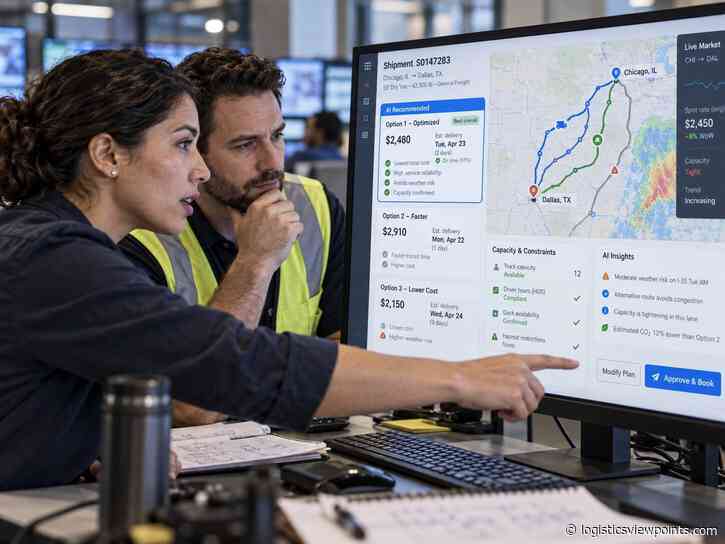 The logistics AI discussion is moving past the question of whether the technology works. The more important question is where the intelligence belongs, what decision it is supposed to improve, and how much authority the system should have when it gets there.
The strategic question is no longer whether AI belongs in the logistics. It is where intelligence should sit in the system and what authority it should have. The distinction made in Decision Intelligence in 2026 is central here: AI should be
-
Where TMS Fits in the New Architecture of Logistics
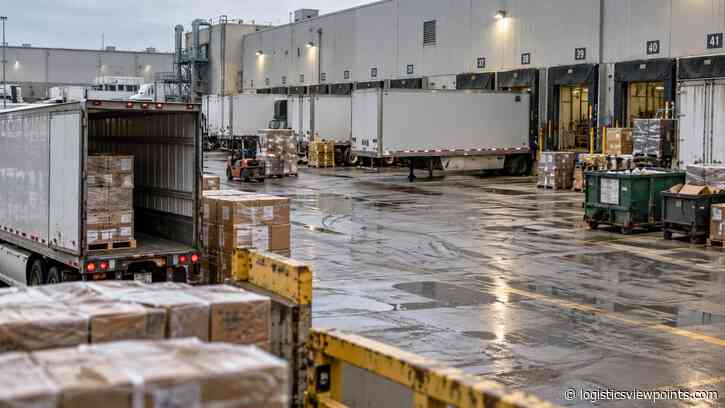 TMS creates value as part of a larger operating architecture, not in isolation. Its role is defined by the interfaces among data, decisions, physical operations, people, carriers, and adjacent execution systems.
At its core, the freight-centric planning and execution system used to translate orders and demand into feasible transportation plans, carrier decisions, tenders, shipment execution, visibility, settlement, and performance management. Around it sits an architecture where ERP and OMS supp
-
Pharma Logistics: From Visibility to Predictive Decisions
 For a temperature-sensitive pharmaceutical shipment, learning that something went wrong is useful. Learning that something is likely to go wrong—and intervening before product integrity is threatened—is considerably more valuable.
That difference is central to the industry’s discussion about the direction of pharmaceutical logistics. In an October 19 article for pharmaphorum, Envirotainer executive Niklas Adamsson argues that logistics organizations should use shipment and historical perfo
-
Meson Logistics Solutions CEO Jonathan Kwok on the Future of Warehouse Execution
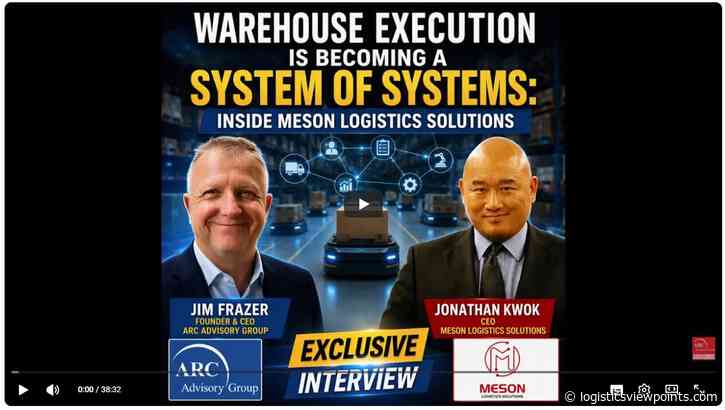 Warehouse management is entering a new phase as warehouse management systems (WMS), automation, robotics, controls, and artificial intelligence become increasingly interconnected. The challenge for distribution operations is no longer simply selecting software with the right functionality, but ensuring that multiple technologies can work together reliably in complex operating environments.In a recent Logistics Viewpoints interview, Jonathan Kwok, CEO of Meson Logistics Solutions, discusses how t
-
AI’s Stranded Capital Problem: When Hardware Arrives Before the Power
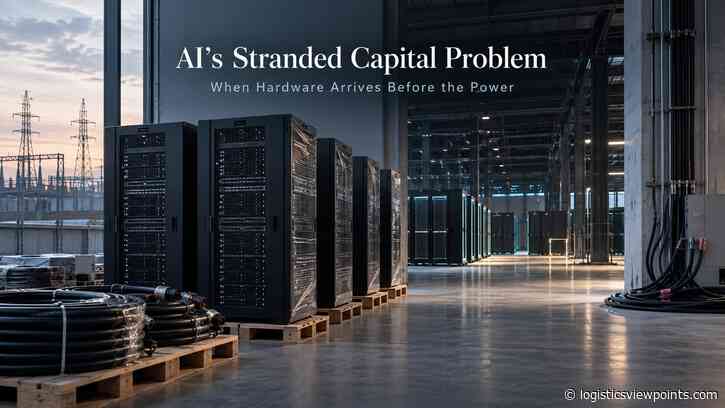 Amazon is reportedly taking delivery of billions of dollars in advanced Nvidia computing equipment before some of its data centers have the electricity needed to operate it. In Australia, data center operator NextDC has sharply reduced its earnings outlook after electrical infrastructure delays prevented it from delivering contracted capacity. These are different operational problems with a common financial consequence: substantial investments are being made in assets that cannot yet generate th
-
Where WMS Fits in the New Architecture of Logistics
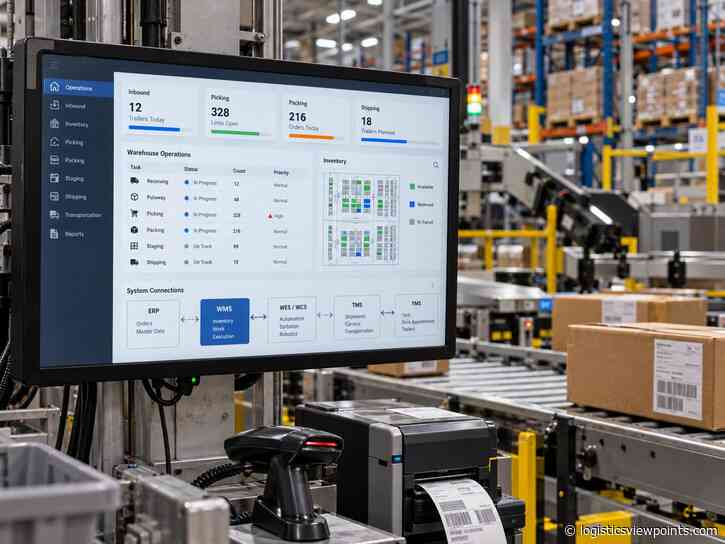 WMS creates value as part of a larger operating architecture, not in isolation. Its role is defined by the interfaces among data, decisions, physical operations, people, automation, and adjacent execution systems.
At its core, the operational system that manages inventory location, warehouse work, task priorities, replenishment, picking, packing, staging, and shipping inside the distribution operation. Around it sits an architecture where ERP and OMS upstream; WMS at the inventory-and-work core;
-
Railway Overhead Contact System Market to Reach USD 4.5 Billion by 2033 at a 5.8% CAGR - SRI
The Railway Overhead Contact System market is projected to reach USD 4.5 billion by 2033, growing at a CAGR of 5.8% from 2025 to 2033, according to Strategic Revenue Insights.
-
SpaceX Reports $4.4 Billion Profit as AI and Starlink Businesses Expand
 SpaceX reported strong third-quarter financial results on Tuesday, October 20, with revenue increasing 161% year-over-year to $14.6 billion and net income reaching $4.4 billion. The results were driven by rapid growth in the company’s artificial intelligence business and continued expansion of its Starlink satellite communications network.The earnings reflect a significant change in SpaceX’s business. While rocket launches remain central to its operations, AI infrastructure and satel
-
The Small Bottleneck with a Big Impact: Why Automating Box Opening Could Be the Next Frontier in Warehouse Productivity
 When supply chain leaders discuss warehouse automation, the conversation typically centers on high-profile technologies. Autonomous mobile robots (AMRs), automated storage and retrieval systems (ASRS), robotic picking, sortation systems, artificial intelligence, and digital twins tend to dominate both investment discussions and industry headlines. Yet some of the most significant productivity opportunities are not found in billion-dollar distribution center transformations. They are hidden in th
-
The Decision Bottleneck Is Becoming a Logistics Capacity Constraint
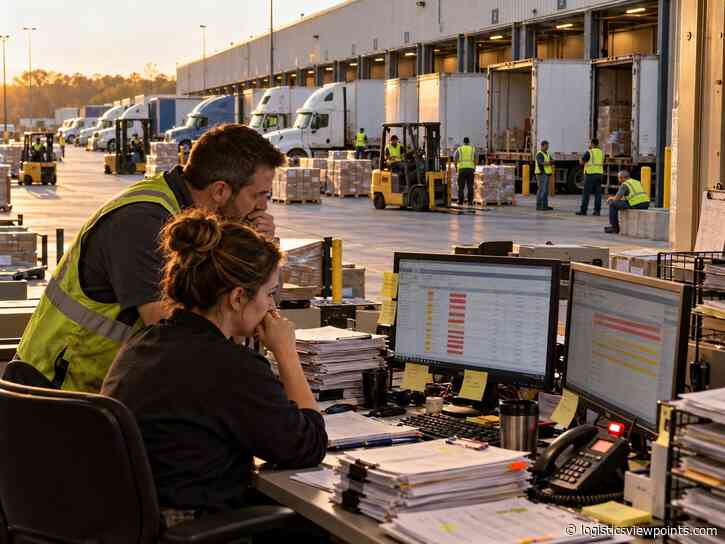 Decision speed matters because logistics capacity can be constrained by queues of unresolved choices just as surely as by a shortage of trucks, doors, labor, or inventory. The important mechanism is the decision bottleneck: work waits while people assemble context, negotiate tradeoffs, secure authority, and translate a choice into action.
A logistics network may have available trucks, open dock doors, sufficient warehouse labor, and inventory on hand and still fail to use that capacity effective
-
Nuclear-Powered Car Carriers Face a Reality Test
 A nuclear-powered car carrier traveling between South Korea and the United States sounds like a concept from the distant future. Two logistics companies have now begun a practical examination of what would be required to operate one commercially. The distinction between studying the idea and ordering a ship is essential.
Hyundai Glovis and U.S.-based Liberty Global Logistics announced a memorandum of understanding in early October to evaluate a pure car and truck carrier powered by a small modul
-
Select Technology for the System, Not the Feature List
 Logistics software evaluations are still too often conducted as feature contests. That approach made more sense when applications were relatively self-contained. It makes much less sense when every important platform now sits inside a web of data, decisions, workflows, automation, and AI.
The traditional feature checklist is not enough. Technology selection increasingly needs a systems engineering lens. The earlier WMS architecture discussion illustrates the principle: feature breadth can be les
-
Logistics Viewpoints Welcomes Angeline Fernandes to the Team
 Logistics Viewpoints is pleased to welcome Angeline Fernandes as an industry analyst specializing in warehouse automation, supply chain execution, and logistics technology. Angeline brings a combination of hands-on industrial engineering experience, manufacturing expertise, and business education to her coverage of the technologies and operational challenges shaping today’s supply chains.Before joining the Logistics Viewpoints team, Angeline developed experience across several major manufa
-
Humanoid Robots Are Finally Entering the Warehouse. Can They Deliver Real ROI?
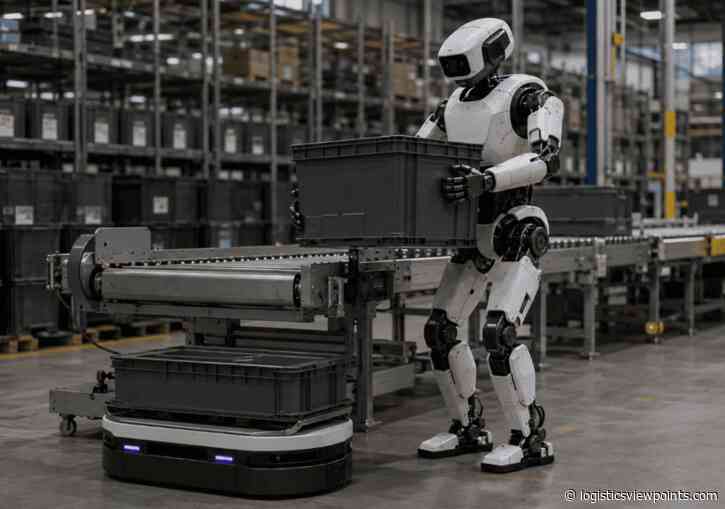 For more than a decade, humanoid robots have represented one of the most visible ambitions of the robotics industry. Videos of robots walking, climbing stairs, lifting boxes, and navigating human environments have generated excitement, but also skepticism. While the technology has been impressive, logistics executives have been left asking a simple question: Can humanoid robots create measurable business value? That question is becoming increasingly relevant as deployments move beyond research l
-
The Evidence Test for Decision Intelligence: Beyond Analytics, Workflow, and Embedded AI
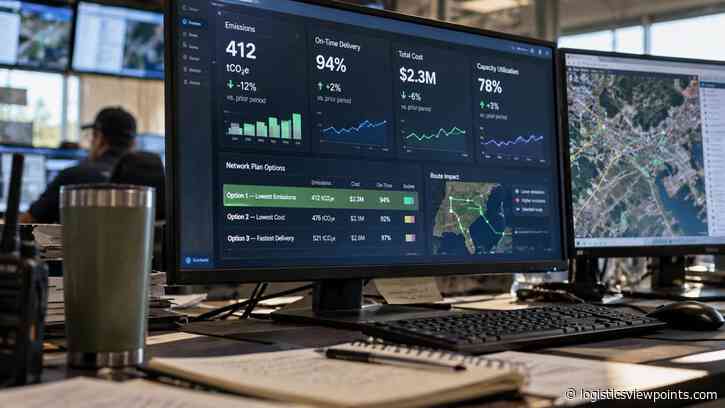 The central qualification test for Decision Intelligence is evidence that a product materially improves a consequential decision. The market is crowded with analytics, workflow, copilots, dashboards, optimization, and embedded AI, so category membership requires more than the presence of an intelligent feature.
Ask the provider to name the decision class, not the feature. What choice becomes better, faster, more coordinated, or more consistent? Who makes it today, how often, and what happens if
-
LED Traffic Stoplight Market to Reach USD 3.5 Billion by 2033 at a 6.8% CAGR - SRI
The LED Traffic Stoplight market is projected to reach USD 3.5 billion by 2033, growing at a CAGR of 6.8% from 2025 to 2033, according to Strategic Revenue Insights.
-
Tesla’s Flying Roadster Is Impressive. But What Does It Really Mean for Logistics?
 Tesla’s latest Roadster demonstration was certainly impressive. On October 15, at a SpaceX facility in Texas, the company demonstrated a redesigned sports car capable of accelerating from zero to 60 mph in under a second, maneuvering briefly in the air using compressed-gas thrusters, and driving upside down with a specialized suction system. It was an extraordinary engineering demonstration, but does it mean we’re getting closer to flying delivery vehicles?Perhaps, although not neces
-
Open Logistics API Takes Aim at Dock Scheduling
 Consider a familiar hypothetical dock scenario: the truck has arrived, the freight is ready, and the dock is available. Yet the driver is still waiting. Anyone who has spent time examining distribution operations knows how often the problem is not physical capacity but coordination. The carrier, warehouse, shipper, and appointment platform each have part of the information. Getting those systems to agree is another matter.
That familiar disconnect is the target of a new initiative from the Open
-
Carbon Is Becoming a Constraint in Transportation Planning, Not Just a Reporting Metric
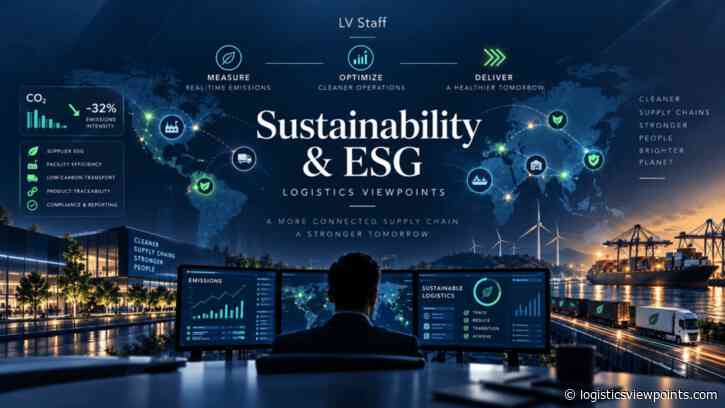 Executive thesis. Transportation carbon is moving upstream from disclosure into planning. Once emissions can be estimated with sufficient consistency, carbon becomes another constraint to evaluate alongside cost, service, capacity, and risk.
Transportation carbon is moving upstream
Historically, transportation emissions were often calculated after execution for reporting purposes. That is changing as organizations gain better shipment-level data and as sustainability objectives become more close
-
From Detection to Resolution: The Anatomy of a Supply Chain Exception
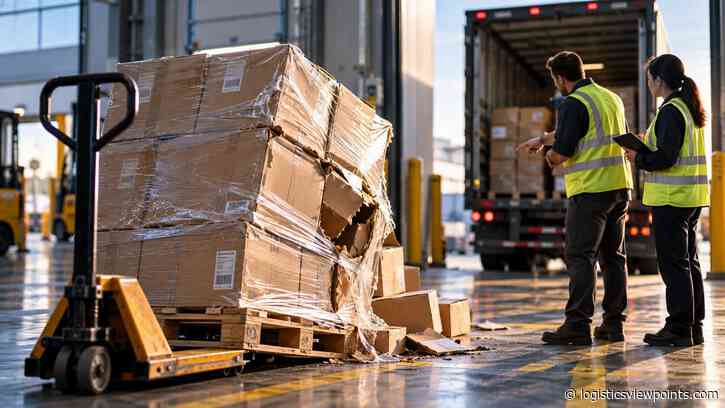 A mature supply-chain exception should be managed as a closed operating loop rather than as a dashboard workflow. The capability must detect a meaningful change, assemble context, assess consequence, determine the appropriate response, execute or escalate within guardrails, and verify whether the intervention worked.
The first stage is observation: an ETA changes, a tender is rejected, inventory becomes unavailable, a facility constraint emerges, or an external risk event alters the plan. Detect
-
Scope 3 Is Not Primarily a Reporting Problem. It Is a Supply Chain Data Problem
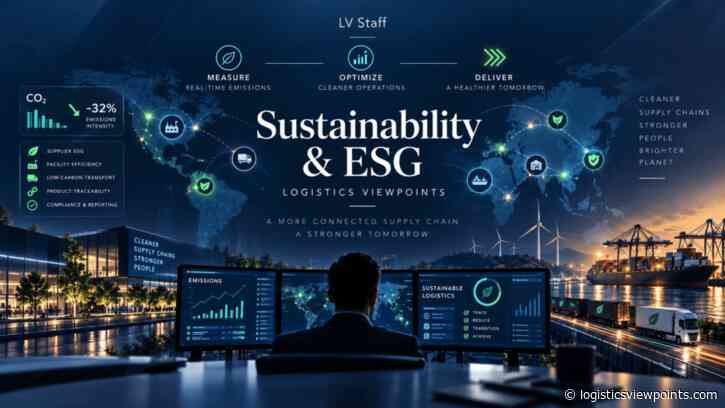 Executive thesis. Scope 3 is fundamentally a supply-chain data architecture problem. Credibility depends on boundaries, activity data, factor governance, allocation, lineage, and explicit uncertainty—not on a more polished reporting layer.
The hardest part is evidence
Scope 3 reporting is often described as a carbon-accounting challenge, but much of the difficulty is more fundamental: obtaining reliable activity data across suppliers, carriers, products, facilities, and other parts of the
-
Supply Chain Sustainability Software Is Moving From Disclosure to Operational Decision-Making
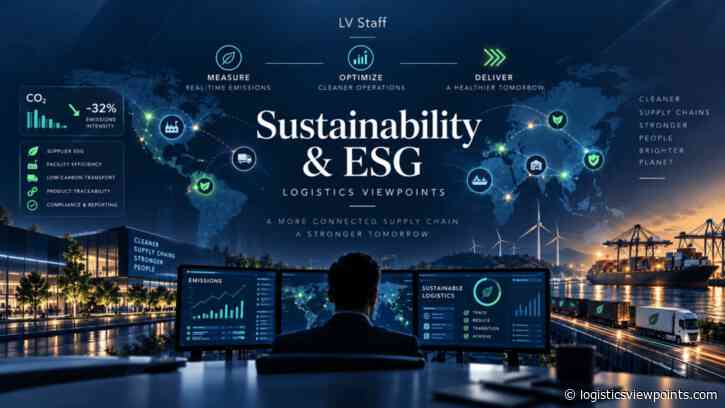 Executive thesis. Sustainability technology is moving from disclosure infrastructure toward operational decision support. Carbon and ESG data become strategically relevant only when they change sourcing, transportation, facility, product, or supplier decisions.
Reporting is no longer enough
Supply chain sustainability technology developed largely around measurement and disclosure: calculate emissions, collect supplier information, produce reports, and demonstrate compliance. Those functions rema
Follow @UK_Logistics on Twitter!