


Infios represents an important trend in supply chain execution software: the gradual movement away from treating warehouse and transportation applications as isolated systems. The company’s heritage includes deep warehouse-management functionality, while its broader portfolio increasingly spans transportation, order execution, automation, and intelligent operational workflows.
On the warehouse side, Infios combines mature functional depth with modern cloud architecture, extensive configura
✗ Close categories
 Addiction
Apple
Arts
Asia News
British Airways
Business
Cars
Celebrity
Christianity
Cinema, Theater & TV
Conspiracy Theories
Coronavirus
Ebola
Economy
Education
Electronics
Entertainment
Environment
Fashion
Finance
Food
Funny videos
Gadgets
Games
General News
Health
International Crime
Jobs
Lifestyle
Military
Mindfulness
Movies
Music
News videos
NewsPhoto
Nightlife
Obituaries
Olympics
Organized Crime
Politics
Psychology
Recipes
Royal Family
Sci-Tech
Science
Social media
Sport
Technology
Television
Thames Deckway
Traffic
Travel
Trending UK
UK News
UnitedHealth Group Inc.
Weather
World News
✗ Close categories
Addiction Apple Arts Asia News British Airways Business Cars Celebrity Christianity Cinema, Theater & TV Conspiracy Theories Coronavirus Ebola Economy Education Electronics Entertainment Environment Fashion Finance Food Funny videos Gadgets Games General News Health International Crime Jobs Lifestyle Military Mindfulness Movies Music News videos NewsPhoto Nightlife Obituaries Olympics Organized Crime Politics Psychology Recipes Royal Family Sci-Tech Science Social media Sport Technology Television Thames Deckway Traffic Travel Trending UK UK News UnitedHealth Group Inc. Weather World News✗ Close categories
✗ Close categories
Arsenal
Aston Villa
Athletics
Badminton
Baseball
Basketball
Blackburn Rovers
Blackpool
Boxing
Burnley
Cardiff City
Champions League
Chelsea
Cricket
Crystal Palace
Cycling
Darts
Everton
Formula 1
Formula 1 - Force India Videos
Formula 1 - Infiniti Red Bull Racing Videos
Formula 1 - Live Stream & News
Formula 1 - McLaren Videos
Formula 1 - Mercedes AMG Petronas Videos
Formula 1 - Sauber F1 Team Videos
Formula 1 - Scuderia Ferrari Videos
Formula 1 - Scuderia Toro Rosso Videos
Formula 1 - Team Lotus Videos
Formula 1 - Williams Martini videos
Fulham
Golf
Hockey
Horse Racing
Hull City
Ice Hockey
Leicester City
Liverpool
Manchester City
Manchester United
Middlesbrough
Motorsport
Norwich City
Philadelphia Phillies
Premier League
Queens Park Rangers
Rally
Reading
Rowing
Rugby
scarlets rugby
Soccer
Southampton
Stoke City
Sunderland
Swansea City
Swimming
Tennis
Tottenham
Tour de France
Volleyball
WC soccer 2014
Welsh Rugby Union
West Ham
Wigan Athletic
Wolverhampton Wanderers
✗ Close categories
Arsenal Aston Villa Athletics Badminton Baseball Basketball Blackburn Rovers Blackpool Boxing Burnley Cardiff City Champions League Chelsea Cricket Crystal Palace Cycling Darts Everton Formula 1 Formula 1 - Force India Videos Formula 1 - Infiniti Red Bull Racing Videos Formula 1 - Live Stream & News Formula 1 - McLaren Videos Formula 1 - Mercedes AMG Petronas Videos Formula 1 - Sauber F1 Team Videos Formula 1 - Scuderia Ferrari Videos Formula 1 - Scuderia Toro Rosso Videos Formula 1 - Team Lotus Videos Formula 1 - Williams Martini videos Fulham Golf Hockey Horse Racing Hull City Ice Hockey Leicester City Liverpool Manchester City Manchester United Middlesbrough Motorsport Norwich City Philadelphia Phillies Premier League Queens Park Rangers Rally Reading Rowing Rugby scarlets rugby Soccer Southampton Stoke City Sunderland Swansea City Swimming Tennis Tottenham Tour de France Volleyball WC soccer 2014 Welsh Rugby Union West Ham Wigan Athletic Wolverhampton Wanderers✗ Close categories
✗ Close categories
...test
Aberdeen City
Aberdeenshire
Antrim
Aylesbury Vale
Barking and Dagenham
Barnet
Barnsley
Basildon
Bath and North East Somerset
Belfast
Bexley
Birmingham
Blackburn with Darwen
Bolton
Bournemouth
Bradford
Brent
Brighton and Hove
Bristol
Bromley
Bury
Calderdale
Cambridge
Camden
Cardiff
Central Bedfordshire
Cheshire East
Cheshire West and Chester
Cornwall
County Durham
Coventry
Croydon
Derby
Doncaster
Dudley
Ealing
East Riding of Yorkshire
Edinburgh
Enfield
Essex
Gateshead
Glasgow
Greater London
Greenwich
Hackney
Hammersmith and Fulham
Haringey
Harrow
Havering
Herefordshire
Hillingdon
Hounslow
Hull
Islington
Kirklees
Lambeth
Leeds
Leicester
Lewisham
Liverpool
London
Luton
Manchester
Medway
Merton
Milton Keynes
New Forest
Newcastle
Newcastle upon Tyne
Newham
North Somerset
North Tyneside
North West
Northampton
Northern Ireland
Northumberland
Nottingham
Oldham
Oxford
Peterborough
Plymouth
Portsmouth
Redbridge
Richmond upon Thames
Rochdale
Rotherham
Salford
Sandwell
Scotland
Sefton
Sheffield
Shropshire
Solihull
South East
South Gloucestershire
South West
Southampton
Southend-on-Sea
Southwark
St Helens
Stockport
Stockton-on-Tees
Stoke-on-Trent
Sunderland
Sutton
Swindon
Tameside
Tower Hamlets
Trafford
Wakefield
Wales
Walsall
Waltham Forest
Wandsworth
Warrington
West Midlands
Westminster
Wigan
Wiltshire
Wirral
Wolverhampton
York
✗ Close categories
...test Aberdeen City Aberdeenshire Antrim Aylesbury Vale Barking and Dagenham Barnet Barnsley Basildon Bath and North East Somerset Belfast Bexley Birmingham Blackburn with Darwen Bolton Bournemouth Bradford Brent Brighton and Hove Bristol Bromley Bury Calderdale Cambridge Camden Cardiff Central Bedfordshire Cheshire East Cheshire West and Chester Cornwall County Durham Coventry Croydon Derby Doncaster Dudley Ealing East Riding of Yorkshire Edinburgh Enfield Essex Gateshead Glasgow Greater London Greenwich Hackney Hammersmith and Fulham Haringey Harrow Havering Herefordshire Hillingdon Hounslow Hull Islington Kirklees Lambeth Leeds Leicester Lewisham Liverpool London Luton Manchester Medway Merton Milton Keynes New Forest Newcastle Newcastle upon Tyne Newham North Somerset North Tyneside North West Northampton Northern Ireland Northumberland Nottingham Oldham Oxford Peterborough Plymouth Portsmouth Redbridge Richmond upon Thames Rochdale Rotherham Salford Sandwell Scotland Sefton Sheffield Shropshire Solihull South East South Gloucestershire South West Southampton Southend-on-Sea Southwark St Helens Stockport Stockton-on-Tees Stoke-on-Trent Sunderland Sutton Swindon Tameside Tower Hamlets Trafford Wakefield Wales Walsall Waltham Forest Wandsworth Warrington West Midlands Westminster Wigan Wiltshire Wirral Wolverhampton York✗ Close categories
✗ Close categories
Harry Styles
Aaron Taylor-Johnson
Adele
Ashley Cole
Benedict Cumberbatch
Billie Piper
Boris Johnson
Charlie Hunnam
Cliff Richard
David Beckham
DJ 3lau
DJ Above & Beyond
DJ Afrojack
DJ Alesso
DJ Aly & Fila
DJ Andrew Rayel
DJ Angerfist
DJ Armin Van Buuren
DJ Arty
DJ ATB
DJ Audien
DJ Avicii
DJ Axwell
DJ Bingo Players
DJ Bl3ND
DJ Blasterjaxx
DJ Borgeous
DJ Borgore
DJ Boy George
DJ Brennan Heart
DJ Calvin Harris
DJ Carl Cox
DJ Carnage
DJ Code Black
DJ Coone
DJ Cosmic Gate
DJ Da Tweekaz
DJ Dada Life
DJ Daft Punk
DJ Dannic
DJ Dash Berlin
DJ David Guetta
DJ Deadmau5
DJ Deorro
DJ Diego Miranda
DJ Dillon Francis
DJ Dimitri Vegas & Like Mike
DJ Diplo
DJ Don Diablo
DJ DVBBS
DJ Dyro
DJ Eric Prydz
DJ Fedde Le Grand
DJ Felguk
DJ Ferry Corsten
DJ Firebeatz
DJ Frontliner
DJ Gabry Ponte
DJ Gareth Emery
DJ Hardwell
DJ Headhunterz
DJ Heatbeat
DJ Infected Mushroom
DJ John O'Callaghan
DJ Kaskade
DJ Knife Party
DJ Krewella
DJ Kura
DJ Laidback Luke
DJ Madeon
DJ MAKJ
DJ Markus Schulz
DJ Martin Garrix
DJ Merk & Kremont
DJ Mike Candys
DJ Nervo
DJ Nicky Romero
DJ Noisecontrollers
DJ Oliver Heldens
DJ Orjan Nilsen
DJ Paul Van Dyk
DJ Porter Robinson
DJ Quentin Mosimann
DJ Quintino
DJ R3hab
DJ Radical Redemption
DJ Richie Hawtin
DJ Sander Van Doorn
DJ Sebastian Ingrosso
DJ Showtek
DJ Skrillex
DJ Snake
DJ Steve Angello
DJ Steve Aoki
DJ Tenishia
DJ The Chainsmokers
DJ Tiddey
DJ Tiesto
DJ TJR
DJ Umek
DJ Ummet Ozcan
DJ Vicetone
DJ VINAI
DJ W&W
DJ Wildstylez
DJ Wolfpack
DJ Yves V
DJ Zatox
DJ Zedd
DJ Zomboy
Emilia Clarke
Emily Blunt
Gabriella Wilde
Gary Lineker
Gemma Arterton
Gwendoline Christie
Hayley Atwell
Helena Bonham Carter
Imogen Poots
Jason Statham
John Terry
Juno Temple
Kate Beckinsale
Kate Winslet
Keira Knightley
Liam Payne
Lily Collins
Louis Tomlinson
Niall Horan
Nicholas Hoult
Paul McCartney
Prince William
Ralph Fiennes
Richard Branson
Robbie Williams
Robert Pattinson
Rosamund Pike
Sophie Turner
Theo James
Tom Hardy
Tom Hiddleston
Tony Blair
Tyree Cooper
Wayne Rooney
Zayn Malik
✗ Close categories
Harry Styles Aaron Taylor-Johnson Adele Ashley Cole Benedict Cumberbatch Billie Piper Boris Johnson Charlie Hunnam Cliff Richard David Beckham DJ 3lau DJ Above & Beyond DJ Afrojack DJ Alesso DJ Aly & Fila DJ Andrew Rayel DJ Angerfist DJ Armin Van Buuren DJ Arty DJ ATB DJ Audien DJ Avicii DJ Axwell DJ Bingo Players DJ Bl3ND DJ Blasterjaxx DJ Borgeous DJ Borgore DJ Boy George DJ Brennan Heart DJ Calvin Harris DJ Carl Cox DJ Carnage DJ Code Black DJ Coone DJ Cosmic Gate DJ Da Tweekaz DJ Dada Life DJ Daft Punk DJ Dannic DJ Dash Berlin DJ David Guetta DJ Deadmau5 DJ Deorro DJ Diego Miranda DJ Dillon Francis DJ Dimitri Vegas & Like Mike DJ Diplo DJ Don Diablo DJ DVBBS DJ Dyro DJ Eric Prydz DJ Fedde Le Grand DJ Felguk DJ Ferry Corsten DJ Firebeatz DJ Frontliner DJ Gabry Ponte DJ Gareth Emery DJ Hardwell DJ Headhunterz DJ Heatbeat DJ Infected Mushroom DJ John O'Callaghan DJ Kaskade DJ Knife Party DJ Krewella DJ Kura DJ Laidback Luke DJ Madeon DJ MAKJ DJ Markus Schulz DJ Martin Garrix DJ Merk & Kremont DJ Mike Candys DJ Nervo DJ Nicky Romero DJ Noisecontrollers DJ Oliver Heldens DJ Orjan Nilsen DJ Paul Van Dyk DJ Porter Robinson DJ Quentin Mosimann DJ Quintino DJ R3hab DJ Radical Redemption DJ Richie Hawtin DJ Sander Van Doorn DJ Sebastian Ingrosso DJ Showtek DJ Skrillex DJ Snake DJ Steve Angello DJ Steve Aoki DJ Tenishia DJ The Chainsmokers DJ Tiddey DJ Tiesto DJ TJR DJ Umek DJ Ummet Ozcan DJ Vicetone DJ VINAI DJ W&W DJ Wildstylez DJ Wolfpack DJ Yves V DJ Zatox DJ Zedd DJ Zomboy Emilia Clarke Emily Blunt Gabriella Wilde Gary Lineker Gemma Arterton Gwendoline Christie Hayley Atwell Helena Bonham Carter Imogen Poots Jason Statham John Terry Juno Temple Kate Beckinsale Kate Winslet Keira Knightley Liam Payne Lily Collins Louis Tomlinson Niall Horan Nicholas Hoult Paul McCartney Prince William Ralph Fiennes Richard Branson Robbie Williams Robert Pattinson Rosamund Pike Sophie Turner Theo James Tom Hardy Tom Hiddleston Tony Blair Tyree Cooper Wayne Rooney Zayn Malik✗ Close categories
✗ Close categories
Accountancy
Administration
Advertising
Aerospace
Agriculture
Analyst
Animals
Antiques
Archaeology
Architecture
Arts
Astrology
Astronomy
Auto News
Automotive
Aviation
Bakery
Biotechnology
Brazil
Cabaret
Call Centre
Car News
Care
Catering
Charities
Chemistry
Child care
Cinema, Theater & TV
Cleaning Industry
Coaching
Construction
Customs
Dairy industry
Dance & ballet
Debt collection agencies
Defense
DJ
Economy
Education & Training
Electrical
Entrepreneur
Farming & Agriculture
Financial
Firefighter
Fisheries
Flowers
FMCG
Food
Fruit & Vegetables
Genealogy
General News
Government
Hair stylist
Hotel
HR & Recruitment
ICT
Insurance
IT Executive
Jobs
Justice
Landscaper
Lawyer
Legal
Library
Logistics
Marketing
Meat industry
Medical Industry
Mining
Nurse
Online Trends
Pharmaceutical Industry
Pharmacy
Physical therapy
Police
Political
PR Public relations
Production & Industry
Project Management
Psychology
Public Transport
Publisher
Real estate
Research & Development
Restaurant
Retail
Sales & Marketing
Security
SEO
Shipping
Social work
Sustainable Energy
Teacher
Telecom
Tourism
Traditional Energy
Transport
Travel Industry
Web Design
✗ Close categories
Accountancy Administration Advertising Aerospace Agriculture Analyst Animals Antiques Archaeology Architecture Arts Astrology Astronomy Auto News Automotive Aviation Bakery Biotechnology Brazil Cabaret Call Centre Car News Care Catering Charities Chemistry Child care Cinema, Theater & TV Cleaning Industry Coaching Construction Customs Dairy industry Dance & ballet Debt collection agencies Defense DJ Economy Education & Training Electrical Entrepreneur Farming & Agriculture Financial Firefighter Fisheries Flowers FMCG Food Fruit & Vegetables Genealogy General News Government Hair stylist Hotel HR & Recruitment ICT Insurance IT Executive Jobs Justice Landscaper Lawyer Legal Library Logistics Marketing Meat industry Medical Industry Mining Nurse Online Trends Pharmaceutical Industry Pharmacy Physical therapy Police Political PR Public relations Production & Industry Project Management Psychology Public Transport Publisher Real estate Research & Development Restaurant Retail Sales & Marketing Security SEO Shipping Social work Sustainable Energy Teacher Telecom Tourism Traditional Energy Transport Travel Industry Web Design✗ Close categories
-
Infios Brings a Broader Execution Model to Transportation and Warehousing



-
RFID Creates Value Only When Physical Reads Become Trusted Business Events
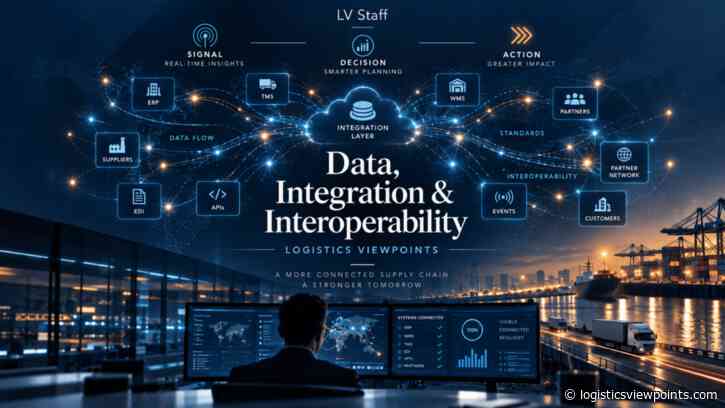 Executive thesis. RFID creates little enterprise value when it produces more raw reads. Value appears when physical observations become trusted business events that update operational state.
A read is not yet a business event
RFID can generate an enormous volume of observations, but a supply chain application does not need to know that a tag was seen repeatedly by an antenna. It needs to know that an item was received, inducted, located, counted, picked, shipped, or returned. The value of RFID t
-
C.H. Robinson’s $5.8 Billion RXO Acquisition: Scale, Density, and AI Reshape Freight Brokerage
 C.H. Robinson’s planned $5.8 billion acquisition of RXO is more than another consolidation move in the freight brokerage market. It represents a major bet that the next phase of competition in third-party logistics will be driven by the combination of network scale, transportation density, broader service capabilities, and increasingly automated operations.Announced October 5, the stock-and-cash transaction would create a combined company with an enterprise value of more than $25 billion.
-
EDI Is Not Dying—and APIs Were Never Going to Replace It
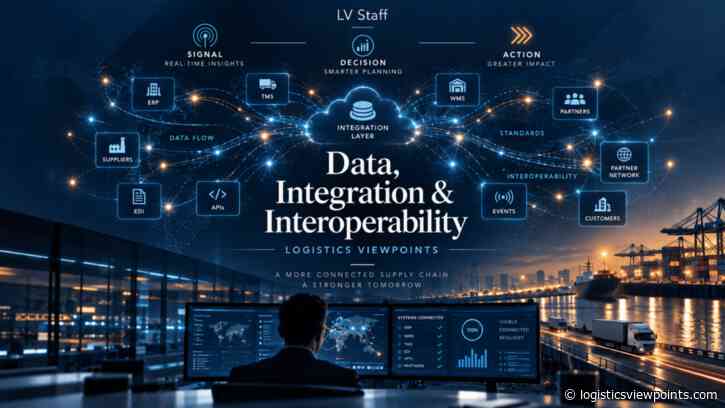 Executive thesis. The EDI-versus-API debate is based on a false replacement narrative. Different interaction patterns solve different operating problems, and mature supply chains will continue to use multiple mechanisms deliberately.
The replacement narrative is too simple
For years, supply chain technology discussions have framed APIs as the modern successor to EDI. That framing confuses age with fitness for purpose. EDI remains deeply embedded in high-volume B2B document exchange because it pr
-
Shared Automation and the Future of Warehousing
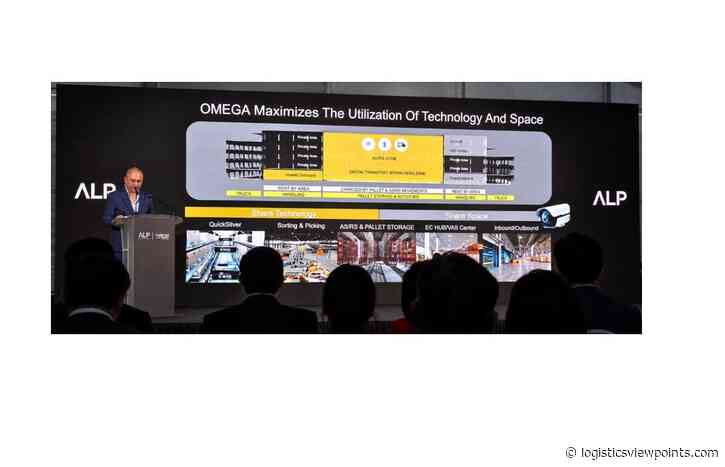 Shared Automation and the Future of WarehousingAt a LogiSYM conference a few years ago, I recalled a business owner once asked a practical question: would it make sense for him to invest in installing warehouse automation in premises he leased? Would the expected period of occupancy justify the investment in equipment and supporting infrastructure?The question highlighted how operating conditions can shape an automation decision. Potential productivity gains need to be weighed against upfront c
-
Build the Logistics Digital Thread: Data Architecture for Decisions
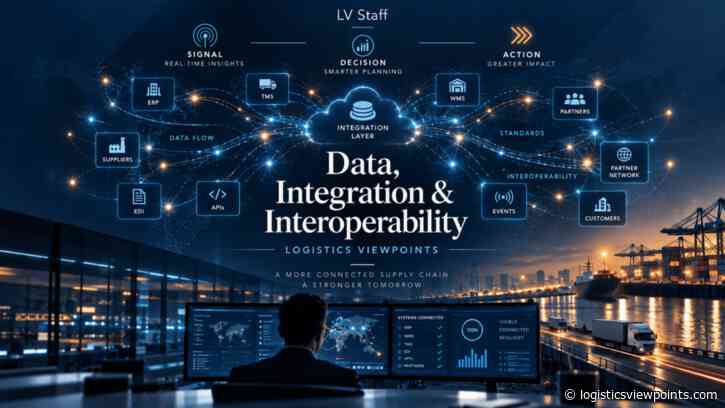 Logistics organizations have invested heavily in visibility and still spend too much time asking which number is right. That is a clue. The problem is often not the absence of data; it is the absence of a data architecture that preserves meaning as information crosses systems and companies.
The problem is often described as a visibility problem. Underneath it is usually a data-architecture problem. A logistics digital thread provides a useful way to think about the solution. A logistics control
-
Aptean Competes Through Industry-Focused Logistics Execution
 Not every logistics technology buyer needs the broadest global platform or the most aggressive AI roadmap. In many industries, the more important requirement is software that already understands the operational details that make the business difficult to run.
That is where Aptean’s strategy is relevant. Its warehouse management portfolio emphasizes configurable execution and industry-specific requirements across areas such as food and beverage, manufacturing, and distribution. Capabilities
-
Supply Chain Modernization Is Increasingly an Integration Program
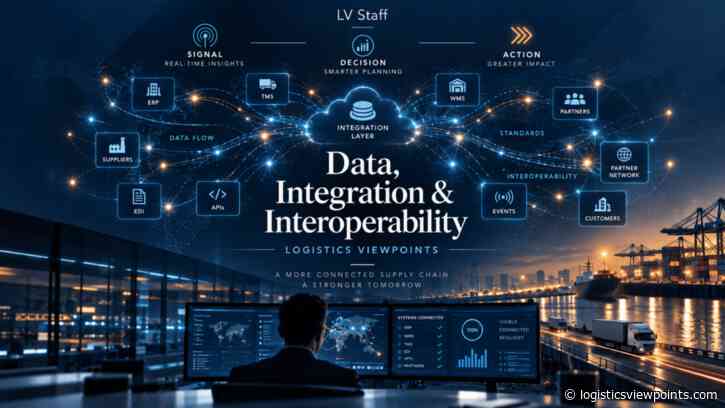 Executive thesis. Modernization is increasingly an integration program disguised as an application program. New software cannot create a modern operating model if identity, master data, interfaces, events, and observability remain brittle.
Modern applications still depend on old realities
Enterprises can deploy modern cloud applications and still operate through brittle point-to-point interfaces, inconsistent identifiers, batch files, manual reconciliation, and opaque failures. This is why many
-
In Complex B2B Markets, Visibility Is Earned Through Ideas
 The New Logistics Advantage — Part 8 of 9
Complex B2B technology markets do not behave like consumer markets. Buyers are fewer, decisions are larger, sales cycles are longer, technical risk is higher, and most purchases involve multiple stakeholders with different definitions of value.
That changes the role of market visibility. In a simple market, repeated exposure can be enough to keep a brand in consideration. In a complex market, visibility creates more value when it helps buyers under
-
Choosing a TMS: What Logistics Leaders Should Evaluate Beyond Features
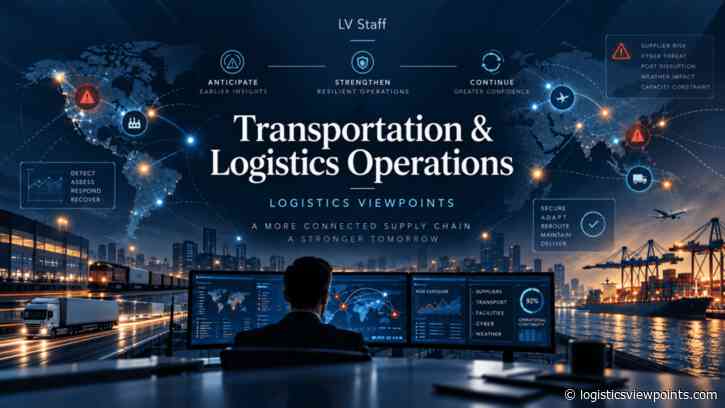 A TMS evaluation should begin with the operating problem, not the product demo. In a crowded market, feature lists create an illusion of comparability; the better question is which platform best fits the decisions, constraints, interfaces, and outcomes of the buyer’s actual transportation operation.
The core job is the freight-centric planning and execution system used to translate orders and demand into feasible transportation plans, carrier decisions, tenders, shipment execution, visibil
-
Before the Vendor Shortlist: How to Structure the Decision Intelligence Market
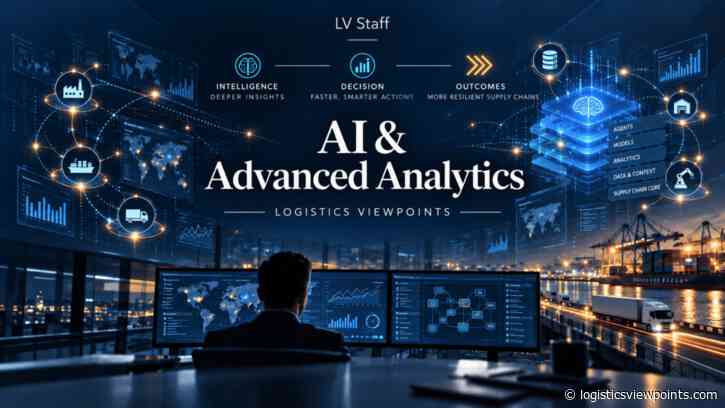 A Decision Intelligence shortlist should not begin with vendor demos. Providers are arriving from planning, optimization, visibility, risk, networks, enterprise suites, orchestration, and AI-native architectures, and without a category framework a shortlist can become a collection of impressive but fundamentally different products.
Inventory the decisions that are slow, fragmented, poorly contextualized, or overly dependent on manual coordination. For each one, document frequency, consequence, t
-
Transportation Leaders See AI Moving From Experiment to Operating Model at the Descartes Innovation Forum
 For the past few years, transportation executives have had to manage through one disruption after another: excess capacity, collapsing rates, driver shortages, rising fuel costs, fraud, cargo theft, shifting regulations, and increasingly demanding customers.What struck me during the transportation management discussion I moderated at the Descartes Innovation Forum was how quickly another issue has moved to the center of the conversation: technology, and particularly AI, is becoming part of the o
-
Descartes Takes Agentic AI Into the Logistics Workflow at the Descartes Innovation Forum
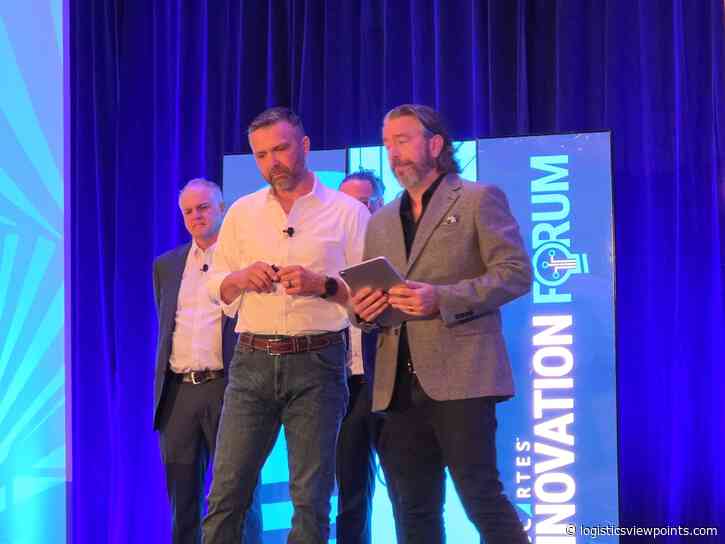 The AI discussion in logistics is quickly moving beyond copilots, chatbots, and better search. At the Descartes Innovation Forum today, Descartes demonstrated something considerably more interesting: agents working across multiple logistics applications and organizations to execute parts of a representative end-to-end supply chain process.That distinction matters.Descartes described one of the persistent problems in logistics as the “swivel chair tax.” A shipment may move physically
-
project44 Pushes Real-Time Logistics Data Toward Execution
 Real-time logistics data has become a foundational capability for global supply chains, but data alone does not resolve a disruption. The operational value emerges when visibility is connected to prediction, prioritization, and the workflows required to change an outcome.
project44’s Movement platform is moving in that direction. The company combines a large multimodal transportation data network with predictive ETAs, analytics, alerts, and increasingly autonomous workflows. Its role is pr
-
Agentic AI Is Moving From Supply Chain Experimentation Into Operational Work
 Executive thesis. Agentic AI becomes consequential when software can take action, not merely generate an answer. That makes authority, permissions, observability, and recovery the defining architectural questions.
The important word is agency
An AI assistant can summarize, recommend, and answer questions without changing the state of the business. An agent is more consequential because it can pursue a goal through a sequence of actions—gathering context, calling tools, evaluating results,
-
Market Intelligence Is Becoming an Operating Capability
 The New Logistics Advantage — Part 7 of 9
Market intelligence has traditionally been treated as episodic. A company purchases a report during annual planning, commissions a study before entering a market, runs a customer survey when positioning needs to change, or calls an analyst when a major decision creates uncertainty.
That model works when markets move slowly and category boundaries are stable. It is less effective when AI compresses product cycles, adjacent software markets converge,
-
Railway Equipment Market to Reach USD 250 Billion by 2033 at a 4.5% CAGR - SRI
The Railway Equipment market is projected to reach USD 250 billion by 2033, growing at a CAGR of 4.5% from 2025 to 2033, according to Strategic Revenue Insights.
-
The New Economics of Logistics Visibility
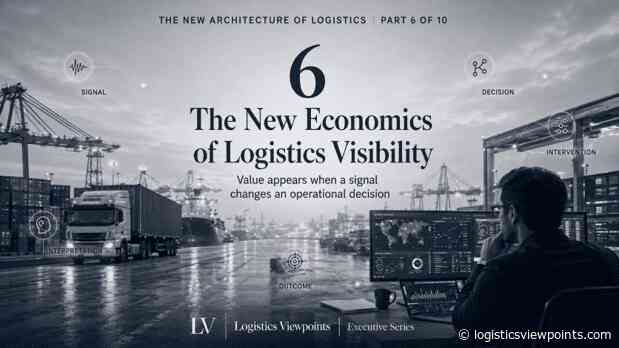 Knowing that a shipment will arrive six hours late is information. Knowing it early enough to reschedule labor, protect a customer commitment, avoid detention, or change an inventory decision is economic value.
That distinction is becoming central to the logistics visibility market. The earlier argument that exceptions are becoming the real unit of work explains why visibility economics depend less on event volume than on whether the organization can convert important events into timely resoluti
-
o9 Solutions Uses a Knowledge Graph to Connect Supply Chain Decisions
 Supply chain decision-making is difficult partly because the relevant information is distributed across products, locations, suppliers, orders, capacities, policies, and external events. A system may have access to all of those records and still struggle to understand the relationships among them quickly enough to support a consequential decision.
o9 Solutions addresses that problem through its Digital Brain architecture, including an enterprise knowledge graph and in-memory modeling designed to
-
AI Will Not Transform the Supply Chain Until the Architecture Around It Catches Up
 Executive thesis. The model is becoming the least durable layer of the AI stack. Sustainable advantage will come from the operating architecture around AI: authoritative context, governed tools, permissions, observability, and connection to enterprise workflows.
The model is only one component
Supply chain AI discussions often begin with model capability: prediction accuracy, reasoning quality, computer vision performance, or the fluency of a generative system. Those capabilities matter, but ope
-
Descartes Innovation Forum Puts Logistics Technology Into Practice
 The Descartes Innovation Forum returns to Chicago this week at a time when logistics technology is moving rapidly from broad discussion of artificial intelligence and automation toward practical applications inside everyday operations.The October 6–8 event brings together Descartes customers, partners, logistics professionals, and product teams. Descartes positions the forum around customer experiences, best practices, technology education, prDescartes Innovation Forum Puts Logistics Techn
-
Trade Compliance Can No Longer Operate as a Back-Office Function
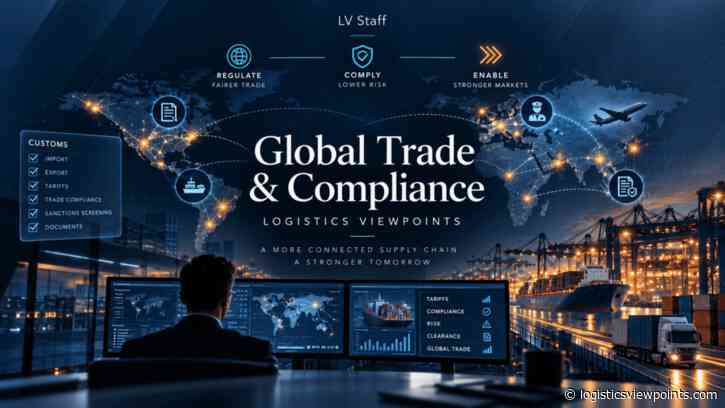 Executive thesis. Trade compliance is no longer a back-office checkpoint. It is an operating constraint that can approve, block, reroute, delay, or reprice physical supply-chain activity.
Compliance decisions are supply chain decisions
Restricted-party screening, classification, export controls, licensing, origin, and sanctions may be governed by compliance teams, but their effects reach far beyond that function. They can determine whether a supplier can be used, whether a product can move, how
-
Infor Builds More Intelligence Into Logistics Execution
 Warehouse and transportation systems have traditionally been judged on execution reliability: receive the inventory, build the wave, pick the order, plan the shipment, tender the load, and record the transaction correctly. Those requirements have not disappeared, but the competitive frontier is moving toward systems that can interpret operating conditions and help improve the work while it is happening.
Infor’s logistics portfolio reflects that shift. Infor WMS combines core warehouse exec
-
Global Trade Management Is Becoming a Real-Time Supply Chain Control System
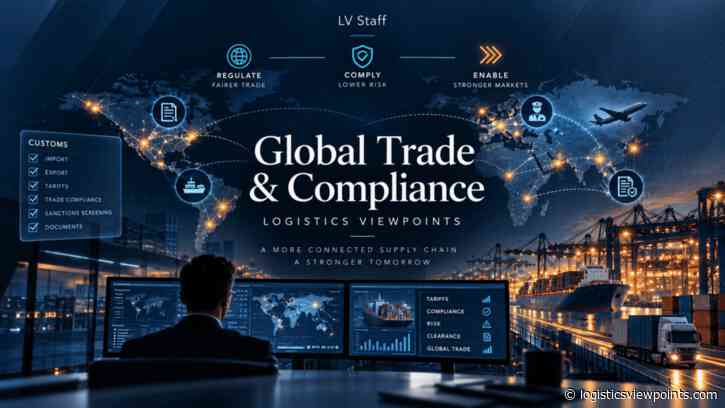 Executive thesis. Global trade management is moving from compliance transaction processing toward real-time supply chain control. Trade rules now alter sourcing, routing, inventory, landed cost, and customer commitments before goods move.
Trade decisions now change network economics
Global trade management was once treated primarily as a compliance and documentation layer around cross-border transactions. That view is incomplete. Classification, origin, duties, sanctions, export controls, custom
-
Supply Chain Technology Markets Are Converging Faster Than Vendor Categories
 The New Logistics Advantage — Part 6 of 9
Supply chain technology markets are usually described as categories. WMS, TMS, planning, visibility, control towers, order management, warehouse automation, decision intelligence, and other segments each have established buyers, competitors, and functional boundaries.
Those categories remain commercially useful. But strategically, the boundaries are moving faster than the labels. Providers are expanding into adjacent workflows, intelligence, orches
-
Kinaxis Extends Concurrent Planning Toward Continuous Response
 Kinaxis built its reputation around concurrent planning: the idea that demand, supply, inventory, capacity, and other planning decisions should be evaluated together rather than through a series of disconnected batch processes. That architecture is becoming more relevant as supply chains move toward continuous response.
The company’s Maestro platform emphasizes rapid scenario analysis, constraint-aware planning, and the ability for multiple users to understand the downstream effects of a c
-
Webinar: Five MarketMaps. One Emerging Supply Chain Technology Architecture
 Article 1 of 4 — Convergence
Supply chain technology buyers still purchase software in categories. The supply chain itself stopped operating that way.
For years, the boundaries were understandable. A Warehouse Management System ran the warehouse. A Transportation Management System planned and executed freight. Supply Chain Planning balanced demand, supply, inventory, capacity, and production. Visibility, analytics, and exception management sat around those core applications. When reality d
-
WMS, WES, and WCS Are Converging—But Decision Ownership Still Has to Be Explicit
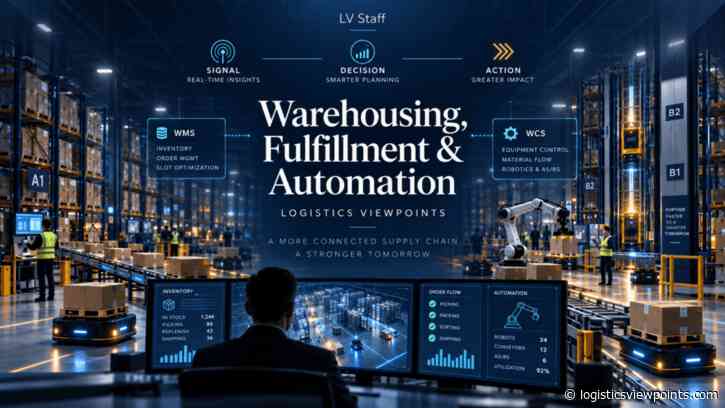 Executive thesis. WMS, WES, and WCS are converging in vendor language, but operational accountability cannot converge into ambiguity. Every automated facility still needs explicit ownership of inventory state, work release, priorities, and machine control.
Category boundaries are getting less reliable
Warehouse software categories overlap in vendor descriptions. WMS platforms add orchestration, WES products add inventory-aware logic, WCS platforms broaden their coordination role, and robotics ve
-
Harness Engineering in Logistics: Building the Self-Operating Logistics System
 Harness Engineering in Logistics — Part 6 of 6
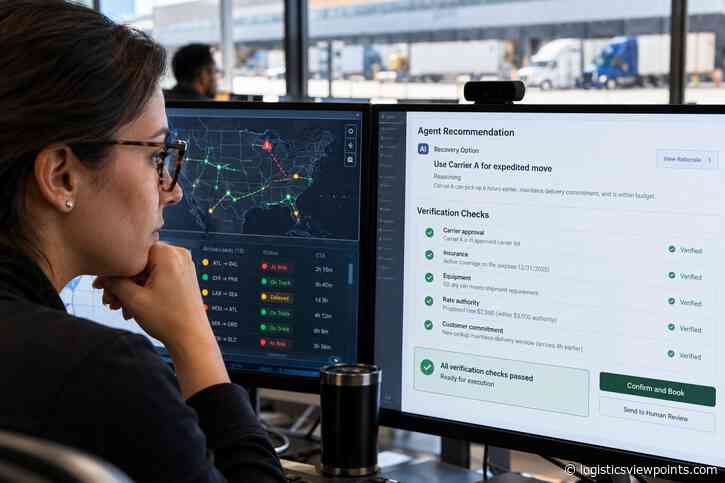
The long-term destination of logistics AI is not the chatbot, and it is probably not the individual AI agent. The more consequential development is an operating architecture in which specialized machine intelligence can perceive events, assemble context, reason across dependencies, coordinate with other systems, execute permitted actions, verify outcomes, and escalate only the decisions that exceed its authority.
That is what a self-operating
-
Descartes Innovation Forum: Transportation Management Is Moving From Execution to Intelligent Orchestration
 Transportation management is no longer just about routing, tendering, carrier selection, and freight optimization. Those capabilities still matter, but the category is being pulled into a broader operating model shaped by artificial intelligence, real-time visibility, automation, and the growing need to connect transportation decisions to inventory, warehouse operations, customer service, and financial outcomes.That transition will be at the center of a transportation management executive panel
Follow @UK_Logistics on Twitter!