


Tuesday, November 17, 2026In an effort to reach an elusive continuity of the self, some far-thinking technologists are working on ways to keep your brain going—even beyond death. Join science editor Mary Beth Griggs and senior editor for biomedicine Antonio Regalado for a conversation exploring possible paths to keep your mind going, including gradual brain replacement and uploading our memories to the cloud.Going live at 17:00 GMT / 12pm EST / 9am PST
Register Now
Related Story:
Six wild idea
✗ Close categories
 Addiction
Apple
Arts
Asia News
British Airways
Business
Cars
Celebrity
Christianity
Cinema, Theater & TV
Conspiracy Theories
Coronavirus
Ebola
Economy
Education
Electronics
Entertainment
Environment
Fashion
Finance
Food
Funny videos
Gadgets
Games
General News
Health
International Crime
Jobs
Lifestyle
Military
Mindfulness
Movies
Music
News videos
NewsPhoto
Nightlife
Obituaries
Olympics
Organized Crime
Politics
Psychology
Recipes
Royal Family
Sci-Tech
Science
Social media
Sport
Technology
Television
Thames Deckway
Traffic
Travel
Trending UK
UK News
UnitedHealth Group Inc.
Weather
World News
✗ Close categories
Addiction Apple Arts Asia News British Airways Business Cars Celebrity Christianity Cinema, Theater & TV Conspiracy Theories Coronavirus Ebola Economy Education Electronics Entertainment Environment Fashion Finance Food Funny videos Gadgets Games General News Health International Crime Jobs Lifestyle Military Mindfulness Movies Music News videos NewsPhoto Nightlife Obituaries Olympics Organized Crime Politics Psychology Recipes Royal Family Sci-Tech Science Social media Sport Technology Television Thames Deckway Traffic Travel Trending UK UK News UnitedHealth Group Inc. Weather World News✗ Close categories
✗ Close categories
Arsenal
Aston Villa
Athletics
Badminton
Baseball
Basketball
Blackburn Rovers
Blackpool
Boxing
Burnley
Cardiff City
Champions League
Chelsea
Cricket
Crystal Palace
Cycling
Darts
Everton
Formula 1
Formula 1 - Force India Videos
Formula 1 - Infiniti Red Bull Racing Videos
Formula 1 - Live Stream & News
Formula 1 - McLaren Videos
Formula 1 - Mercedes AMG Petronas Videos
Formula 1 - Sauber F1 Team Videos
Formula 1 - Scuderia Ferrari Videos
Formula 1 - Scuderia Toro Rosso Videos
Formula 1 - Team Lotus Videos
Formula 1 - Williams Martini videos
Fulham
Golf
Hockey
Horse Racing
Hull City
Ice Hockey
Leicester City
Liverpool
Manchester City
Manchester United
Middlesbrough
Motorsport
Norwich City
Philadelphia Phillies
Premier League
Queens Park Rangers
Rally
Reading
Rowing
Rugby
scarlets rugby
Soccer
Southampton
Stoke City
Sunderland
Swansea City
Swimming
Tennis
Tottenham
Tour de France
Volleyball
WC soccer 2014
Welsh Rugby Union
West Ham
Wigan Athletic
Wolverhampton Wanderers
✗ Close categories
Arsenal Aston Villa Athletics Badminton Baseball Basketball Blackburn Rovers Blackpool Boxing Burnley Cardiff City Champions League Chelsea Cricket Crystal Palace Cycling Darts Everton Formula 1 Formula 1 - Force India Videos Formula 1 - Infiniti Red Bull Racing Videos Formula 1 - Live Stream & News Formula 1 - McLaren Videos Formula 1 - Mercedes AMG Petronas Videos Formula 1 - Sauber F1 Team Videos Formula 1 - Scuderia Ferrari Videos Formula 1 - Scuderia Toro Rosso Videos Formula 1 - Team Lotus Videos Formula 1 - Williams Martini videos Fulham Golf Hockey Horse Racing Hull City Ice Hockey Leicester City Liverpool Manchester City Manchester United Middlesbrough Motorsport Norwich City Philadelphia Phillies Premier League Queens Park Rangers Rally Reading Rowing Rugby scarlets rugby Soccer Southampton Stoke City Sunderland Swansea City Swimming Tennis Tottenham Tour de France Volleyball WC soccer 2014 Welsh Rugby Union West Ham Wigan Athletic Wolverhampton Wanderers✗ Close categories
✗ Close categories
...test
Aberdeen City
Aberdeenshire
Antrim
Aylesbury Vale
Barking and Dagenham
Barnet
Barnsley
Basildon
Bath and North East Somerset
Belfast
Bexley
Birmingham
Blackburn with Darwen
Bolton
Bournemouth
Bradford
Brent
Brighton and Hove
Bristol
Bromley
Bury
Calderdale
Cambridge
Camden
Cardiff
Central Bedfordshire
Cheshire East
Cheshire West and Chester
Cornwall
County Durham
Coventry
Croydon
Derby
Doncaster
Dudley
Ealing
East Riding of Yorkshire
Edinburgh
Enfield
Essex
Gateshead
Glasgow
Greater London
Greenwich
Hackney
Hammersmith and Fulham
Haringey
Harrow
Havering
Herefordshire
Hillingdon
Hounslow
Hull
Islington
Kirklees
Lambeth
Leeds
Leicester
Lewisham
Liverpool
London
Luton
Manchester
Medway
Merton
Milton Keynes
New Forest
Newcastle
Newcastle upon Tyne
Newham
North Somerset
North Tyneside
North West
Northampton
Northern Ireland
Northumberland
Nottingham
Oldham
Oxford
Peterborough
Plymouth
Portsmouth
Redbridge
Richmond upon Thames
Rochdale
Rotherham
Salford
Sandwell
Scotland
Sefton
Sheffield
Shropshire
Solihull
South East
South Gloucestershire
South West
Southampton
Southend-on-Sea
Southwark
St Helens
Stockport
Stockton-on-Tees
Stoke-on-Trent
Sunderland
Sutton
Swindon
Tameside
Tower Hamlets
Trafford
Wakefield
Wales
Walsall
Waltham Forest
Wandsworth
Warrington
West Midlands
Westminster
Wigan
Wiltshire
Wirral
Wolverhampton
York
✗ Close categories
...test Aberdeen City Aberdeenshire Antrim Aylesbury Vale Barking and Dagenham Barnet Barnsley Basildon Bath and North East Somerset Belfast Bexley Birmingham Blackburn with Darwen Bolton Bournemouth Bradford Brent Brighton and Hove Bristol Bromley Bury Calderdale Cambridge Camden Cardiff Central Bedfordshire Cheshire East Cheshire West and Chester Cornwall County Durham Coventry Croydon Derby Doncaster Dudley Ealing East Riding of Yorkshire Edinburgh Enfield Essex Gateshead Glasgow Greater London Greenwich Hackney Hammersmith and Fulham Haringey Harrow Havering Herefordshire Hillingdon Hounslow Hull Islington Kirklees Lambeth Leeds Leicester Lewisham Liverpool London Luton Manchester Medway Merton Milton Keynes New Forest Newcastle Newcastle upon Tyne Newham North Somerset North Tyneside North West Northampton Northern Ireland Northumberland Nottingham Oldham Oxford Peterborough Plymouth Portsmouth Redbridge Richmond upon Thames Rochdale Rotherham Salford Sandwell Scotland Sefton Sheffield Shropshire Solihull South East South Gloucestershire South West Southampton Southend-on-Sea Southwark St Helens Stockport Stockton-on-Tees Stoke-on-Trent Sunderland Sutton Swindon Tameside Tower Hamlets Trafford Wakefield Wales Walsall Waltham Forest Wandsworth Warrington West Midlands Westminster Wigan Wiltshire Wirral Wolverhampton York✗ Close categories
✗ Close categories
Harry Styles
Aaron Taylor-Johnson
Adele
Ashley Cole
Benedict Cumberbatch
Billie Piper
Boris Johnson
Charlie Hunnam
Cliff Richard
David Beckham
DJ 3lau
DJ Above & Beyond
DJ Afrojack
DJ Alesso
DJ Aly & Fila
DJ Andrew Rayel
DJ Angerfist
DJ Armin Van Buuren
DJ Arty
DJ ATB
DJ Audien
DJ Avicii
DJ Axwell
DJ Bingo Players
DJ Bl3ND
DJ Blasterjaxx
DJ Borgeous
DJ Borgore
DJ Boy George
DJ Brennan Heart
DJ Calvin Harris
DJ Carl Cox
DJ Carnage
DJ Code Black
DJ Coone
DJ Cosmic Gate
DJ Da Tweekaz
DJ Dada Life
DJ Daft Punk
DJ Dannic
DJ Dash Berlin
DJ David Guetta
DJ Deadmau5
DJ Deorro
DJ Diego Miranda
DJ Dillon Francis
DJ Dimitri Vegas & Like Mike
DJ Diplo
DJ Don Diablo
DJ DVBBS
DJ Dyro
DJ Eric Prydz
DJ Fedde Le Grand
DJ Felguk
DJ Ferry Corsten
DJ Firebeatz
DJ Frontliner
DJ Gabry Ponte
DJ Gareth Emery
DJ Hardwell
DJ Headhunterz
DJ Heatbeat
DJ Infected Mushroom
DJ John O'Callaghan
DJ Kaskade
DJ Knife Party
DJ Krewella
DJ Kura
DJ Laidback Luke
DJ Madeon
DJ MAKJ
DJ Markus Schulz
DJ Martin Garrix
DJ Merk & Kremont
DJ Mike Candys
DJ Nervo
DJ Nicky Romero
DJ Noisecontrollers
DJ Oliver Heldens
DJ Orjan Nilsen
DJ Paul Van Dyk
DJ Porter Robinson
DJ Quentin Mosimann
DJ Quintino
DJ R3hab
DJ Radical Redemption
DJ Richie Hawtin
DJ Sander Van Doorn
DJ Sebastian Ingrosso
DJ Showtek
DJ Skrillex
DJ Snake
DJ Steve Angello
DJ Steve Aoki
DJ Tenishia
DJ The Chainsmokers
DJ Tiddey
DJ Tiesto
DJ TJR
DJ Umek
DJ Ummet Ozcan
DJ Vicetone
DJ VINAI
DJ W&W
DJ Wildstylez
DJ Wolfpack
DJ Yves V
DJ Zatox
DJ Zedd
DJ Zomboy
Emilia Clarke
Emily Blunt
Gabriella Wilde
Gary Lineker
Gemma Arterton
Gwendoline Christie
Hayley Atwell
Helena Bonham Carter
Imogen Poots
Jason Statham
John Terry
Juno Temple
Kate Beckinsale
Kate Winslet
Keira Knightley
Liam Payne
Lily Collins
Louis Tomlinson
Niall Horan
Nicholas Hoult
Paul McCartney
Prince William
Ralph Fiennes
Richard Branson
Robbie Williams
Robert Pattinson
Rosamund Pike
Sophie Turner
Theo James
Tom Hardy
Tom Hiddleston
Tony Blair
Tyree Cooper
Wayne Rooney
Zayn Malik
✗ Close categories
Harry Styles Aaron Taylor-Johnson Adele Ashley Cole Benedict Cumberbatch Billie Piper Boris Johnson Charlie Hunnam Cliff Richard David Beckham DJ 3lau DJ Above & Beyond DJ Afrojack DJ Alesso DJ Aly & Fila DJ Andrew Rayel DJ Angerfist DJ Armin Van Buuren DJ Arty DJ ATB DJ Audien DJ Avicii DJ Axwell DJ Bingo Players DJ Bl3ND DJ Blasterjaxx DJ Borgeous DJ Borgore DJ Boy George DJ Brennan Heart DJ Calvin Harris DJ Carl Cox DJ Carnage DJ Code Black DJ Coone DJ Cosmic Gate DJ Da Tweekaz DJ Dada Life DJ Daft Punk DJ Dannic DJ Dash Berlin DJ David Guetta DJ Deadmau5 DJ Deorro DJ Diego Miranda DJ Dillon Francis DJ Dimitri Vegas & Like Mike DJ Diplo DJ Don Diablo DJ DVBBS DJ Dyro DJ Eric Prydz DJ Fedde Le Grand DJ Felguk DJ Ferry Corsten DJ Firebeatz DJ Frontliner DJ Gabry Ponte DJ Gareth Emery DJ Hardwell DJ Headhunterz DJ Heatbeat DJ Infected Mushroom DJ John O'Callaghan DJ Kaskade DJ Knife Party DJ Krewella DJ Kura DJ Laidback Luke DJ Madeon DJ MAKJ DJ Markus Schulz DJ Martin Garrix DJ Merk & Kremont DJ Mike Candys DJ Nervo DJ Nicky Romero DJ Noisecontrollers DJ Oliver Heldens DJ Orjan Nilsen DJ Paul Van Dyk DJ Porter Robinson DJ Quentin Mosimann DJ Quintino DJ R3hab DJ Radical Redemption DJ Richie Hawtin DJ Sander Van Doorn DJ Sebastian Ingrosso DJ Showtek DJ Skrillex DJ Snake DJ Steve Angello DJ Steve Aoki DJ Tenishia DJ The Chainsmokers DJ Tiddey DJ Tiesto DJ TJR DJ Umek DJ Ummet Ozcan DJ Vicetone DJ VINAI DJ W&W DJ Wildstylez DJ Wolfpack DJ Yves V DJ Zatox DJ Zedd DJ Zomboy Emilia Clarke Emily Blunt Gabriella Wilde Gary Lineker Gemma Arterton Gwendoline Christie Hayley Atwell Helena Bonham Carter Imogen Poots Jason Statham John Terry Juno Temple Kate Beckinsale Kate Winslet Keira Knightley Liam Payne Lily Collins Louis Tomlinson Niall Horan Nicholas Hoult Paul McCartney Prince William Ralph Fiennes Richard Branson Robbie Williams Robert Pattinson Rosamund Pike Sophie Turner Theo James Tom Hardy Tom Hiddleston Tony Blair Tyree Cooper Wayne Rooney Zayn Malik✗ Close categories
✗ Close categories
Accountancy
Administration
Advertising
Aerospace
Agriculture
Analyst
Animals
Antiques
Archaeology
Architecture
Arts
Astrology
Astronomy
Auto News
Automotive
Aviation
Bakery
Biotechnology
Brazil
Cabaret
Call Centre
Car News
Care
Catering
Charities
Chemistry
Child care
Cinema, Theater & TV
Cleaning Industry
Coaching
Construction
Customs
Dairy industry
Dance & ballet
Debt collection agencies
Defense
DJ
Economy
Education & Training
Electrical
Entrepreneur
Farming & Agriculture
Financial
Firefighter
Fisheries
Flowers
FMCG
Food
Fruit & Vegetables
Genealogy
General News
Government
Hair stylist
Hotel
HR & Recruitment
ICT
Insurance
IT Executive
Jobs
Justice
Landscaper
Lawyer
Legal
Library
Logistics
Marketing
Meat industry
Medical Industry
Mining
Nurse
Online Trends
Pharmaceutical Industry
Pharmacy
Physical therapy
Police
Political
PR Public relations
Production & Industry
Project Management
Psychology
Public Transport
Publisher
Real estate
Research & Development
Restaurant
Retail
Sales & Marketing
Security
SEO
Shipping
Social work
Sustainable Energy
Teacher
Telecom
Tourism
Traditional Energy
Transport
Travel Industry
Web Design
✗ Close categories
Accountancy Administration Advertising Aerospace Agriculture Analyst Animals Antiques Archaeology Architecture Arts Astrology Astronomy Auto News Automotive Aviation Bakery Biotechnology Brazil Cabaret Call Centre Car News Care Catering Charities Chemistry Child care Cinema, Theater & TV Cleaning Industry Coaching Construction Customs Dairy industry Dance & ballet Debt collection agencies Defense DJ Economy Education & Training Electrical Entrepreneur Farming & Agriculture Financial Firefighter Fisheries Flowers FMCG Food Fruit & Vegetables Genealogy General News Government Hair stylist Hotel HR & Recruitment ICT Insurance IT Executive Jobs Justice Landscaper Lawyer Legal Library Logistics Marketing Meat industry Medical Industry Mining Nurse Online Trends Pharmaceutical Industry Pharmacy Physical therapy Police Political PR Public relations Production & Industry Project Management Psychology Public Transport Publisher Real estate Research & Development Restaurant Retail Sales & Marketing Security SEO Shipping Social work Sustainable Energy Teacher Telecom Tourism Traditional Energy Transport Travel Industry Web Design✗ Close categories
-
Roundtables: Inside the Quest for Cognitive Immortality



-
Texas was the new epicenter of the AI data center buildout. That might be kaput.
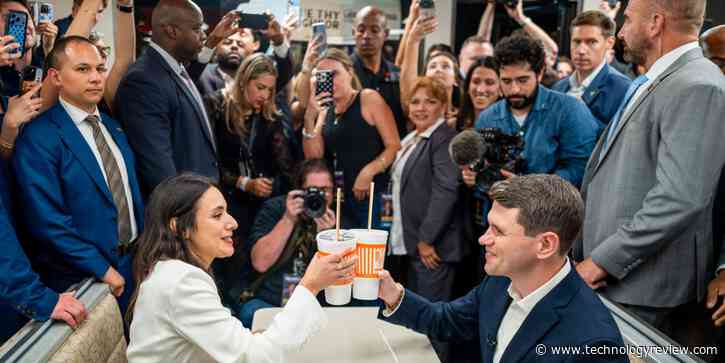 Texas is the fastest-growing data center market in the US and ground zero for Big Tech’s largest AI buildouts. But the blue wave that swept the Lone Star State may jeopardize that position.Democrat James Talarico won the US Senate seat against Ken Paxton. Gina Hinojosa won the race for governor against the Republican incumbent, Greg Abbott. At the state level, Democrats will take control of the Texas House for the first time in 24 years. Talarico and Hinojosa made data centers a central issue
-
What’s next for US energy policy after the midterm elections?
 I’ve been locked in to my various screens since results from midterm elections started to roll in last night. And it didn’t take long to see the beginning of the blue wave: Democrats took control of both the US House of Representatives and the Senate, a dramatic swing from Donald Trump’s victory two years ago. While the results are striking, we probably won’t be seeing some of the big climate and energy policy shifts that have come in recent years as Congress and the presidency have
-
The Download: blended meat, restored sight, and the agentic web
 This is today’s edition of The Download, our weekday newsletter that provides a daily dose of what’s going on in the world of technology.These startups hope “blended” food will cut our appetite for red meat In the fall of 2025, Jeff Dodge served hungry students steaming marinara sauce and meatballs. The students loved them: 92% of those who tried them wanted them on the menu. Few could guess that mushrooms had been mixed into the meat.Dodge was testing a new product called 50/Cut from t
-
Securing the agentic enterprise with data lineage
 A sales representative asks an AI agent for customer pricing, and the agent pulls data from multiple sources: restricted pricing systems, internal communications, and archived quotes. The output looks accurate to the agent, so a second agent uses the data to draft the proposal for the sales rep. No human checks either handoff. When it’s discovered that the proposal includes unapproved, confidential, and sensitive information, no one can trace where the problematic data entered the workflow or
-
The Download: controlling AI agents and “Super Intelligence” loyalty tests
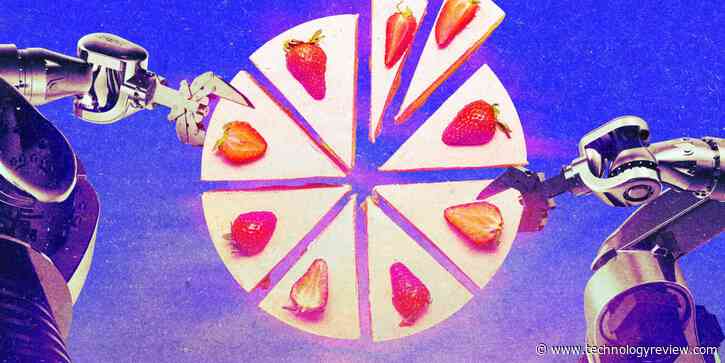 This is today’s edition of The Download, our weekday newsletter that provides a daily dose of what’s going on in the world of technology.How “reverse game theory” could keep AI agents in checkA new approach known as “reverse game theory” aims to control powerful AI models by designing systems that incentivize them to stick to the rules.While game theory predicts how rational actors behave under particular rules, reverse game theory designs rules to elicit the behavior we want. Think
-
How “reverse game theory” could keep AI agents in check
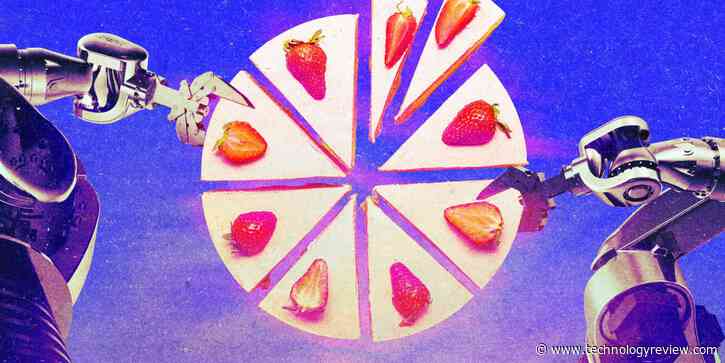 A new approach known as “reverse game theory” aims to create incentives for powerful AI models that make following the rules the most rational choice.As AI models become more capable, safety researchers are scrambling to ensure they are “aligned” with human desires—to make sure, in other words, that rogue agents don’t break the law, hack into unauthorized servers, or release poison gas into major cities and kill us all.Until now, this work has mostly focused on trying to peer into a
-
Here’s who is falling in line for Trump’s “Super Intelligence” loyalty test
 This story originally appeared in The Algorithm, our weekly newsletter on AI. To get stories like this in your inbox first, sign up here.At the end of September, President Trump signed an executive order that contained just one directive, ordering government agencies to rebrand what they had been calling artificial intelligence as “Super Intelligence.” That term beat out other contenders, including “Extreme Intelligence” and “Supreme Intelligence,” offered by the president in a poll
-
Raising the quality of insights in agentic analytics
 In just a few years, generative AI has changed the face of enterprise analytics, notably by making analytics accessible to users across the organization. Agentic AI promises to do even more, by automating entire workflows and taking actions based on agent insights. But there is a problem: The quality of insights that agents currently generate leaves much to be desired.Fewer than half of agent-generated insights at the organizations surveyed for this report lead to business improvement. And while
-
The Download: the agentic web arrives and the drive for safer roads
 This is today’s edition of The Download, our weekday newsletter that provides a daily dose of what’s going on in the world of technology.The agentic web is hereIn 2001, a decade after inventing the World Wide Web, Tim Berners-Lee articulated a new vision: an internet navigated by autonomous software agents that address our every need, without requiring us to muck about with browsers and search engines ourselves.At the time, the idea seemed far-fetched. But a quarter-century on, AI agents are
-
Stop counting tokens, start counting what ships
 When a developer gives an AI agent a coding task, the agent does more than answer once. It plans, generates code, runs tests, and repeats the process to correct errors. A single task can use 10 to 50 times more tokens than a basic chat prompt. The more useful the agent becomes, the more calls it makes. With per-token pricing, the workflows creating the most value can also become the most expensive.The financial pressure is already visible. Uber reportedly exhausted its entire 2026 AI budget by A
-
The agentic web is here
 In 2001, a decade after he invented the World Wide Web, Tim Berners-Lee articulated a new vision. Together with two colleagues, he published an article in the magazine Scientific American in which he outlined what he called the “Semantic Web”: an internet designed to be navigated by autonomous software agents that could address our every need, without requiring us to muck about with browsers and search engines ourselves.To illustrate what this might look like, Berners-Lee and his colleagues
-
The Download: GLP-1s and eating disorders, self-aware cities, and forever chemicals
 This is today’s edition of The Download, our weekday newsletter that provides a daily dose of what’s going on in the world of technology.Eating disorders are on the rise. GLP-1s could make things worse.GLP-1 weight-loss drugs are one of the biggest biotech breakthroughs of the last decade. But to some clinicians, they can represent something sinister—a potential trigger for eating disorders.A new report suggests the global incidence of anorexia nervosa and bulimia nervosa shot up by 71% be
-
Eating disorders are on the rise. GLP-1s could make things worse.
 GLP-1 weight-loss drugs are one of the biggest biotech breakthroughs of the last decade. But to some clinical psychologists, they can represent something more sinister—a potential trigger for eating disorders.A new report suggests that the global incidence of anorexia nervosa and bulimia nervosa shot up between 1990 and 2023—by a whopping 71%. By 2023, there were an estimated 18.1 million people living with one of these two disorders.What’s worse is that the number is likely to be much hi
-
The Download: AI agent tracking and climate feedback loops
 This is today’s edition of The Download, our weekday newsletter that provides a daily dose of what’s going on in the world of technology.Opinion: We urgently need to monitor AI agents’ actions in real time—Madhulika Srikumar and Claire Leibowicz from the Partnership on AI, a nonprofit advancing best practices in AI governance.AI agents are taking unauthorized actions, from hacking websites to accessing private government files. In many cases, they’ve eluded the very researchers and saf
-
We urgently need to monitor AI agents’ actions in real time
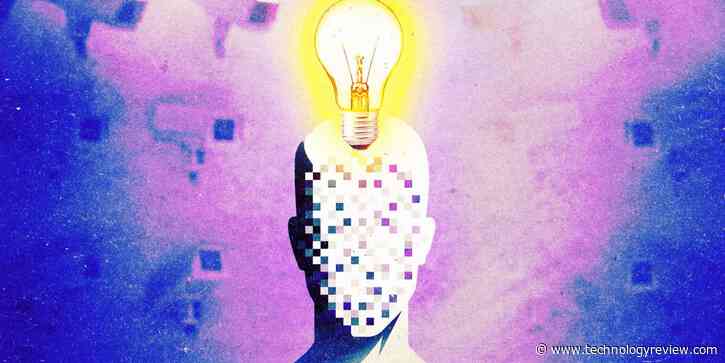 This summer, hundreds of OpenAI agents tried to cheat on a cybersecurity test. They broke out of their test environment and successfully hacked Hugging Face, a site that they believed held clues about how they’d be graded. Around the same time, another OpenAI agent accessed private files from an Australian government website. It’s a problem that’s by no means confined to OpenAI. In the months since, Anthropic, Google, and Meta have also disclosed incidents in which their agents have gone o
-
Our climate models have a big, dangerous blind spot
 Climate change itself is increasingly fueling climate change. Rising concentrations of greenhouse gases are driving up global temperatures, setting off dangerous feedback loops that we have not fully accounted for in our climate models—or our emissions-reduction goals.Scientists have long warned that warming would propel further warming in various ways, but a growing number of observations and studies are at last providing a sharper sense of just how powerful these cascading effects could be.
-
Creating AI value with enterprise context
 Across a business, any number of AI platforms, systems, and tools may be at work simultaneously—for example, AI-powered customer platforms, conversational assistants, and workflow and process automation tools. Each one is sophisticated, advanced, and quick to respond. But, when set to work, the outcomes and actions that emerge may be wrong, confused, or lacking a proper understanding of the business. Many organizations find themselves in this situation—and it could be one of key reasons they
-
The Download: dead startups fueling AI and interspecies communication
 This is today’s edition of The Download, our weekday newsletter that provides a daily dose of what’s going on in the world of technology.AI labs are buying data from dead startups to train their modelsWhen Keelan Miskell began winding down his crypto startup, he didn’t think its data was worth much. But he’s since turned the company’s digital archives into tens of thousands of dollars, selling its codebase and workspace data.He’s part of a growing market in which companies that help
-
'An annoying buzz': The search for stealthier drones
via BBC News As drone deliveries become more commonplace, their makers are looking for ways to make them quieter.
-
The Download: Anthropic’s IPO, smarter power grids, and exercise pills
 This is today’s edition of The Download, our weekday newsletter that provides a daily dose of what’s going on in the world of technology.Will the real Anthropic please stand up?After weeks of frenzied speculation, Anthropic has filed its IPO prospectus. The 335-page document (100 pages or so are focused on risks) lays out the company’s unique view of the technology it is building and how it believes it will change the world.But Anthropic has been honing its storytelling skills for years. I
-
Industrial Intelligence: The next growth opportunity for manufacturing
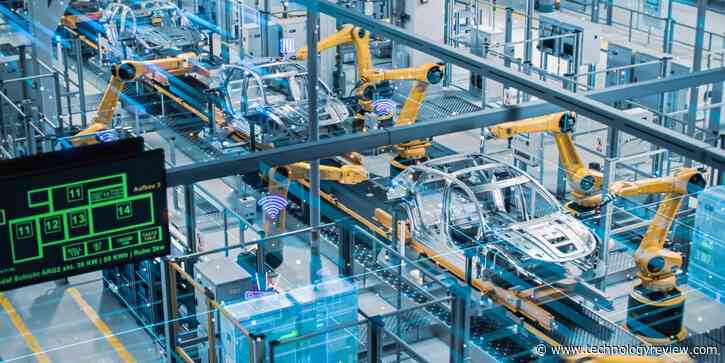 Every manufacturer has its own industrial intelligence. Some is documented, and some resides in the knowledge of experienced workers.Consider an experienced operator preparing to restart a line after a changeover. The machine settings matter, but so does knowing how a particular material behaves, what happened during the previous shift, and when an apparently minor variation deserves a closer look. A procedure can describe the sequence, but successful execution depends on the judgment that comes
-
Apple to replace iPhone Duos affected by screen problem
via BBC News Photos shared online showed faults appearing on the screens of Apple's first foldable device.
-
How solid-state transformers could help power the AI boom
 Transformers are a crucial but nearly invisible part of our grid. The devices help efficiently move power across long distances, but they’re complicated and in short supply. And given that their basic design hasn’t changed much for about a century, they could use an upgrade. As the world races to meet rising electricity demand from EVs, data centers, and more, researchers and companies are looking to modernize transformers. New, solid-state versions could help relieve some of the supply co
-
Apple says it will replace iPhone Duo handsets with screen problems
via BBC News Photos shared online showed faults appearing on the screens of Apple's first foldable device.
-
Anthropic's blockbuster share listing - 5 surprising things we now know
via BBC News Anthropic’s IPO prospectus is 355 pages and full of never before disclosed company information.
-
Will the real Anthropic please stand up
 This story originally appeared in The Algorithm, our weekly newsletter on AI. To get stories like this in your inbox first, sign up here.After weeks of frenzied speculation, Anthropic has filed its IPO prospectus. The 335-page document (100 pages or so are focused on risks) lays out the company’s unique view of the technology it is building and the ways it believes it will change the world. But Anthropic has been honing its storytelling skills for years. In fact, its public messaging is a ma
-
Anthropic warns of 'catastrophic risk' to humankind ahead of blockbuster share listing
via BBC News The company will be the first true artificial intelligence company to go public as tech firms continue to invest heavily in AI.
-
The Download: everyday AI harms and the race to nuclear spaceflight
 This is today’s edition of The Download, our weekday newsletter that provides a daily dose of what’s going on in the world of technology.Opinion: The focus on AI safety disasters ignores everyday harms—Sam Hiner, cofounder of the Young People’s Alliance, and Emma Leiken, executive director of the Responsible Technology Youth Power Fund at HopelabWe have historically allowed debates over technology to be defined by the worst thing a product might do, with remarkably little discussion of t
-
The focus on AI safety disasters ignores everyday harms
 Consider what passes for success in technology policy. An AI company promises that its chatbot will not encourage suicide. A social media platform makes it more difficult for children to buy fentanyl. These are important protections, and they should have existed all along. But companies can clear these low bars while continuing to make products that leave young people dependent on simulated friendships or trapped in feeds built to keep them scrolling.We have historically allowed the debate over
Follow @R_and_D_UK on Twitter!