

✗ Close categories
 Addiction
Apple
Arts
Asia News
British Airways
Business
Cars
Celebrity
Christianity
Cinema, Theater & TV
Conspiracy Theories
Coronavirus
Ebola
Economy
Education
Electronics
Entertainment
Environment
Fashion
Finance
Food
Funny videos
Gadgets
Games
General News
Health
International Crime
Jobs
Lifestyle
Military
Mindfulness
Movies
Music
News videos
NewsPhoto
Nightlife
Obituaries
Olympics
Organized Crime
Politics
Psychology
Recipes
Royal Family
Sci-Tech
Science
Social media
Sport
Technology
Television
Thames Deckway
Traffic
Travel
Trending UK
UK News
UnitedHealth Group Inc.
Weather
World News
✗ Close categories
Addiction Apple Arts Asia News British Airways Business Cars Celebrity Christianity Cinema, Theater & TV Conspiracy Theories Coronavirus Ebola Economy Education Electronics Entertainment Environment Fashion Finance Food Funny videos Gadgets Games General News Health International Crime Jobs Lifestyle Military Mindfulness Movies Music News videos NewsPhoto Nightlife Obituaries Olympics Organized Crime Politics Psychology Recipes Royal Family Sci-Tech Science Social media Sport Technology Television Thames Deckway Traffic Travel Trending UK UK News UnitedHealth Group Inc. Weather World News✗ Close categories
✗ Close categories
Arsenal
Aston Villa
Athletics
Badminton
Baseball
Basketball
Blackburn Rovers
Blackpool
Boxing
Burnley
Cardiff City
Champions League
Chelsea
Cricket
Crystal Palace
Cycling
Darts
Everton
Formula 1
Formula 1 - Force India Videos
Formula 1 - Infiniti Red Bull Racing Videos
Formula 1 - Live Stream & News
Formula 1 - McLaren Videos
Formula 1 - Mercedes AMG Petronas Videos
Formula 1 - Sauber F1 Team Videos
Formula 1 - Scuderia Ferrari Videos
Formula 1 - Scuderia Toro Rosso Videos
Formula 1 - Team Lotus Videos
Formula 1 - Williams Martini videos
Fulham
Golf
Hockey
Horse Racing
Hull City
Ice Hockey
Leicester City
Liverpool
Manchester City
Manchester United
Middlesbrough
Motorsport
Norwich City
Philadelphia Phillies
Premier League
Queens Park Rangers
Rally
Reading
Rowing
Rugby
scarlets rugby
Soccer
Southampton
Stoke City
Sunderland
Swansea City
Swimming
Tennis
Tottenham
Tour de France
Volleyball
WC soccer 2014
Welsh Rugby Union
West Ham
Wigan Athletic
Wolverhampton Wanderers
✗ Close categories
Arsenal Aston Villa Athletics Badminton Baseball Basketball Blackburn Rovers Blackpool Boxing Burnley Cardiff City Champions League Chelsea Cricket Crystal Palace Cycling Darts Everton Formula 1 Formula 1 - Force India Videos Formula 1 - Infiniti Red Bull Racing Videos Formula 1 - Live Stream & News Formula 1 - McLaren Videos Formula 1 - Mercedes AMG Petronas Videos Formula 1 - Sauber F1 Team Videos Formula 1 - Scuderia Ferrari Videos Formula 1 - Scuderia Toro Rosso Videos Formula 1 - Team Lotus Videos Formula 1 - Williams Martini videos Fulham Golf Hockey Horse Racing Hull City Ice Hockey Leicester City Liverpool Manchester City Manchester United Middlesbrough Motorsport Norwich City Philadelphia Phillies Premier League Queens Park Rangers Rally Reading Rowing Rugby scarlets rugby Soccer Southampton Stoke City Sunderland Swansea City Swimming Tennis Tottenham Tour de France Volleyball WC soccer 2014 Welsh Rugby Union West Ham Wigan Athletic Wolverhampton Wanderers✗ Close categories
✗ Close categories
...test
Aberdeen City
Aberdeenshire
Antrim
Aylesbury Vale
Barking and Dagenham
Barnet
Barnsley
Basildon
Bath and North East Somerset
Belfast
Bexley
Birmingham
Blackburn with Darwen
Bolton
Bournemouth
Bradford
Brent
Brighton and Hove
Bristol
Bromley
Bury
Calderdale
Cambridge
Camden
Cardiff
Central Bedfordshire
Cheshire East
Cheshire West and Chester
Cornwall
County Durham
Coventry
Croydon
Derby
Doncaster
Dudley
Ealing
East Riding of Yorkshire
Edinburgh
Enfield
Essex
Gateshead
Glasgow
Greater London
Greenwich
Hackney
Hammersmith and Fulham
Haringey
Harrow
Havering
Herefordshire
Hillingdon
Hounslow
Hull
Islington
Kirklees
Lambeth
Leeds
Leicester
Lewisham
Liverpool
London
Luton
Manchester
Medway
Merton
Milton Keynes
New Forest
Newcastle
Newcastle upon Tyne
Newham
North Somerset
North Tyneside
North West
Northampton
Northern Ireland
Northumberland
Nottingham
Oldham
Oxford
Peterborough
Plymouth
Portsmouth
Redbridge
Richmond upon Thames
Rochdale
Rotherham
Salford
Sandwell
Scotland
Sefton
Sheffield
Shropshire
Solihull
South East
South Gloucestershire
South West
Southampton
Southend-on-Sea
Southwark
St Helens
Stockport
Stockton-on-Tees
Stoke-on-Trent
Sunderland
Sutton
Swindon
Tameside
Tower Hamlets
Trafford
Wakefield
Wales
Walsall
Waltham Forest
Wandsworth
Warrington
West Midlands
Westminster
Wigan
Wiltshire
Wirral
Wolverhampton
York
✗ Close categories
...test Aberdeen City Aberdeenshire Antrim Aylesbury Vale Barking and Dagenham Barnet Barnsley Basildon Bath and North East Somerset Belfast Bexley Birmingham Blackburn with Darwen Bolton Bournemouth Bradford Brent Brighton and Hove Bristol Bromley Bury Calderdale Cambridge Camden Cardiff Central Bedfordshire Cheshire East Cheshire West and Chester Cornwall County Durham Coventry Croydon Derby Doncaster Dudley Ealing East Riding of Yorkshire Edinburgh Enfield Essex Gateshead Glasgow Greater London Greenwich Hackney Hammersmith and Fulham Haringey Harrow Havering Herefordshire Hillingdon Hounslow Hull Islington Kirklees Lambeth Leeds Leicester Lewisham Liverpool London Luton Manchester Medway Merton Milton Keynes New Forest Newcastle Newcastle upon Tyne Newham North Somerset North Tyneside North West Northampton Northern Ireland Northumberland Nottingham Oldham Oxford Peterborough Plymouth Portsmouth Redbridge Richmond upon Thames Rochdale Rotherham Salford Sandwell Scotland Sefton Sheffield Shropshire Solihull South East South Gloucestershire South West Southampton Southend-on-Sea Southwark St Helens Stockport Stockton-on-Tees Stoke-on-Trent Sunderland Sutton Swindon Tameside Tower Hamlets Trafford Wakefield Wales Walsall Waltham Forest Wandsworth Warrington West Midlands Westminster Wigan Wiltshire Wirral Wolverhampton York✗ Close categories
✗ Close categories
Harry Styles
Aaron Taylor-Johnson
Adele
Ashley Cole
Benedict Cumberbatch
Billie Piper
Boris Johnson
Charlie Hunnam
Cliff Richard
David Beckham
DJ 3lau
DJ Above & Beyond
DJ Afrojack
DJ Alesso
DJ Aly & Fila
DJ Andrew Rayel
DJ Angerfist
DJ Armin Van Buuren
DJ Arty
DJ ATB
DJ Audien
DJ Avicii
DJ Axwell
DJ Bingo Players
DJ Bl3ND
DJ Blasterjaxx
DJ Borgeous
DJ Borgore
DJ Boy George
DJ Brennan Heart
DJ Calvin Harris
DJ Carl Cox
DJ Carnage
DJ Code Black
DJ Coone
DJ Cosmic Gate
DJ Da Tweekaz
DJ Dada Life
DJ Daft Punk
DJ Dannic
DJ Dash Berlin
DJ David Guetta
DJ Deadmau5
DJ Deorro
DJ Diego Miranda
DJ Dillon Francis
DJ Dimitri Vegas & Like Mike
DJ Diplo
DJ Don Diablo
DJ DVBBS
DJ Dyro
DJ Eric Prydz
DJ Fedde Le Grand
DJ Felguk
DJ Ferry Corsten
DJ Firebeatz
DJ Frontliner
DJ Gabry Ponte
DJ Gareth Emery
DJ Hardwell
DJ Headhunterz
DJ Heatbeat
DJ Infected Mushroom
DJ John O'Callaghan
DJ Kaskade
DJ Knife Party
DJ Krewella
DJ Kura
DJ Laidback Luke
DJ Madeon
DJ MAKJ
DJ Markus Schulz
DJ Martin Garrix
DJ Merk & Kremont
DJ Mike Candys
DJ Nervo
DJ Nicky Romero
DJ Noisecontrollers
DJ Oliver Heldens
DJ Orjan Nilsen
DJ Paul Van Dyk
DJ Porter Robinson
DJ Quentin Mosimann
DJ Quintino
DJ R3hab
DJ Radical Redemption
DJ Richie Hawtin
DJ Sander Van Doorn
DJ Sebastian Ingrosso
DJ Showtek
DJ Skrillex
DJ Snake
DJ Steve Angello
DJ Steve Aoki
DJ Tenishia
DJ The Chainsmokers
DJ Tiddey
DJ Tiesto
DJ TJR
DJ Umek
DJ Ummet Ozcan
DJ Vicetone
DJ VINAI
DJ W&W
DJ Wildstylez
DJ Wolfpack
DJ Yves V
DJ Zatox
DJ Zedd
DJ Zomboy
Emilia Clarke
Emily Blunt
Gabriella Wilde
Gary Lineker
Gemma Arterton
Gwendoline Christie
Hayley Atwell
Helena Bonham Carter
Imogen Poots
Jason Statham
John Terry
Juno Temple
Kate Beckinsale
Kate Winslet
Keira Knightley
Liam Payne
Lily Collins
Louis Tomlinson
Niall Horan
Nicholas Hoult
Paul McCartney
Prince William
Ralph Fiennes
Richard Branson
Robbie Williams
Robert Pattinson
Rosamund Pike
Sophie Turner
Theo James
Tom Hardy
Tom Hiddleston
Tony Blair
Tyree Cooper
Wayne Rooney
Zayn Malik
✗ Close categories
Harry Styles Aaron Taylor-Johnson Adele Ashley Cole Benedict Cumberbatch Billie Piper Boris Johnson Charlie Hunnam Cliff Richard David Beckham DJ 3lau DJ Above & Beyond DJ Afrojack DJ Alesso DJ Aly & Fila DJ Andrew Rayel DJ Angerfist DJ Armin Van Buuren DJ Arty DJ ATB DJ Audien DJ Avicii DJ Axwell DJ Bingo Players DJ Bl3ND DJ Blasterjaxx DJ Borgeous DJ Borgore DJ Boy George DJ Brennan Heart DJ Calvin Harris DJ Carl Cox DJ Carnage DJ Code Black DJ Coone DJ Cosmic Gate DJ Da Tweekaz DJ Dada Life DJ Daft Punk DJ Dannic DJ Dash Berlin DJ David Guetta DJ Deadmau5 DJ Deorro DJ Diego Miranda DJ Dillon Francis DJ Dimitri Vegas & Like Mike DJ Diplo DJ Don Diablo DJ DVBBS DJ Dyro DJ Eric Prydz DJ Fedde Le Grand DJ Felguk DJ Ferry Corsten DJ Firebeatz DJ Frontliner DJ Gabry Ponte DJ Gareth Emery DJ Hardwell DJ Headhunterz DJ Heatbeat DJ Infected Mushroom DJ John O'Callaghan DJ Kaskade DJ Knife Party DJ Krewella DJ Kura DJ Laidback Luke DJ Madeon DJ MAKJ DJ Markus Schulz DJ Martin Garrix DJ Merk & Kremont DJ Mike Candys DJ Nervo DJ Nicky Romero DJ Noisecontrollers DJ Oliver Heldens DJ Orjan Nilsen DJ Paul Van Dyk DJ Porter Robinson DJ Quentin Mosimann DJ Quintino DJ R3hab DJ Radical Redemption DJ Richie Hawtin DJ Sander Van Doorn DJ Sebastian Ingrosso DJ Showtek DJ Skrillex DJ Snake DJ Steve Angello DJ Steve Aoki DJ Tenishia DJ The Chainsmokers DJ Tiddey DJ Tiesto DJ TJR DJ Umek DJ Ummet Ozcan DJ Vicetone DJ VINAI DJ W&W DJ Wildstylez DJ Wolfpack DJ Yves V DJ Zatox DJ Zedd DJ Zomboy Emilia Clarke Emily Blunt Gabriella Wilde Gary Lineker Gemma Arterton Gwendoline Christie Hayley Atwell Helena Bonham Carter Imogen Poots Jason Statham John Terry Juno Temple Kate Beckinsale Kate Winslet Keira Knightley Liam Payne Lily Collins Louis Tomlinson Niall Horan Nicholas Hoult Paul McCartney Prince William Ralph Fiennes Richard Branson Robbie Williams Robert Pattinson Rosamund Pike Sophie Turner Theo James Tom Hardy Tom Hiddleston Tony Blair Tyree Cooper Wayne Rooney Zayn Malik✗ Close categories
✗ Close categories
Accountancy
Administration
Advertising
Aerospace
Agriculture
Analyst
Animals
Antiques
Archaeology
Architecture
Arts
Astrology
Astronomy
Auto News
Automotive
Aviation
Bakery
Biotechnology
Brazil
Cabaret
Call Centre
Car News
Care
Catering
Charities
Chemistry
Child care
Cinema, Theater & TV
Cleaning Industry
Coaching
Construction
Customs
Dairy industry
Dance & ballet
Debt collection agencies
Defense
DJ
Economy
Education & Training
Electrical
Entrepreneur
Farming & Agriculture
Financial
Firefighter
Fisheries
Flowers
FMCG
Food
Fruit & Vegetables
Genealogy
General News
Government
Hair stylist
Hotel
HR & Recruitment
ICT
Insurance
IT Executive
Jobs
Justice
Landscaper
Lawyer
Legal
Library
Logistics
Marketing
Meat industry
Medical Industry
Mining
Nurse
Online Trends
Pharmaceutical Industry
Pharmacy
Physical therapy
Police
Political
PR Public relations
Production & Industry
Project Management
Psychology
Public Transport
Publisher
Real estate
Research & Development
Restaurant
Retail
Sales & Marketing
Security
SEO
Shipping
Social work
Sustainable Energy
Teacher
Telecom
Tourism
Traditional Energy
Transport
Travel Industry
Web Design
✗ Close categories
Accountancy Administration Advertising Aerospace Agriculture Analyst Animals Antiques Archaeology Architecture Arts Astrology Astronomy Auto News Automotive Aviation Bakery Biotechnology Brazil Cabaret Call Centre Car News Care Catering Charities Chemistry Child care Cinema, Theater & TV Cleaning Industry Coaching Construction Customs Dairy industry Dance & ballet Debt collection agencies Defense DJ Economy Education & Training Electrical Entrepreneur Farming & Agriculture Financial Firefighter Fisheries Flowers FMCG Food Fruit & Vegetables Genealogy General News Government Hair stylist Hotel HR & Recruitment ICT Insurance IT Executive Jobs Justice Landscaper Lawyer Legal Library Logistics Marketing Meat industry Medical Industry Mining Nurse Online Trends Pharmaceutical Industry Pharmacy Physical therapy Police Political PR Public relations Production & Industry Project Management Psychology Public Transport Publisher Real estate Research & Development Restaurant Retail Sales & Marketing Security SEO Shipping Social work Sustainable Energy Teacher Telecom Tourism Traditional Energy Transport Travel Industry Web Design✗ Close categories

-
Melt it, spin it, use it again
 The average American throws out around 81 pounds of clothing each year, and there are few options for recycling it. MIT engineers hope to cut down on that textile waste with a new type of yarn. The thermoplastic yarn mimics the properties of conventional elastic yarns, which typically combine spandex with polyester or nylon. Those fibers would have to be separated for recycling—a process that isn’t practical. But the MIT team found a way to create a similarly stretchy yarn from


-
Taking a swing at a pickleball startup
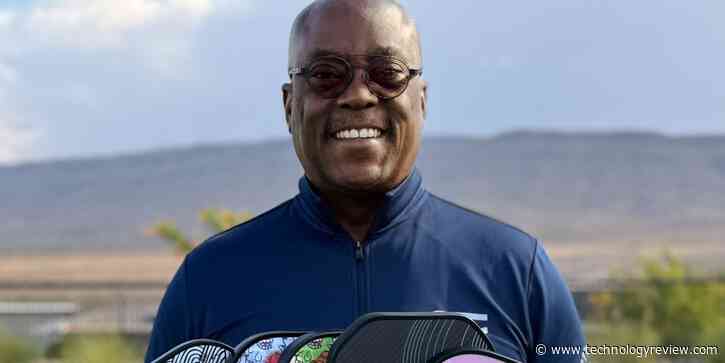 In corporate America, Stanley Anderson ’79 says, executives often assume that their peers grew up in privileged circumstances. He did not.“I spent my early years trying not to get recruited into gangs, getting shot at, watching my friends get murdered, and thinking that if I don’t leave, I will die,” says Anderson, who was raised in Chicago. “I was fortunate to survive.”But he thrived, building an impressive career at the likes of HP, Intel, and the Palo
-
Robotic therapy for stroke patients
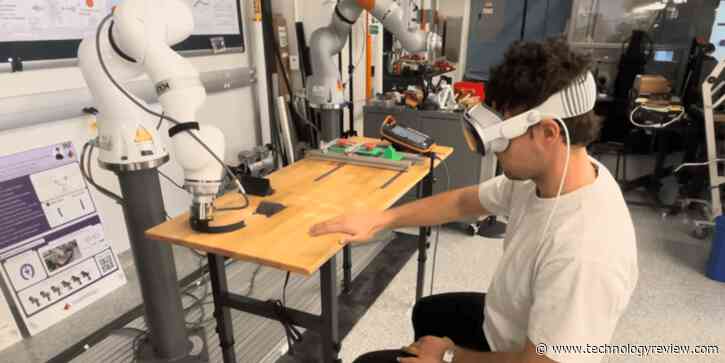 Strokes leave 5 million people with long-term impairments each year, and a growing shortage of physical therapists makes it hard for them to get the care they need. A new approach tries to solve that problem by combining artificial intelligence and human therapy. Johannes Lachner, a former MIT postdoc who is now an assistant professor at Purdue University, and Noah Geiger, a former visiting student at MIT, developed a robotic system that uses generative AI and real-time force feedback to le
-
Nebraska native explores galaxies far, far away
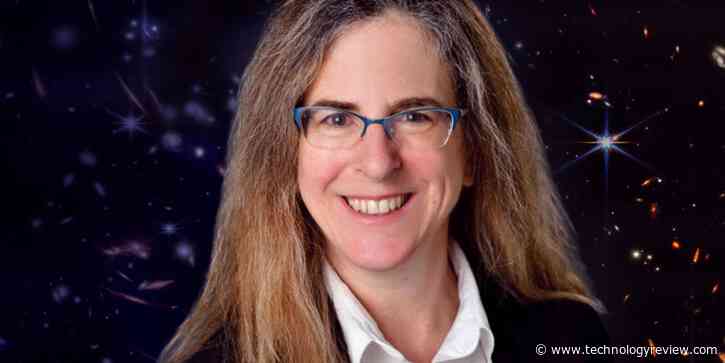 Growing up on a small farm in Nebraska, Megan Donahue ’85 discovered the wider world by reading her way through her local library. Today, she is learning how the wider universe works by studying galaxy clusters.Donahue discovered her passion for physics in that library at age 12 and started her path into astronomy thanks to “a providential interaction.” Through MIT’s Undergraduate Research Opportunities Program, she got introduced to cutting-edge x-ray imaging—work
-
It’s a bird, it’s a plane … it’s a robo-puffin?
 Given that water is 1,000 times denser than air, moving through those two mediums requires very different mechanics—or so one might assume. Yet birds like gulls and puffins can plunge into the sea, swim underwater, and leap back into the air to fly away. And now engineers at MIT and EPFL in Lausanne, Switzerland, have designed a robot that can do likewise. The “flapping-wing aerial-aquatic vehicle,” or FAAV, weighs less than 300 grams (about half a pound) and is equipped w
-
Here’s the tea
 When Tristan Brown, an associate professor of history at MIT, first examined a Chinese tea chest label displayed at Old South Meeting House, he had no reason to doubt its story. Descendants of the Boston blacksmith Thomas Wells had donated the label in 1987, saying it had been recovered after colonial protesters threw tea into Boston Harbor in 1773. But after a year of research, Brown reached a different conclusion: The label was made nearly a century later. The decisive clue came when he r
-
A reason to eat carbs
 A high-fat, low-carbohydrate diet can help some people lose weight, and some research has shown that it may protect against colon cancer. But a new study suggests that such a ketogenic diet may also increase the risk of cancer in the small intestine.This type of diet forces the body to burn fatty acids instead of carbohydrates for fuel, producing by-products called ketone bodies. One of these, BHB, was thought to be responsible for the protective effect observed against colon cancer.Omer Yilmaz,
-
A good TA: priceless
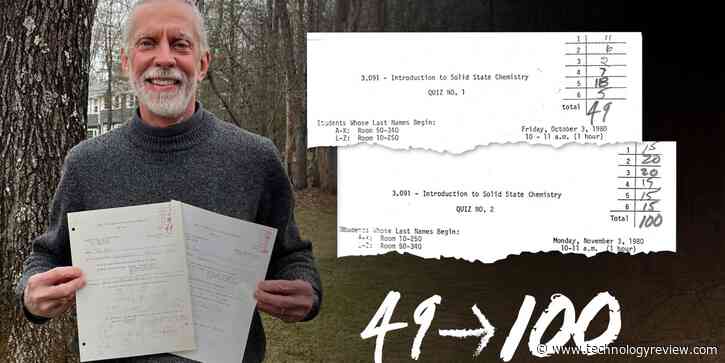 These are images of quizzes I took in 3.091, Introduction to Solid-State Chemistry, in the fall of 1980.One is my very first exam at MIT, and getting 49 out of 100 was a soul-crushing experience. I can still picture the TA, Leszek Pawlowicz, PhD ’87, returning my paper. He had a big smile on his face, and he said something to the effect of “I expect to see you double your score on the next quiz!” Well, I got the message. Studying at MIT was not like studying in high school
-
A cleaner path to rare earth metals
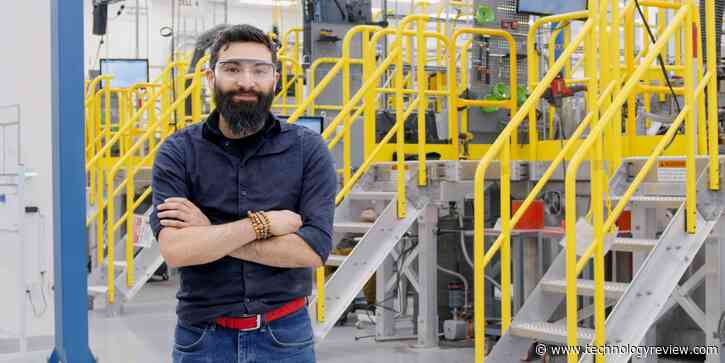 Tomás Villalón Jr. ’14 was raised in San Antonio, Texas, but vividly remembers smog hanging over the city his family came from—Monterrey, Mexico, a steel manufacturing and metal fabrication hub. Even as a child, he realized it was problematic to breathe that air. “I’m motivated because I’ve seen what metal-making does,” says Villalón, who majored in materials science and engineering. He started thinking about sustainable metallurgy se
-
A champion for brain injury patients
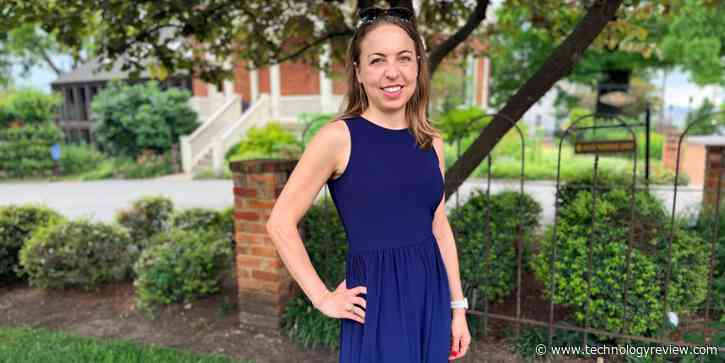 Alissa Totman ’13 was a sophomore when she joined MIT BrainTrust, a student-run organization that connects Institute undergraduates and people with brain injuries for support and socializing. “That group was a great way to learn about the human experience of what people go through when they experience a brain injury,” she says. And it laid the foundation for her life’s work.Today, Totman is a physician specializing in brain injury medicine at the University of Pittsburgh
-
Astrolab’s upcoming rover will run the first LLMs on the moon
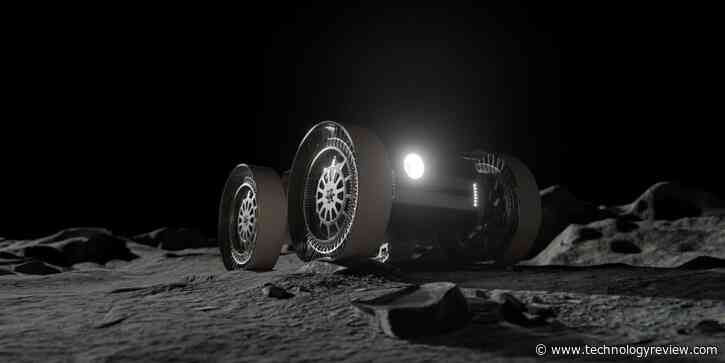 Large language models are set to go lunar. A computer capable of running AI software is one of the payloads aboard Astrolab’s FLIP lunar rover, which is slated to head to Earth’s celestial companion as early as November 2026.The 480-kilogram FLIP rover, short for “FLEX Lunar Innovation Platform,” is the first in a series of vehicles NASA’s contracted from Astrolab, including future buggies that will move Artemis astronauts across the moon’s surface. Fitted wit
-
The new economics of enterprise AI
 Imagine your company just discovered electricity. At first only a few machines run on it, and nobody worries about efficiency — consumption is low and the value is obvious. But once electricity becomes infrastructure, every process depends on it, and the question changes from “can we use it?” to “how efficiently are we using it?”Enterprise AI is going through the same shift. What began as isolated chatbot and copilot experiments is becoming a foundational layer of t
-
The Download: the claim shaking up AI and the internet’s agent problem
 This is today’s edition of The Download, our weekday newsletter that provides a daily dose of what’s going on in the world of technology.“We were looking at it wrong”: The explosive claim that’s upended the AI world“I think I have good news about the nature of neural networks.” With those simple words of optimism, Nick Cammarata, a researcher at AI startup Goodfire, kicked off a 26,000-word blog post that has knocked the AI world on its head, sparking wi
-
AI adoption by industry shows what other sectors can learn
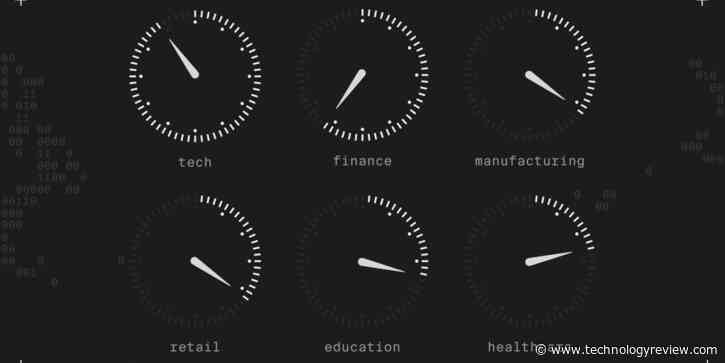 The current narrative around artificial intelligence in the workplace is largely driven by Silicon Valley. But treating the tech sector as an island misses the actual trends in technology adoption–tech is just the first industry in line.As generative AI and automation tools mature, the shifts currently reshaping software engineering and product management will inevitably filter into healthcare, education, retail, and manufacturing. The variation in adoption rates today isn’t a sign t
-
How to study a swiftly melting climate disaster
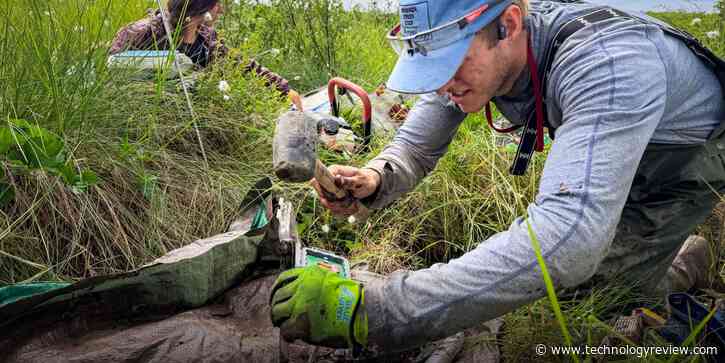 Andrew Haverdink, a tall grad student in a rain bib and rubber boots, wrenched a double-handed drill from the frozen soil that underlies much of Alaska’s Denali National Park and then unclipped the hollow barrel from the end of the bit. He knelt in front of a blue tarp, lined the barrel up with a plastic tray, and pushed a rod through the opposite end. A perfect solid, cylindrical core of ancient soil emerged—dark, rich permafrost at least a foot long.On that late morning in ea
-
These startups hope “blended” food will cut our appetite for red meat
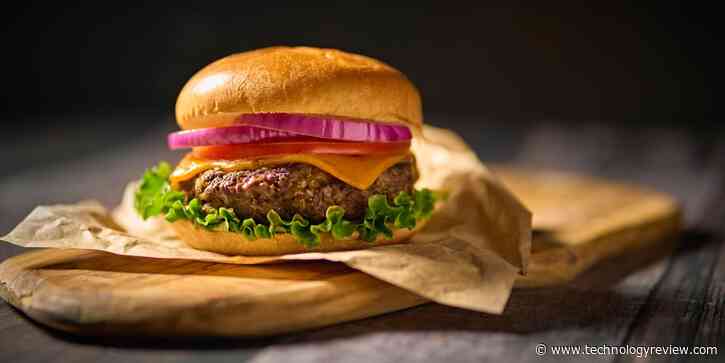 In the fall of 2025, Jeff Dodge set up a six-foot folding table in the cafeteria of Cane Bay High School in Summerville, South Carolina, to conduct a taste test. When the first rush of about 150 hungry students hit, he was waiting with slow cookers filled with steaming marinara sauce and meatballs. Kids love a taste test, but they’re also discerning, and Dodge wasn’t sure what they would make of his product, a blend featuring both meat and mushrooms. As students swarmed the tabl
-
A visit to Samsung’s massive new semiconductor hub
 _____________
THE PLACE
Pyeongtaek,
South KoreaGenerative AI models run on powerful chips known as GPUs, which depend on stacks of specialized memory chips packaged with the processor. To meet growing demand for memory, Samsung is building a massive new semiconductor manufacturing complex in Pyeongtaek, South Korea. Three fabs already operate around the clock, and a fourth is coming online. Construction of a fifth was halted during a drop in demand for memory chips in 2024 but restarted when the
-
Ex-OpenAI worker accused of planting device had Saudi support, says court filing
via bbc.co.uk The Saudi government did not immediately respond to BBC requests for comment.
-
Making the internet better for AI agents might make it worse for everyone else
 This story originally appeared in The Algorithm, our weekly newsletter on AI. To get stories like this in your inbox first, sign up here.Until recently, you could divide internet users into just two categories: bots and people. Websites have long allowed bots to perform automated tasks, like capturing the content of web pages, but rules govern what they can access and how they behave. The web, after all, is designed primarily for people, even if we occasionally have to solve puzzles and cap
-
US bans China's DeepSeek from government in race for AI dominance
via bbc.co.uk The Chinese technology is removed from most US government agencies as race for AI dominance steps up.
-
“We were looking at it wrong”: The explosive claim that’s upended the AI world
 “I think I have good news about the nature of neural networks.” With those simple words of optimism, Nick Cammarata, a researcher at the AI startup Goodfire, kicked off a 26,000-word blog post that has knocked the AI world on its head, sparking wild speculation as well as cautious (and not-so-cautious) celebration.Cammarata’s claim is that LLMs might in fact be far easier to understand—and thus to monitor and control—than people previously thought. If true (and we&
-
Uber wins bid to throw out £200m black cab claims
via bbc.co.uk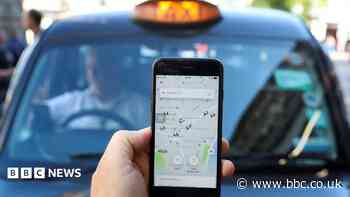 Claims that Uber misled TfL over its licence were thrown out because they were brought too late.
-
The Download: preserving the Arctic permafrost, and playful AI agents
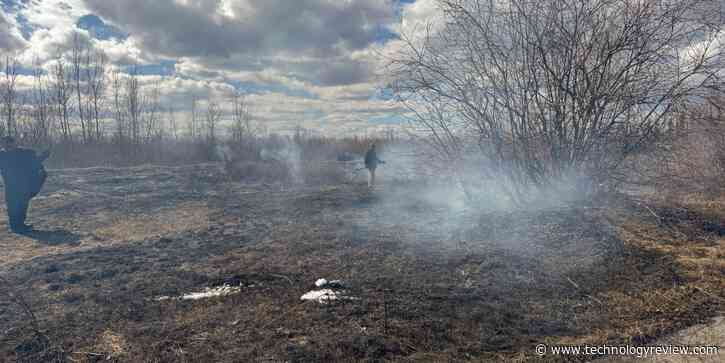 This is today’s edition of The Download, our weekday newsletter that provides a daily dose of what’s going on in the world of technology.
Inside the quest to combat Arctic fires and save the planet’s frozen carbon—James TempleIn July 2021, a wildfire burned through a forest on the University of Alaska, Fairbanks campus, stripping away the moss and organic-rich soil insulating the permafrost below. Five years later, I followed researchers into the forest to investigat
-
Musk and Anthropic pledge public share giveaways
via bbc.co.uk Musk's announcement comes after Anthropic pledged to create a public benefit fund ahead of its blockbuster stock market listing.
-
Inside the quest to combat Arctic fires and save the planet’s frozen carbon
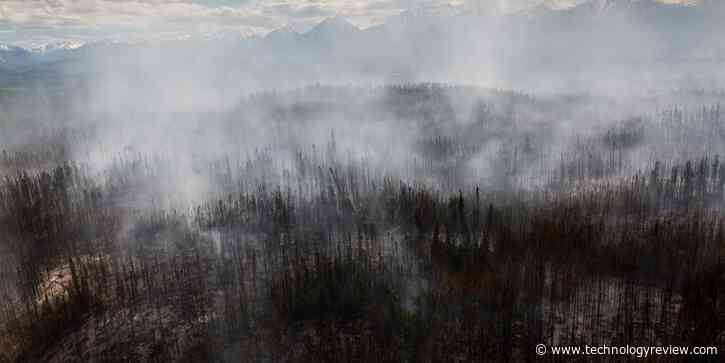 In the middle of an especially warm July in 2021, a wildfire ignited in a thick forest of black spruce and peeling paper birch trees on the northern campus of the University of Alaska, Fairbanks. The blaze, possibly sparked by lightning, burned across the dry carpet of feather mosses and lichen before climbing into the crowns. By the time fire agencies responded, flames had reached 12 feet in length and sent up a 500-foot column of smoke. A few days shy of the five-year anniversary of
-
AI researchers stranded Claude on a virtual desert island. It started to “play.”
 What do AI agents do if you don’t tell them to do anything? The answer looks a lot like play.Researchers repeatedly stranded them alone on a virtual desert island for 30 hours in an experiment reminiscent of the movies Cast Away or Home Alone. The agents—copies of Claude Opus 4.7 nicknamed Eko—were able to write instructions that moved their virtual avatars around the simulated island, which was loosely based on the video game Roblox.Some surprising behaviors emerged. The agen
-
How far can we push computing?
 MIT Technology Review Explains: Let our writers untangle the complex, messy world of science and technology to help you understand what’s coming next. You can read more from the series here.On the evening of December 29, 1959, at an American Physical Society meeting at Caltech, the physicist Richard Feynman gave a lecture called “There’s Plenty of Room at the Bottom,” on how we might manipulate and control things on an extremely small scale. There is no physical law stopp
-
China's growth accelerates as AI boom helps boost exports
via bbc.co.uk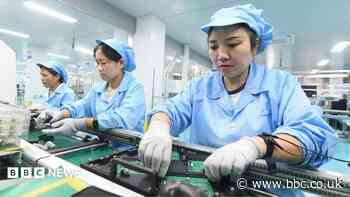 Exports have helped offset weak spending at home, but trade tensions and AI doubts cloud its outlook.
-
Don't fall for this - how to protect yourself from AI scams
via bbc.co.uk Trading standards officers say AI is "super-charging" existing scams through clones and fake websites.
-
No further action against government adviser's wife over Palestine Action post, police say
via bbc.co.uk Sarah Helm, who is married to Jonathan Powell, was responding to a discussion about the author Sally Rooney.
Follow @R_and_D_UK on Twitter!