

✗ Close categories
 Ice Bucket Challenge
Animals
Apple
Apps & Smartphones
Artificial Intelligence
Arts
AT&T Inc.
Bank of America
Berkshire Hathaway
Business
Cardinal Health Inc
Cars
Celebrity
Chevron Corporation
Child Care
Christian News
Christian Videos
Chrysler Group
Citigroup
ConocoPhillips Company
Conspiracy Channels
Conspiracy theories
Conspiracy Videos
Consumer
Cooking & Recipes
Coronavirus
Costco Wholesale Corporation
Craigslist Inc.
Cryptocurrency
Culture & Media
CVS Caremark Corporation
Dance music & news
DIY
Ebola
Electronics
Entertainment
Exploding Kittens
Express- Scripts- Holding- Company
Exxon Mobil Corporation
Facebook Inc.
Fashion
Federal National Mortgage Assocation
Films/Movies & reviews
Finance
Flat Earth News
Food
Ford Motor Company
Funny videos
Gadgets
games
General Electric Company
General Motors
General News
Google Inc.
Gossip news
Gourmet
Gulden
Health
Hewlett-Packard Company
Home
ID&T
International Business Machines Corporation
International Crime
JPMorgan Chase & Co
Kepler-186f planet
Leisure time
Leisure trends
Life & Style
Literature
Maranon Hammocks
Marathon Petroleum Corporation
McDonald's
McKesson Corporation
Medical
Microsoft Corporation
Movies
Music
News videos
Obituaries
Olympic Games
Organic food
Politics
Quantum Computing
Reddit
Royal Dutch Shell
Sci-Tech
Social media
social media news
Technology
Television
The Kroger Company
The Walking Dead
Top 25 Zoos
Top10 twitter accounts
Traffic
Travel
Twitter Inc
UFO News and more
US Elections
Vacancies
Valero Energy Corporation
Verizon Communications Inc.
Virtual & Augmented Reality
Walmart
Weather
Web design
White House
Woman - Best beauty products & news
Woman - Feminism & world's most powerful women
Woman - Food & recipes
Woman - Hair ideas & tips
Woman - Interior & assecoires
Woman - Latest fashion trends
Woman - Make-up ideas & tips
Woman - Pregnancy & childbirth
Woman - Relationship tips & advice
Woman - Skin care tips
Woman - Weight loss & healty recipes
Women - Breast cancer
Women - Most luxurious jewelry brands & news
Women - Beauty salon & spa
Women - Sexy & luxury lingerie
World News
Youth & Parenting
✗ Close categories
Ice Bucket Challenge Animals Apple Apps & Smartphones Artificial Intelligence Arts AT&T Inc. Bank of America Berkshire Hathaway Business Cardinal Health Inc Cars Celebrity Chevron Corporation Child Care Christian News Christian Videos Chrysler Group Citigroup ConocoPhillips Company Conspiracy Channels Conspiracy theories Conspiracy Videos Consumer Cooking & Recipes Coronavirus Costco Wholesale Corporation Craigslist Inc. Cryptocurrency Culture & Media CVS Caremark Corporation Dance music & news DIY Ebola Electronics Entertainment Exploding Kittens Express- Scripts- Holding- Company Exxon Mobil Corporation Facebook Inc. Fashion Federal National Mortgage Assocation Films/Movies & reviews Finance Flat Earth News Food Ford Motor Company Funny videos Gadgets games General Electric Company General Motors General News Google Inc. Gossip news Gourmet Gulden Health Hewlett-Packard Company Home ID&T International Business Machines Corporation International Crime JPMorgan Chase & Co Kepler-186f planet Leisure time Leisure trends Life & Style Literature Maranon Hammocks Marathon Petroleum Corporation McDonald's McKesson Corporation Medical Microsoft Corporation Movies Music News videos Obituaries Olympic Games Organic food Politics Quantum Computing Reddit Royal Dutch Shell Sci-Tech Social media social media news Technology Television The Kroger Company The Walking Dead Top 25 Zoos Top10 twitter accounts Traffic Travel Twitter Inc UFO News and more US Elections Vacancies Valero Energy Corporation Verizon Communications Inc. Virtual & Augmented Reality Walmart Weather Web design White House Woman - Best beauty products & news Woman - Feminism & world's most powerful women Woman - Food & recipes Woman - Hair ideas & tips Woman - Interior & assecoires Woman - Latest fashion trends Woman - Make-up ideas & tips Woman - Pregnancy & childbirth Woman - Relationship tips & advice Woman - Skin care tips Woman - Weight loss & healty recipes Women - Breast cancer Women - Most luxurious jewelry brands & news Women - Beauty salon & spa Women - Sexy & luxury lingerie World News Youth & Parenting✗ Close categories
✗ Close categories
Alexandr Dolgopolov
American Football
Andy Murray
Athletics
Badmington
Baseball
Baseball - Arizona Diamondbacks
Baseball - Atlanta Braves
Baseball - Baltimore Orioles
Baseball - Boston Red Sox
Baseball - Chicago Cubs
Baseball - Chicago White Sox
Baseball - Cincinnati Reds
Baseball - Cleveland Indians
Baseball - Colorado Rockies
Baseball - Detroit Tigers
Baseball - Houston Astros
Baseball - Kansas City Royals
Baseball - Los Angeles Angels of Anaheim
Baseball - Los Angeles Dodgers
Baseball - Miami Marlins
Baseball - Milwaukee Brewers
Baseball - Minnesota Twins
Baseball - New York Mets
Baseball - New York Yankees
Baseball - Oakland Athletics
Baseball - Philadelphia Phillies
Baseball - Pittsburgh Pirates
Baseball - San Diego Padres
Baseball - San Francisco Giants
Baseball - Seattle Mariners
Baseball - St. Louis Cardinals
Baseball - Tampa Bay Rays
Baseball - Texas Rangers
Baseball - Toronto Blue Jays
Baseball - Washington Nationals
Basketball
Basketball - Atlanta Hawks
Basketball - Boston Celtics
Basketball - Brooklyn Nets
Basketball - Charlotte Hornets
Basketball - Chicago Bulls
Basketball - Cleveland Cavaliers
Basketball - Dallas Mavericks
Basketball - Denver Nuggets
Basketball - Detroit Pistons
Basketball - Golden State Warriors
Basketball - Houston Rockets
Basketball - Indiana Pacers
Basketball - Los Angeles Clippers
Basketball - Los Angeles Lakers
Basketball - Memphis Grizzlies
Basketball - Miami Heat
Basketball - Milwaukee Bucks
Basketball - Minnesota Timberwolves
Basketball - New Orleans Pelicans
Basketball - New York Knicks
Basketball - Oklahoma City Thunder
Basketball - Orlando Magic
Basketball - Philadelphia 76ers
Basketball - Phoenix Suns
Basketball - Portland Trail Blazers
Basketball - Sacramento Kings
Basketball - San Antonio Spurs
Basketball - Toronto Raptors
Basketball - Utah Jazz
Basketball - Washington Wizards
Body building
Boxing
Cheerleading
Cricket
Cycling
Dancing
David Ferrer
David Goffin
Downhill Skiing
Ernests Gulbis
Fabio Fognini
Feliciano Lopez
Figure Skating
Football - Arizona Cardinals
Football - Atlanta Falcons
Football - Baltimore Ravens
Football - Buffalo Bills
Football - Carolina Panthers
Football - Chicago Bears
Football - Cincinnati Bengals
Football - Cleveland Browns
Football - Dallas Cowboys
Football - Denver Broncos
Football - Detroit Lions
Football - Green Bay Packers
Football - Houston Texans
Football - Indianapolis Colts
Football - Jacksonville Jaguars
Football - Kansas City Chiefs
Football - Miami Dolphins
Football - Minnesota Vikings
Football - New England Patriots
Football - New Orleans Saints
Football - New York Giants
Football - New York Jets
Football - Oakland Raiders
Football - Philadelphia Eagles
Football - Pittsburgh Steelers
Football - San Diego Chargers
Football - San Francisco 49ers
Football - Seattle Seahawks
Football - St. Louis Rams
Football - Tampa Bay Buccaneers
Football - Tennessee Titans
Football - Washington Redskins
Formula 1
Formula 1 - Force India Videos
Formula 1 - Infiniti Red Bull Racing Videos
Formula 1 - Live Stream & News
Formula 1 - McLaren Videos
Formula 1 - Mercedes AMG Petronas Videos
Formula 1 - Sauber F1 Team Videos
Formula 1 - Scuderia Ferrari Videos
Formula 1 - Scuderia Toro Rosso Videos
Formula 1 - Team Lotus Videos
Formula 1 - Williams Martini videos
Gael Monfils
Gilles Simon
Golf
Grigor Dimitrov
Gymnastics
Horse Racing
Ice Hockey
Ice Hockey - Anaheim Ducks
Ice Hockey - Arizona Coyotes
Ice Hockey - Boston Bruins
Ice Hockey - Buffalo Sabres
Ice Hockey - Calgary Flames
Ice Hockey - Carolina Hurricanes
Ice Hockey - Chicago Blackhawks
Ice Hockey - Colorado Avalanche
Ice Hockey - Columbus Blue Jackets
Ice Hockey - Dallas Stars
Ice Hockey - Detroit Red Wings
Ice Hockey - Edmonton Oilers
Ice Hockey - Florida Panthers
Ice Hockey - Los Angeles Kings
Ice Hockey - Minnesota Wild
Ice Hockey - Montreal Canadiens
Ice Hockey - Nashville Predators
Ice Hockey - New Jersey Devils
Ice Hockey - New York Islanders
Ice Hockey - New York Rangers
Ice Hockey - Ottawa Senators
Ice Hockey - Philadelphia Flyers
Ice Hockey - Pittsburg Penguins
Ice Hockey - San Jose Sharks
Ice Hockey - St. Louis Blues
Ice Hockey - Tampa Bay Lightning
Ice Hockey - Toronto Maple Leafs
Ice Hockey - Vancouver Canucks
Ice Hockey - Washington Capitals
Ice Hockey - Winnipeg Jets
Ivo Karlovic
Jeremy Chardy
Jo-Wilfried Tsonga
John Isner
Julien Benneteau
Kei Nishikori
Kevin Anderson
Lacrosse
Leonardo Mayer
Marin Cilic
Milos Raonic
MMA
Nascar
NBA twitter top10
NFL
Novak Djokovic
Pablo Cuevas
Philipp Kohlschreiber
Rafael Nadal
Richard Gasquet
Roberto Bautista Agut
Roger Federer
Skateboarding
Skiing
Soccer - Atlanta United FC
Soccer - Chicago Fire
Soccer - Colorado Rapids
Soccer - Columbus Crew
Soccer - D.C. United
Soccer - FC Dallas
Soccer - Houston Dynamo
Soccer - LA Galaxy
Soccer - Los Angeles Football Club
Soccer - Major League
Soccer - Montreal Impact
Soccer - New England Revolution
Soccer - New York City FC
Soccer - New York Red Bulls
Soccer - Orlando City SC
Soccer - Philadelphia Union
Soccer - Portland Timbers
Soccer - Real Salt Lake
Soccer - San Jose Earthquakes
Soccer - Seattle Sounders FC
Soccer - Sporting Kansas City
Soccer - Toronto FC
Soccer - United States Soccer Federation
Soccer - Vancouver Whitecaps FC
Stanislas Wawrinka
Swimming
Tennis
Tomas Berdych
Tommy Robredo
Top 30 tennis players
Volleyball
World Cup soccer
World Soccer
Wrestling
✗ Close categories
Alexandr Dolgopolov American Football Andy Murray Athletics Badmington Baseball Baseball - Arizona Diamondbacks Baseball - Atlanta Braves Baseball - Baltimore Orioles Baseball - Boston Red Sox Baseball - Chicago Cubs Baseball - Chicago White Sox Baseball - Cincinnati Reds Baseball - Cleveland Indians Baseball - Colorado Rockies Baseball - Detroit Tigers Baseball - Houston Astros Baseball - Kansas City Royals Baseball - Los Angeles Angels of Anaheim Baseball - Los Angeles Dodgers Baseball - Miami Marlins Baseball - Milwaukee Brewers Baseball - Minnesota Twins Baseball - New York Mets Baseball - New York Yankees Baseball - Oakland Athletics Baseball - Philadelphia Phillies Baseball - Pittsburgh Pirates Baseball - San Diego Padres Baseball - San Francisco Giants Baseball - Seattle Mariners Baseball - St. Louis Cardinals Baseball - Tampa Bay Rays Baseball - Texas Rangers Baseball - Toronto Blue Jays Baseball - Washington Nationals Basketball Basketball - Atlanta Hawks Basketball - Boston Celtics Basketball - Brooklyn Nets Basketball - Charlotte Hornets Basketball - Chicago Bulls Basketball - Cleveland Cavaliers Basketball - Dallas Mavericks Basketball - Denver Nuggets Basketball - Detroit Pistons Basketball - Golden State Warriors Basketball - Houston Rockets Basketball - Indiana Pacers Basketball - Los Angeles Clippers Basketball - Los Angeles Lakers Basketball - Memphis Grizzlies Basketball - Miami Heat Basketball - Milwaukee Bucks Basketball - Minnesota Timberwolves Basketball - New Orleans Pelicans Basketball - New York Knicks Basketball - Oklahoma City Thunder Basketball - Orlando Magic Basketball - Philadelphia 76ers Basketball - Phoenix Suns Basketball - Portland Trail Blazers Basketball - Sacramento Kings Basketball - San Antonio Spurs Basketball - Toronto Raptors Basketball - Utah Jazz Basketball - Washington Wizards Body building Boxing Cheerleading Cricket Cycling Dancing David Ferrer David Goffin Downhill Skiing Ernests Gulbis Fabio Fognini Feliciano Lopez Figure Skating Football - Arizona Cardinals Football - Atlanta Falcons Football - Baltimore Ravens Football - Buffalo Bills Football - Carolina Panthers Football - Chicago Bears Football - Cincinnati Bengals Football - Cleveland Browns Football - Dallas Cowboys Football - Denver Broncos Football - Detroit Lions Football - Green Bay Packers Football - Houston Texans Football - Indianapolis Colts Football - Jacksonville Jaguars Football - Kansas City Chiefs Football - Miami Dolphins Football - Minnesota Vikings Football - New England Patriots Football - New Orleans Saints Football - New York Giants Football - New York Jets Football - Oakland Raiders Football - Philadelphia Eagles Football - Pittsburgh Steelers Football - San Diego Chargers Football - San Francisco 49ers Football - Seattle Seahawks Football - St. Louis Rams Football - Tampa Bay Buccaneers Football - Tennessee Titans Football - Washington Redskins Formula 1 Formula 1 - Force India Videos Formula 1 - Infiniti Red Bull Racing Videos Formula 1 - Live Stream & News Formula 1 - McLaren Videos Formula 1 - Mercedes AMG Petronas Videos Formula 1 - Sauber F1 Team Videos Formula 1 - Scuderia Ferrari Videos Formula 1 - Scuderia Toro Rosso Videos Formula 1 - Team Lotus Videos Formula 1 - Williams Martini videos Gael Monfils Gilles Simon Golf Grigor Dimitrov Gymnastics Horse Racing Ice Hockey Ice Hockey - Anaheim Ducks Ice Hockey - Arizona Coyotes Ice Hockey - Boston Bruins Ice Hockey - Buffalo Sabres Ice Hockey - Calgary Flames Ice Hockey - Carolina Hurricanes Ice Hockey - Chicago Blackhawks Ice Hockey - Colorado Avalanche Ice Hockey - Columbus Blue Jackets Ice Hockey - Dallas Stars Ice Hockey - Detroit Red Wings Ice Hockey - Edmonton Oilers Ice Hockey - Florida Panthers Ice Hockey - Los Angeles Kings Ice Hockey - Minnesota Wild Ice Hockey - Montreal Canadiens Ice Hockey - Nashville Predators Ice Hockey - New Jersey Devils Ice Hockey - New York Islanders Ice Hockey - New York Rangers Ice Hockey - Ottawa Senators Ice Hockey - Philadelphia Flyers Ice Hockey - Pittsburg Penguins Ice Hockey - San Jose Sharks Ice Hockey - St. Louis Blues Ice Hockey - Tampa Bay Lightning Ice Hockey - Toronto Maple Leafs Ice Hockey - Vancouver Canucks Ice Hockey - Washington Capitals Ice Hockey - Winnipeg Jets Ivo Karlovic Jeremy Chardy Jo-Wilfried Tsonga John Isner Julien Benneteau Kei Nishikori Kevin Anderson Lacrosse Leonardo Mayer Marin Cilic Milos Raonic MMA Nascar NBA twitter top10 NFL Novak Djokovic Pablo Cuevas Philipp Kohlschreiber Rafael Nadal Richard Gasquet Roberto Bautista Agut Roger Federer Skateboarding Skiing Soccer - Atlanta United FC Soccer - Chicago Fire Soccer - Colorado Rapids Soccer - Columbus Crew Soccer - D.C. United Soccer - FC Dallas Soccer - Houston Dynamo Soccer - LA Galaxy Soccer - Los Angeles Football Club Soccer - Major League Soccer - Montreal Impact Soccer - New England Revolution Soccer - New York City FC Soccer - New York Red Bulls Soccer - Orlando City SC Soccer - Philadelphia Union Soccer - Portland Timbers Soccer - Real Salt Lake Soccer - San Jose Earthquakes Soccer - Seattle Sounders FC Soccer - Sporting Kansas City Soccer - Toronto FC Soccer - United States Soccer Federation Soccer - Vancouver Whitecaps FC Stanislas Wawrinka Swimming Tennis Tomas Berdych Tommy Robredo Top 30 tennis players Volleyball World Cup soccer World Soccer Wrestling✗ Close categories
✗ Close categories
Akron
Alabama
Alaska
Albuquerque
Anaheim
Anchorage
Arizona
Arkansas
Arlington
Atlanta
Aurora
Austin
Bakersfield
Baltimore
Baton Rouge
Birmingham
Boston
Buffalo
California
Chandler
Charlotte
Chesapeake
Chicago
Chula Vista
Cincinnati
Cleveland
Colorado
Colorado Springs
Columbus
Connecticut
Corpus Christi
Dallas
Delaware
Denver
Detroit
Durham
El Paso
Florida
Fort Wayne
Fort Worth
Fremont
Fresno
Garland
Georgia
Glendale
Greensboro
Hawaii
Henderson
Hialeah
Hollywood
Honolulu
Houston
Idaho
Illinois
Indiana
Indianapolis
Iowa
Jacksonville
Jersey City
Kansas
Kansas City
Kentucky
Laredo
Las Vegas
Lexington
Lincoln
Long Beach
Los Angeles
Louisiana
Louisville
Lubbock
Madison
Maine
Maryland
Massachusetts
Memphis
Mesa
Miami
Michigan
Milwaukee
Minneapolis
Minnesota
Mississippi
Missouri
Modesto
Montana
Montgomery
Nashville
Nebraska
Nevada
New Hampshire
New Jersey
New Mexico
New Orleans
New York
Newark
Norfolk
North Carolina
North Dakota
NY Bronx
NY Brooklyn
NY Chinatown
NY Manhattan
NY Queens
NY Staten Island
Oakland
Ohio
Oklahoma
Oklahoma City
Omaha
Oregon
Orlando
Pennsylvania
Philadelphia
Phoenix
Pittsburgh
Plano
Portland
Raleigh
Reno
Rhode Island
Riverside
Rochester
Sacramento
Saint Louis
Saint Paul
Saint Petersburg
San Antonio
San Diego
San Francisco
San Jose
Santa Ana
Scottsdale
Seattle
Shreveport
South Carolina
South Dakota
Stockton
Tampa
Tennessee
Texas
Toledo
Tulsa
Tuscon
Utah
Vermont
Virginia
Virginia Beach
Washington
West Virginia
Wichita
Wisconsin
Wyoming
✗ Close categories
Akron Alabama Alaska Albuquerque Anaheim Anchorage Arizona Arkansas Arlington Atlanta Aurora Austin Bakersfield Baltimore Baton Rouge Birmingham Boston Buffalo California Chandler Charlotte Chesapeake Chicago Chula Vista Cincinnati Cleveland Colorado Colorado Springs Columbus Connecticut Corpus Christi Dallas Delaware Denver Detroit Durham El Paso Florida Fort Wayne Fort Worth Fremont Fresno Garland Georgia Glendale Greensboro Hawaii Henderson Hialeah Hollywood Honolulu Houston Idaho Illinois Indiana Indianapolis Iowa Jacksonville Jersey City Kansas Kansas City Kentucky Laredo Las Vegas Lexington Lincoln Long Beach Los Angeles Louisiana Louisville Lubbock Madison Maine Maryland Massachusetts Memphis Mesa Miami Michigan Milwaukee Minneapolis Minnesota Mississippi Missouri Modesto Montana Montgomery Nashville Nebraska Nevada New Hampshire New Jersey New Mexico New Orleans New York Newark Norfolk North Carolina North Dakota NY Bronx NY Brooklyn NY Chinatown NY Manhattan NY Queens NY Staten Island Oakland Ohio Oklahoma Oklahoma City Omaha Oregon Orlando Pennsylvania Philadelphia Phoenix Pittsburgh Plano Portland Raleigh Reno Rhode Island Riverside Rochester Sacramento Saint Louis Saint Paul Saint Petersburg San Antonio San Diego San Francisco San Jose Santa Ana Scottsdale Seattle Shreveport South Carolina South Dakota Stockton Tampa Tennessee Texas Toledo Tulsa Tuscon Utah Vermont Virginia Virginia Beach Washington West Virginia Wichita Wisconsin Wyoming✗ Close categories
✗ Close categories
Alternative rock
Blues
Classic Rock & Pop
Country news
Country videos
Dance news
Dance videos
Dubstep news & videos
EDM
Heavy Metal
Hip-Hop news
Hip-Hop videos
Jazz
Latin
Minimal Techno
New EDM, Trance, Hip hop and R&B Music
Pop videos
R&B Hip-Hop news
R&B Hip-Hop videos
R&B News
R&B videos
Reggae
Retro Trance & Dance Music
Rock
Soul
Soundrange Dub Rebel
Spinnin' Records
Techno News & mixes
Trance Music
Trance news
Urban & Caribbean
✗ Close categories
Alternative rock Blues Classic Rock & Pop Country news Country videos Dance news Dance videos Dubstep news & videos EDM Heavy Metal Hip-Hop news Hip-Hop videos Jazz Latin Minimal Techno New EDM, Trance, Hip hop and R&B Music Pop videos R&B Hip-Hop news R&B Hip-Hop videos R&B News R&B videos Reggae Retro Trance & Dance Music Rock Soul Soundrange Dub Rebel Spinnin' Records Techno News & mixes Trance Music Trance news Urban & Caribbean✗ Close categories
✗ Close categories
Aaron Rodgers
Adam Sandler
Adele
Al Pacino
Amanda Seyfried
Amy Adams
Angelina Jolie
Ashley Judd
Ashton Kutcher
Barack Obama
Ben Affleck
Beyoncé
Big Sean
Bill Gates
Bill Murray
Billie Eilish
Bon Jovi
Brad Pitt
Bradley Cooper
Brendan Jordan
Britney Spears
Bruce Springsteen
Bruce Willis
Bruno Mars
Bryan Cranston
Busta Rhymes
Cameron Diaz
Catherine Zeta-Jones
Channing Tatum
Charlie Sheen
Chris Hemsworth
Christina Aguilera
Christoph Waltz
Danny Trejo
David Beckham
David Hasselhoff
David Letterman
Denzel Washington
Derek Jeter
DJ 3lau
DJ Above & Beyond
DJ Afrojack
DJ Alesso
DJ Aly & Fila
DJ Andrew Rayel
DJ Angerfist
DJ Armin Van Buuren
DJ Arty
DJ ATB
DJ Audien
DJ Avicii
DJ Axwell
DJ Bingo Players
DJ Bl3ND
DJ Blasterjaxx
DJ Borgeous
DJ Borgore
DJ Boy George
DJ Brennan Heart
DJ Calvin Harris
DJ Carl Cox
DJ Carnage
DJ Code Black
DJ Coone
DJ Cosmic Gate
DJ Da Tweekaz
DJ Dada Life
DJ Daft Punk
DJ Dannic
DJ Dash Berlin
DJ David Guetta
DJ Deadmau5
DJ Deorro
DJ Diego Miranda
DJ Dillon Francis
DJ Dimitri Vegas & Like Mike
DJ Diplo
DJ Don Diablo
DJ DVBBS
DJ Dyro
DJ Eric Prydz
Dj Fabian (DJ Fabvd M)
DJ Fedde Le Grand
DJ Felguk
DJ Ferry Corsten
DJ Firebeatz
DJ Frontliner
DJ Gabry Ponte
DJ Gareth Emery
DJ Hardwell
DJ Headhunterz
DJ Heatbeat
DJ Infected Mushroom
DJ John O'Callaghan
DJ Kaskade
DJ Knife Party
DJ Krewella
DJ Kura
DJ Laidback Luke
DJ Madeon
DJ MAKJ
DJ Markus Schulz
DJ Martin Garrix
DJ Merk & Kremont
DJ Mike Candys
DJ Nervo
DJ Nicky Romero
DJ Noisecontrollers
DJ Oliver Heldens
DJ Orjan Nilsen
DJ Paul Van Dyk
DJ Porter Robinson
DJ Quentin Mosimann
DJ Quintino
DJ R3hab
DJ Radical Redemption
DJ Richie Hawtin
DJ Sander Van Doorn
DJ Sebastian Ingrosso
DJ Showtek
DJ Skrillex
DJ Snake
DJ Steve Angello
DJ Steve Aoki
DJ Tenishia
DJ The Chainsmokers
DJ Tiddey
DJ Tiesto
DJ TJR
DJ Umek
DJ Ummet Ozcan
DJ Vicetone
DJ VINAI
DJ W&W
DJ Wildstylez
DJ Wolfpack
DJ Yves V
DJ Zatox
DJ Zedd
DJ Zomboy
DMX
Donald Trump
Dr. Dre
Dr. Phil McGraw
Drew Brees
Dwayne Johnson
Dwyane Wade
Eddie Murphy
Edward Snowden
Ellen DeGeneres
Emily Mortimer
Eminem
Emma Thompson
Famke Janssen
Farrah Fawcett
Floyd Mayweather
Floyd Mayweather- Boxing
Franco Nero
Gabby Douglas
Gabriel Macht
Garth Brooks
Gemma Arterton
George Clooney
George Pal
Gisele Bundchen
Glenn Beck
Golshifteh Farahani
Greg Giraldo
Gwyneth Paltrow
Howard Stern
Hulk Hogan
Ice Cube
J.J. Abrams
Jack Nicholson
James Caviezel
James Patterson
Jane Fonda
Jason Aldean
Jason Bateman
Jason London
Jason Schwartzman
Jason Statham
Jay Leno
Jay-Z
Jeananne Goossen
Jennifer Aniston
Jennifer Garner
Jennifer Lawrence
Jennifer Lopez
Jeremy Renner
Jerry Seinfeld
Jessica Alba
Jessica Chastain
Jim Carrey
Jim Parsons
Jimmy Buffett
Jimmy Fallon
Joel Zimmerman
John Green
John Malkovich
Johnny Depp
Jon Hamm
Jon Lester
Jon Stewart
Joss Whedon
Jude Law
Judy Sheindlin
Julia Roberts
Justin Bieber
Justin Timberlake
Kaley Cuoco
Kanye West
Kate Upton
Kathleen Turner
Katy Perry
Kelly Lynch
Kenny Chesney
Kerry Washington
Kevin Durant
Kevin Hart
Kevin Spacey
Kim Kardashian
Kobe Bryant
Kristen Stewart
Lady Gaga
LeBron James
Leonardo DiCaprio
Lil Wayne
Lindsay Lohan
Lucas Black
Luke Bryan
Madonna
Mahendra Singh Dhoni
Maksim Vitorgan
Manny Pacquiao
Maria Sharapova
Marisa Tomei
Mark Harmon
Mark Wahlberg
Mark Zuckerberg
Martin Sheen
Mary-Louise Parker
Matt Damon
Matthew McConaughey
Megan Fox
Meryl Streep
Method Man
Michael Bay
Michael Jordan
Michael Phelps
Mickey Rourke
Mike Tyson & Boxing
Miley Cyrus
Morgan Freeman
Mos Def
Naomi Watts
Natalie Portman
Natalya Rudakova
Neil Patrick Harris
Nicolas Cage
Nicole Kidman
Novak Djokovic
One Direction- Band
Oprah Winfrey
P!nk
Paige Simpson
Pamela Anderson
Patricia Arquette
Patrick Wilson
Paul Rudd
Peter Billingsley
Peyton Manning
Pharrell Williams
Phil Mickelson
Philip Seymour Hoffman
Rafael Nadal
Rihanna
Robert De Niro
Robert Downey Jr
Robert Pattinson
Robert Redford
Roger Federer
Roman Coppola
Ron Howard
Ron Jeremy
Rush Limbaugh
Ryan Seacrest
Sandra Bullock
Sarah Jessica Parker
Sarah Shahi
Scarlett Johansson
Sean "Diddy" Combs
Sean Hannity
Sean Penn
Selena Gomez
Serena Williams
Seth MacFarlane
Seth Rogen
Shakira
Shia LaBeouf
Skylar Astin
Snoop Dogg
Sofia Vergara
Stacey Dash
Stephen King
Steven Spielberg
Sylvester Stallone
Taylor Swift
The Eagles- Band
Tiger Woods
Tim Tebow
Toby Keith
Tom Cruise
Tom Hanks
Tom Hardy
Tommy Lee Jones
Tyler Perry
Usain Bolt
Veronica Roth
Vin Diesel
Vince Vaughn
Vincent D'Onofrio
Viola Davis
Warren Buffet
Wesley Snipes
Will Ferrell
Will Smith
William Shatner
Zooey Deschanel
✗ Close categories
Aaron Rodgers Adam Sandler Adele Al Pacino Amanda Seyfried Amy Adams Angelina Jolie Ashley Judd Ashton Kutcher Barack Obama Ben Affleck Beyoncé Big Sean Bill Gates Bill Murray Billie Eilish Bon Jovi Brad Pitt Bradley Cooper Brendan Jordan Britney Spears Bruce Springsteen Bruce Willis Bruno Mars Bryan Cranston Busta Rhymes Cameron Diaz Catherine Zeta-Jones Channing Tatum Charlie Sheen Chris Hemsworth Christina Aguilera Christoph Waltz Danny Trejo David Beckham David Hasselhoff David Letterman Denzel Washington Derek Jeter DJ 3lau DJ Above & Beyond DJ Afrojack DJ Alesso DJ Aly & Fila DJ Andrew Rayel DJ Angerfist DJ Armin Van Buuren DJ Arty DJ ATB DJ Audien DJ Avicii DJ Axwell DJ Bingo Players DJ Bl3ND DJ Blasterjaxx DJ Borgeous DJ Borgore DJ Boy George DJ Brennan Heart DJ Calvin Harris DJ Carl Cox DJ Carnage DJ Code Black DJ Coone DJ Cosmic Gate DJ Da Tweekaz DJ Dada Life DJ Daft Punk DJ Dannic DJ Dash Berlin DJ David Guetta DJ Deadmau5 DJ Deorro DJ Diego Miranda DJ Dillon Francis DJ Dimitri Vegas & Like Mike DJ Diplo DJ Don Diablo DJ DVBBS DJ Dyro DJ Eric Prydz Dj Fabian (DJ Fabvd M) DJ Fedde Le Grand DJ Felguk DJ Ferry Corsten DJ Firebeatz DJ Frontliner DJ Gabry Ponte DJ Gareth Emery DJ Hardwell DJ Headhunterz DJ Heatbeat DJ Infected Mushroom DJ John O'Callaghan DJ Kaskade DJ Knife Party DJ Krewella DJ Kura DJ Laidback Luke DJ Madeon DJ MAKJ DJ Markus Schulz DJ Martin Garrix DJ Merk & Kremont DJ Mike Candys DJ Nervo DJ Nicky Romero DJ Noisecontrollers DJ Oliver Heldens DJ Orjan Nilsen DJ Paul Van Dyk DJ Porter Robinson DJ Quentin Mosimann DJ Quintino DJ R3hab DJ Radical Redemption DJ Richie Hawtin DJ Sander Van Doorn DJ Sebastian Ingrosso DJ Showtek DJ Skrillex DJ Snake DJ Steve Angello DJ Steve Aoki DJ Tenishia DJ The Chainsmokers DJ Tiddey DJ Tiesto DJ TJR DJ Umek DJ Ummet Ozcan DJ Vicetone DJ VINAI DJ W&W DJ Wildstylez DJ Wolfpack DJ Yves V DJ Zatox DJ Zedd DJ Zomboy DMX Donald Trump Dr. Dre Dr. Phil McGraw Drew Brees Dwayne Johnson Dwyane Wade Eddie Murphy Edward Snowden Ellen DeGeneres Emily Mortimer Eminem Emma Thompson Famke Janssen Farrah Fawcett Floyd Mayweather Floyd Mayweather- Boxing Franco Nero Gabby Douglas Gabriel Macht Garth Brooks Gemma Arterton George Clooney George Pal Gisele Bundchen Glenn Beck Golshifteh Farahani Greg Giraldo Gwyneth Paltrow Howard Stern Hulk Hogan Ice Cube J.J. Abrams Jack Nicholson James Caviezel James Patterson Jane Fonda Jason Aldean Jason Bateman Jason London Jason Schwartzman Jason Statham Jay Leno Jay-Z Jeananne Goossen Jennifer Aniston Jennifer Garner Jennifer Lawrence Jennifer Lopez Jeremy Renner Jerry Seinfeld Jessica Alba Jessica Chastain Jim Carrey Jim Parsons Jimmy Buffett Jimmy Fallon Joel Zimmerman John Green John Malkovich Johnny Depp Jon Hamm Jon Lester Jon Stewart Joss Whedon Jude Law Judy Sheindlin Julia Roberts Justin Bieber Justin Timberlake Kaley Cuoco Kanye West Kate Upton Kathleen Turner Katy Perry Kelly Lynch Kenny Chesney Kerry Washington Kevin Durant Kevin Hart Kevin Spacey Kim Kardashian Kobe Bryant Kristen Stewart Lady Gaga LeBron James Leonardo DiCaprio Lil Wayne Lindsay Lohan Lucas Black Luke Bryan Madonna Mahendra Singh Dhoni Maksim Vitorgan Manny Pacquiao Maria Sharapova Marisa Tomei Mark Harmon Mark Wahlberg Mark Zuckerberg Martin Sheen Mary-Louise Parker Matt Damon Matthew McConaughey Megan Fox Meryl Streep Method Man Michael Bay Michael Jordan Michael Phelps Mickey Rourke Mike Tyson & Boxing Miley Cyrus Morgan Freeman Mos Def Naomi Watts Natalie Portman Natalya Rudakova Neil Patrick Harris Nicolas Cage Nicole Kidman Novak Djokovic One Direction- Band Oprah Winfrey P!nk Paige Simpson Pamela Anderson Patricia Arquette Patrick Wilson Paul Rudd Peter Billingsley Peyton Manning Pharrell Williams Phil Mickelson Philip Seymour Hoffman Rafael Nadal Rihanna Robert De Niro Robert Downey Jr Robert Pattinson Robert Redford Roger Federer Roman Coppola Ron Howard Ron Jeremy Rush Limbaugh Ryan Seacrest Sandra Bullock Sarah Jessica Parker Sarah Shahi Scarlett Johansson Sean "Diddy" Combs Sean Hannity Sean Penn Selena Gomez Serena Williams Seth MacFarlane Seth Rogen Shakira Shia LaBeouf Skylar Astin Snoop Dogg Sofia Vergara Stacey Dash Stephen King Steven Spielberg Sylvester Stallone Taylor Swift The Eagles- Band Tiger Woods Tim Tebow Toby Keith Tom Cruise Tom Hanks Tom Hardy Tommy Lee Jones Tyler Perry Usain Bolt Veronica Roth Vin Diesel Vince Vaughn Vincent D'Onofrio Viola Davis Warren Buffet Wesley Snipes Will Ferrell Will Smith William Shatner Zooey Deschanel✗ Close categories
✗ Close categories
Accountancy
Administration
Advertising
Aerospace
Agriculture
Analyst
Animals
Antique
Archaeology
Architecture
Arts
Astrology
Astronomy
Automotive
Aviation
Bakery
Biotechnology
Cabaret
Call center
Car News
Care
Catering
Charities
Chemistry
Child care
Cinema, Theater & TV
Cleaning industry
Coaching
Construction
Customs
Dairy industry
Dance & ballet
Debt collection agencies
Defense
Dj
Economy
Education & Training
Entrepreneur
Financial
Firefighter
Fisheries
Flowers
FMCG
Food
Fruit & Vegetables
Gardener
Genealogy
General News
Government
Hair stylist
Hotel
HR & Recruitment
ICT
Insurance
IT Executive
Jobs
Justice
Lawyer
Legal
Library
Logistics
Marketing
Meat industry
Medical Industry
Mining
Nurse
Online Trends
Painter
Pharmaceutical
Pharmacy
Photography
Physical therapy
Police
Political
PR Public relations
Production & Industry
Project Management
Psychology
Public Transport
Publisher
Real estate
Rehab
Research & Development
Restaurant
Retail
Sales
Security
SEO
Shipping
Social work
Sustainable Energy
Teacher
Telecom
Tourism
Traditional Energy
Transport
Travel Industry
Vacancies
Vegetables
Web Design
✗ Close categories
Accountancy Administration Advertising Aerospace Agriculture Analyst Animals Antique Archaeology Architecture Arts Astrology Astronomy Automotive Aviation Bakery Biotechnology Cabaret Call center Car News Care Catering Charities Chemistry Child care Cinema, Theater & TV Cleaning industry Coaching Construction Customs Dairy industry Dance & ballet Debt collection agencies Defense Dj Economy Education & Training Entrepreneur Financial Firefighter Fisheries Flowers FMCG Food Fruit & Vegetables Gardener Genealogy General News Government Hair stylist Hotel HR & Recruitment ICT Insurance IT Executive Jobs Justice Lawyer Legal Library Logistics Marketing Meat industry Medical Industry Mining Nurse Online Trends Painter Pharmaceutical Pharmacy Photography Physical therapy Police Political PR Public relations Production & Industry Project Management Psychology Public Transport Publisher Real estate Rehab Research & Development Restaurant Retail Sales Security SEO Shipping Social work Sustainable Energy Teacher Telecom Tourism Traditional Energy Transport Travel Industry Vacancies Vegetables Web Design✗ Close categories
✗ Close categories
$ABBC ABBC Coin
$ABT Arcblock
$ADA Cardano
$ADK Aidos Kuneen
$AE Aeternity
$AGVC AgaveCoin
$AION Aion
$ALGO Algorand
$ANT Aragon
$ARDR Ardor
$ARK Ark
$ATOM Cosmos
$BASE Base Protocol
$BAT Basic Attention Token
$BCD Bitcoin Diamond
$BCH Bitcoin Cash
$BCN Bytecoin
$BCZERO Buggyra Coin Zero
$BDX Beldex
$BEAM Beam
$BF BitForex Token
$BHD BitcoinHD
$BHP BHPCoin
$BIX Bibox Token
$BLOCK Blocknet
$BNB Binance Coin
$BNK Bankera
$BNT Bancor
$BOA BOSAGORA
$BONDLY Bondly
$BOTX botXcoin
$BRD Bread
$BRZE Breezecoin
$BST BlockStamp
$BSV Bitcoin SV
$BTC Bitcoin
$BTC2 Bitcoin 2
$BTG Bitcoin Gold
$BTM Bytom
$BTMX BitMax Token
$BTS BitShares
$BTT BitTorrent
$BUSD Binance USD
$BXK Bitbook Gambling
$CCA Counos Coin
$CENNZ Centrality
$CHSB SwissBorg
$CHZ Chiliz
$CIX100 Cryptoindex.com 100
$CKB Nervos Network
$CNX Cryptonex
$CRO Crypto.com Coin
$CRPT Crypterium
$CSC CasinoCoin
$CTXC Cortex
$CVC Civic
$DAG Constellation
$DAI Multi-collateral DAI
$DASH Dash
$DCN Dentacoin
$DCR Decred
$DDIM DuckDAO Dime
$DENT Dent
$DGB DigiByte
$DGD DigixDAO
$DGTX Digitex Futures
$DIVI Divi
$DMT DMarket
$DOGE Dogecoin
$DPT Diamond Platform Token
$DRG Dragon Coins
$DTR Dynamic Trading Rights
$DUCK Duck Liquidity Pool
$DX DxChain Token
$ECOREAL Ecoreal Estate
$EDC EDC Blockchain
$EKT EDUCare
$ELA Elastos
$ELF aelf
$ENG Enigma
$ENJ Enjin Coin
$EON Dimension Chain
$EOS EOS
$ERD Elrond
$ETC Ethereum Classic
$ETH Ethereum
$ETN Electroneum
$ETP Metaverse ETP
$EURS STASIS EURO
$EVR Everus
$FAB FABRK
$FCT Factom
$FET Fetch.ai
$FLG Folgory Coin
$FST 1irstcoin
$FTM Fantom
$FTT FTX Token
$FUN FunFair
$FXC Flexacoin
$GAP GAPS
$GNO Gnosis
$GNT Golem
$GO GoChain
$GRIN Grin
$GRS Groestlcoin
$GT Gatechain Token
$GTN GlitzKoin
$GXC GXChain
$HBAR Hedera Hashgraph
$HC HyperCash
$HEDG HedgeTrade
$HOT Holo
$HPT Huobi Pool Token
$HT Huobi Token
$HYN Hyperion
$ICX ICON
$IGNIS Ignis
$ILC ILCoin
$INB Insight Chain
$INO INO COIN
$IOST IOST
$IOTX IoTeX
$JUL Joule
$JUP Jupiter
$KAN BitKan
$KBC Karatgold Coin
$KCS KuCoin Shares
$KICK KickToken
$KMD Komodo
$KNC Kyber Network
$LA LATOKEN
$LAMB Lambda
$LBA Cred
$LEND Aave
$LEO UNUS SED LEO
$LINA Linear Finance
$LINK Chainlink
$LOKI Loki
$LOOM Loom Network
$LRC Loopring
$LSK Lisk
$LTC Litecoin
$LUNA Terra
$MAID MaidSafeCoin
$MANA Decentraland
$MATIC Matic Network
$MB MineBee
$MCO MCO
$MDA Moeda Loyalty Points
$MIN MINDOL
$MIOTA IOTA
$MKR Maker
$MOF Molecular Future
$MONA MonaCoin
$MTL Metal
$MX MX Token
$NANO Nano
$NAS Nebulas
$NEO Neo
$NET NEXT
$NEW Newton
$NEX Nash Exchange
$NEXO Nexo
$NMR Numeraire
$NOAH Noah Coin
$NPXS Pundi X
$NRG Energi
$NULS NULS
$NXT Nxt
$OCEAN Ocean Protocol
$OKB OKB
$OMG OmiseGO
$ONE BigONE Token
$ONE Harmony
$ONT Ontology
$PAI Project Pai
$PAX Paxos Standard
$PIVX PIVX
$PLC PLATINCOIN
$POOLZ Poolz
$POWR Power Ledger
$PPAY PlasmaPay
$PPT Populous
$PZM PRIZM
$QASH QASH
$QBIT Qubitica
$QC QCash
$QNT Quant
$QTUM Qtum
$R Revain
$RCN Ripio Credit Network
$RDD ReddCoin
$REN Ren
$REP Augur
$RIF RIF Token
$RLC iExec RLC
$ROX Robotina
$RUNE THORChain
$RVN Ravencoin
$SAI Single Collateral DAI
$SC Siacoin
$SEELE Seele
$SNT Status
$SNX Synthetix Network Token
$SOLVE SOLVE
$STEEM Steem
$STORJ Storj
$STRAT Stratis
$STREAM Streamit Coin
$STX Blockstack
$SXP Swipe
$SYS Syscoin
$TAGZ5 TAGZ5
$THETA THETA
$THR ThoreCoin
$THX ThoreNext
$TNT Tierion
$TOMO TomoChain
$TRAT Tratin
$TRUE TrueChain
$TRX TRON
$TT Thunder Token
$TUSD TrueUSD
$UBT Unibright
$USDC USD Coin
$USDK USDK
$USDT Tether
$VEST VestChain
$VET VeChain
$VITAE Vitae
$VLX Velas
$VSYS V Systems
$VTC Vertcoin
$WAN Wanchain
$WAVES Waves
$WAXP WAX
$WICC WaykiChain
$WIN WINk
$WTC Waltonchain
$WXT Wirex Token
$XEM NEM
$XET ETERNAL TOKEN
$XIN Mixin
$XLM Stellar
$XMR Monero
$XMX XMax
$XRP XRP
$XTP Tap
$XTZ Tezos
$XVG Verge
$XZC Zcoin
$YAP Yap Stone
$YOU YOU COIN
$ZB ZB Token
$ZEC Zcash
$ZEN Horizen
$ZIL Zilliqa
$ZRX 0x
Binance
Bittrex
HitBTC
Huobi
Kraken
Kucoin
✗ Close categories
$ABBC ABBC Coin $ABT Arcblock $ADA Cardano $ADK Aidos Kuneen $AE Aeternity $AGVC AgaveCoin $AION Aion $ALGO Algorand $ANT Aragon $ARDR Ardor $ARK Ark $ATOM Cosmos $BASE Base Protocol $BAT Basic Attention Token $BCD Bitcoin Diamond $BCH Bitcoin Cash $BCN Bytecoin $BCZERO Buggyra Coin Zero $BDX Beldex $BEAM Beam $BF BitForex Token $BHD BitcoinHD $BHP BHPCoin $BIX Bibox Token $BLOCK Blocknet $BNB Binance Coin $BNK Bankera $BNT Bancor $BOA BOSAGORA $BONDLY Bondly $BOTX botXcoin $BRD Bread $BRZE Breezecoin $BST BlockStamp $BSV Bitcoin SV $BTC Bitcoin $BTC2 Bitcoin 2 $BTG Bitcoin Gold $BTM Bytom $BTMX BitMax Token $BTS BitShares $BTT BitTorrent $BUSD Binance USD $BXK Bitbook Gambling $CCA Counos Coin $CENNZ Centrality $CHSB SwissBorg $CHZ Chiliz $CIX100 Cryptoindex.com 100 $CKB Nervos Network $CNX Cryptonex $CRO Crypto.com Coin $CRPT Crypterium $CSC CasinoCoin $CTXC Cortex $CVC Civic $DAG Constellation $DAI Multi-collateral DAI $DASH Dash $DCN Dentacoin $DCR Decred $DDIM DuckDAO Dime $DENT Dent $DGB DigiByte $DGD DigixDAO $DGTX Digitex Futures $DIVI Divi $DMT DMarket $DOGE Dogecoin $DPT Diamond Platform Token $DRG Dragon Coins $DTR Dynamic Trading Rights $DUCK Duck Liquidity Pool $DX DxChain Token $ECOREAL Ecoreal Estate $EDC EDC Blockchain $EKT EDUCare $ELA Elastos $ELF aelf $ENG Enigma $ENJ Enjin Coin $EON Dimension Chain $EOS EOS $ERD Elrond $ETC Ethereum Classic $ETH Ethereum $ETN Electroneum $ETP Metaverse ETP $EURS STASIS EURO $EVR Everus $FAB FABRK $FCT Factom $FET Fetch.ai $FLG Folgory Coin $FST 1irstcoin $FTM Fantom $FTT FTX Token $FUN FunFair $FXC Flexacoin $GAP GAPS $GNO Gnosis $GNT Golem $GO GoChain $GRIN Grin $GRS Groestlcoin $GT Gatechain Token $GTN GlitzKoin $GXC GXChain $HBAR Hedera Hashgraph $HC HyperCash $HEDG HedgeTrade $HOT Holo $HPT Huobi Pool Token $HT Huobi Token $HYN Hyperion $ICX ICON $IGNIS Ignis $ILC ILCoin $INB Insight Chain $INO INO COIN $IOST IOST $IOTX IoTeX $JUL Joule $JUP Jupiter $KAN BitKan $KBC Karatgold Coin $KCS KuCoin Shares $KICK KickToken $KMD Komodo $KNC Kyber Network $LA LATOKEN $LAMB Lambda $LBA Cred $LEND Aave $LEO UNUS SED LEO $LINA Linear Finance $LINK Chainlink $LOKI Loki $LOOM Loom Network $LRC Loopring $LSK Lisk $LTC Litecoin $LUNA Terra $MAID MaidSafeCoin $MANA Decentraland $MATIC Matic Network $MB MineBee $MCO MCO $MDA Moeda Loyalty Points $MIN MINDOL $MIOTA IOTA $MKR Maker $MOF Molecular Future $MONA MonaCoin $MTL Metal $MX MX Token $NANO Nano $NAS Nebulas $NEO Neo $NET NEXT $NEW Newton $NEX Nash Exchange $NEXO Nexo $NMR Numeraire $NOAH Noah Coin $NPXS Pundi X $NRG Energi $NULS NULS $NXT Nxt $OCEAN Ocean Protocol $OKB OKB $OMG OmiseGO $ONE BigONE Token $ONE Harmony $ONT Ontology $PAI Project Pai $PAX Paxos Standard $PIVX PIVX $PLC PLATINCOIN $POOLZ Poolz $POWR Power Ledger $PPAY PlasmaPay $PPT Populous $PZM PRIZM $QASH QASH $QBIT Qubitica $QC QCash $QNT Quant $QTUM Qtum $R Revain $RCN Ripio Credit Network $RDD ReddCoin $REN Ren $REP Augur $RIF RIF Token $RLC iExec RLC $ROX Robotina $RUNE THORChain $RVN Ravencoin $SAI Single Collateral DAI $SC Siacoin $SEELE Seele $SNT Status $SNX Synthetix Network Token $SOLVE SOLVE $STEEM Steem $STORJ Storj $STRAT Stratis $STREAM Streamit Coin $STX Blockstack $SXP Swipe $SYS Syscoin $TAGZ5 TAGZ5 $THETA THETA $THR ThoreCoin $THX ThoreNext $TNT Tierion $TOMO TomoChain $TRAT Tratin $TRUE TrueChain $TRX TRON $TT Thunder Token $TUSD TrueUSD $UBT Unibright $USDC USD Coin $USDK USDK $USDT Tether $VEST VestChain $VET VeChain $VITAE Vitae $VLX Velas $VSYS V Systems $VTC Vertcoin $WAN Wanchain $WAVES Waves $WAXP WAX $WICC WaykiChain $WIN WINk $WTC Waltonchain $WXT Wirex Token $XEM NEM $XET ETERNAL TOKEN $XIN Mixin $XLM Stellar $XMR Monero $XMX XMax $XRP XRP $XTP Tap $XTZ Tezos $XVG Verge $XZC Zcoin $YAP Yap Stone $YOU YOU COIN $ZB ZB Token $ZEC Zcash $ZEN Horizen $ZIL Zilliqa $ZRX 0x Binance Bittrex HitBTC Huobi Kraken Kucoin✗ Close categories

-
Ditch the Algorithm: Why Substack Is Perfect for Photographers
via Fstoppers In an era dominated by social media algorithms and fleeting engagement, photographers often struggle to reach audiences in any meaningful way. With established social media platforms at saturation point, it’s become harder to reach the people who follow you, let alone new audiences.[ Read More ]


-
A Look Into the Latest Tripod Technology From Sirui: The BH-60 Hybrid Ballhead and SVS60 Rapid Tripod System.
via Fstoppers As someone who relies heavily on a geared head for precise hospitality work, the increasing demand for speed and video applications has left me considering how to integrate a hybrid ball head system into my professional workflow. Specifically, I was looking for a unit that acts as a traditional fluid head, yet retains the multi-axis freedom of a ball head for dynamic still photography—all without lugging around two different support systems.[Read More]
-
Should a Photo Project Start With an Idea or a Feeling?
via Fstoppers Most advice on personal projects follows the same order: settle on a concept, write a rationale, set some rules, and only then pick up the camera. That sequence keeps a body of work coherent, though it can also screen out the images you keep returning to before you have any idea why they pull at you. [Read More]
-
Create Beautiful Portraits With One Lens and Simple Light
via Fstoppers Crafting beautiful portraits with a simple camera and lighting setup is possible, and limiting our gear choices can lead to even more creative results. In my latest YouTube video, I demonstrate how I use natural light, strobe, and continuous light to create portraits. Instead of focusing on a ton of gear, I use simple setups, starting with just a window, and then show how I can use one Westcott FJ100 M hot shoe flash and a Joel Grimes Beauty Dish, and later one Westcott L120-B continuous light
-
Is Shooting Wide Open Making Your Photos Flatter?
via Fstoppers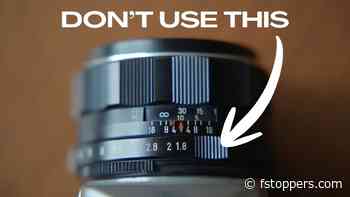 Background blur is usually the first effect you learn to create on purpose, and that early success tends to shape how you shoot for years. The settings you lean on, from aperture to shutter speed to exposure mode, decide whether your images feel flat or deep long before you open an editor. [Read More]
-
Is Samyang's Compact f/2.8 Zoom Set Worth Carrying?
via Fstoppers Samyang's three f/2.8 zooms, co-designed with Schneider-Kreuznach, cover 14mm to 180mm on Sony full frame bodies while stepping away from the familiar 16-35mm, 24-70mm, and 70-200mm ranges. Trimming a few millimeters here and adding a few there is how a lens maker cuts size, weight, and price, and those are the things that decide whether a lens leaves your house or stays on the shelf. [Read More]
-
Is the Nikon ZR Enough Reason to Switch to Nikon for Video?
via Fstoppers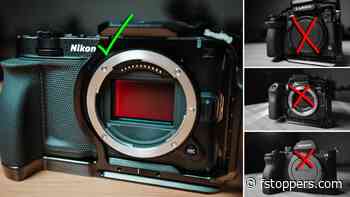 Nikon now owns RED, and the first camera to come out of that deal is the Nikon ZR, a compact body that records RED's raw codec for a little over $2,000. If you shoot video for clients or your own films, that pairing puts a codec once tied to cinema camera budgets inside a body small enough to balance on a basic gimbal. [Read More]
-
The Hurricane Katrina 'Looting' Photo Controversy and What It Still Teaches Us About Writing Captions
via Fstoppers Getty Images image number 53509740 is still on Getty's site today, and the caption still reads: "Two residents wade through chest deep water after finding bread and soda from a local grocery store after Hurricane Katrina came through the area on August 29, 2005 in New Orleans, Louisiana." An Associated Press frame of a young Black man in chest-deep water, carrying what looks like a case of Pepsi under one arm and a full garbage bag, said he was looting. Two decades of argument later, the disput
-
Hands On With the Light Lens Lab 35mm Double Ashperical Lens
via Fstoppers Every Leica shooter has a dream lens they would love to buy. Price is usually the obstacle, but sometimes that lens is not only expensive but rare as well. Perhaps no other Leica lens is more sought after than the Summilux-M 35mm f/1.4 with the word “Aspherical” written in full on the rim. It is unlikely you will ever own this lens, but there is an alternative option in the form of the Light Lens Lab 35mm f/1.4 Aspherical “11873”. [Read More]
-
How Nikon's Flagship 85mm f/1.2 Holds Up Against New Rivals
via Fstoppers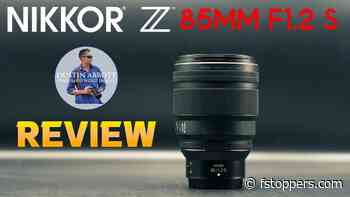 Nikon's NIKKOR Z 85mm f/1.2 S sells for close to $3,000 and weighs more than many of the bodies you'd mount it on. For about three years, it has been the obvious pick on Z mount if you want the thinnest depth of field and the cleanest portrait rendering, and now cheaper third-party 85mm f/1.2 lenses are showing up to test how long that lasts. [Read More]
-
How to Make Someone Comfortable in Front of Your Camera
via Fstoppers Stiff portraits usually come from a subject who feels watched and unsure, and no lens or lighting setup hides that tension once it settles into someone's shoulders and face. If you photograph people who aren't professional models, how relaxed they feel shapes nearly every frame you take. [Read More]
-
Does Lightroom's Open Eyes Feature Actually Look Natural?
via Fstoppers Lightroom can now open closed eyes in a photo, a job that used to mean digging through a burst for a donor frame and blending it in by hand in Photoshop. If you shoot portraits, events, or group photos, a blink is one of the most common reasons a frame with good expression and good light lands in the reject pile. [Read More]
-
Is the Nikon Z5IIC a Better Deal Than the Sony a7CR?
via Fstoppers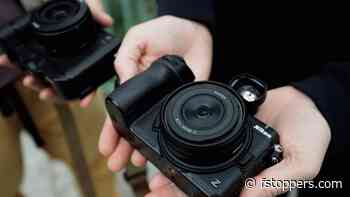 The Nikon Z5IIC puts a full frame sensor, in-body stabilization, and raw video into a $1,400 body by dropping the viewfinder, and people argued about that choice before most of them had held one. If you shoot weddings or travel, or if you're weighing a second body, the useful question is how that missing eyepiece and a pricier compact Sony rival play out over a real day of shooting. [Read More]
-
A National Archives Archivist Enlarged a Mislabeled Glass Plate in 1952 and Found Lincoln at Gettysburg
via Fstoppers The National Archives still lists the negative as "Crowd of citizens, soldiers, and etc. with Abraham Lincoln at Gettysburg." Everything before the president's name is the label the plate wore in federal storage for most of a century. The rest is there because Josephine Cobb enlarged a broken piece of glass about 20 times in 1952 and found him in it. [Read More]
-
Comparing Peak Design’s Travel and Pro Tripods: Which One Is For You?
via Fstoppers Peak Design's Travel Tripod is probably one of the most talked-about tripods on this site, and opinions have been polarized. Since the brand has expanded its tripod lineup with three new Pro models, it's clearly important that we see their differences and optimal use cases. [Read More]
-
The Great Tripod Debate: Twist Locks or Lever Locks?
via Fstoppers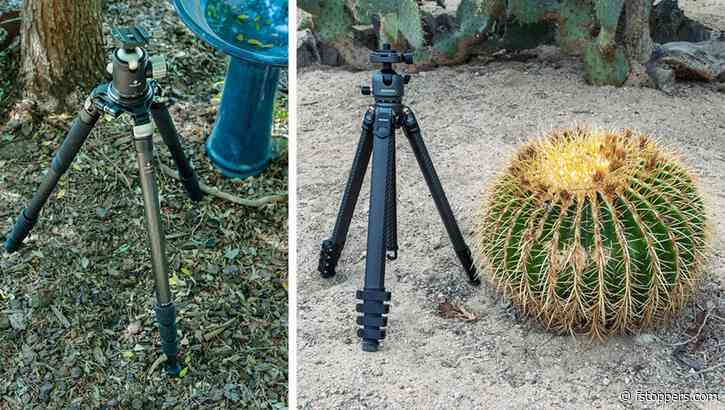 You've noticed that tripods come with two basic kinds of locks: twist locks and lever locks. They're quite different. Which should you purchase? I'll tell you my experiences and observations. Twist Locks The Robus RC-5570 has high-quality twist locks.I generally like twist locks, or collar locks, but I feel that you have to really go out of your way to make sure that they are locked down because occasionally, if you are not careful, they can slip.[Read More]
-
Is the Canon RF 85mm f/1.2L Really the King of Portrait Lenses?
via Fstoppers Ask a room full of people to name the best portrait lens, and most will point to something like the Canon RF 85mm f/1.2L USM, with its reputation for sharpness, flattering perspective on faces, and heavy background blur. If you're about to spend serious money on portrait glass, ask whether that reputation fits the rooms you work in and the apertures you actually use. [Read More]
-
The Most Important Camera Setting You're Not Using
via Fstoppers Any modern digital camera has thousands of settings and more features than most individual photographers will ever use. But there are some settings that photographers of all genres can benefit from using. One of the most overused terms in photography is "game-changing." It seems like every time a new piece of gear is announced, whether it's a camera, lens, strobe, modifier, tripod, or lens cloth, someone is out there to tell you why you need it and why it's going to revolutionize your phot
-
DXO ViewPoint 6 Offers Image Correction Without Crops
via Fstoppers DxO has been busy lately, updating its collection of apps, giving them new capabilities and gently using AI to keep the photographer in control while making editing easier. Today, DxO is announcing ViewPoint 6, the latest version of its software for correcting geometry, perspective, and distortion. Version 6 brings AI masks to ReShape Fusion, the tool for adjusting the components of a scene from within the frame. Photographers can now concentrate a geometric correction on a single element
-
How the Canon EOS R6 Mark III Holds Up After a Year of Paid Work
via Fstoppers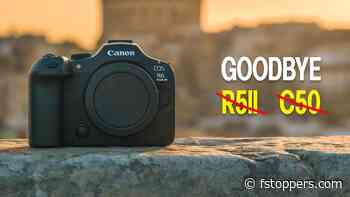 The Canon EOS R6 Mark III sits in the middle of Canon's mirrorless lineup, yet its feature list now overlaps with both the higher-resolution R5 Mark II and Canon's Cinema EOS bodies. If you shoot stills and video for a living, that overlap decides how many bodies you buy, carry, and maintain. [Read More]
-
Should Your Next Filmmaking Camera Be a Lumix?
via Fstoppers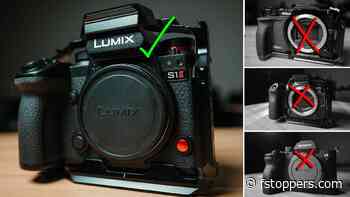 Picking a camera system for video locks you into a mount, a lens lineup, and a manufacturer's release schedule for years, and the features a brand ships early tend to shape how you work long after the purchase. Panasonic's Lumix bodies rarely dominate filmmaking gear talk, even though several capabilities now drawing attention elsewhere have lived inside them for a long time. [Read More]
-
Is Panasonic's $400 Lumix S 40mm f/2 Worth It?
via Fstoppers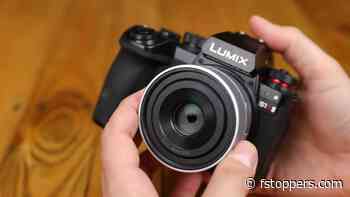 At $400, the Panasonic Lumix S 40mm f/2 is one of the least expensive ways to put an official autofocus prime on an L-mount body. A 40mm sits between the standard 35mm and 50mm choices, and a lens this small and cheap has a good chance of becoming the one that never leaves your camera. [Read More]
-
Connecticut Wrote Six Rules for Photoshopped Evidence in 2004 and Kept an Innocent Man in Prison Anyway
via Fstoppers A judge in Hartford wanted to know how the computer had made a set of plaster teeth semi-transparent so they could be laid over an autopsy photograph of a murdered woman's breast. "Judge, you got me," the state's forensic odontologist answered. "I don't know how they do it, but they do it," he said, and then, "I think we really need an engineer." [Read More]
-
Most Photographers Probably Overlook the Importance of This Lens
via Fstoppers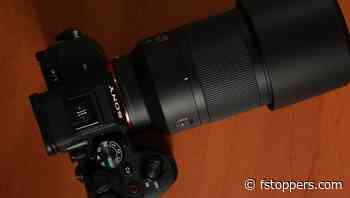 There’s a special role that affordable lenses play in the grand scheme of things, especially those that don’t compromise too much on optics. This new lens, while smaller than most of its kind, is sure to open many doors. [Read More]
-
Is the Sony 20-70mm f/4 G the Do-Everything Zoom for the Mountains?
via Fstoppers The Sony FE 24-50mm f/2.8 G and FE 20-70mm f/4 G both promise a smaller standard zoom, and each one asks you to give up something different to get there. If you carry a camera into the mountains for hours at a time, the choice between extra width, extra reach, and an extra stop of light shapes nearly every frame you bring home. [Read More]
-
Landscape Photography Beliefs Worth Questioning, From Gear to Fame
via Fstoppers Most people start landscape photography already believing a few things: you need a wide angle lens, a tripod goes everywhere with you, and a strong portfolio might eventually pay for itself. Those beliefs decide what you buy, where you travel, and how you judge your own progress, and several of them don't hold up once you've spent real time in the field. [Read More]
-
Should You Fix a Vintage Lens' Flaws in Lightroom?
via Fstoppers Adapting a vintage lens to a mirrorless body gets you inexpensive, well-built glass with a look modern optics rarely have, and it also brings purple fringing, darkened corners, and lines that bow at the edges. Every one of those flaws can be pushed around in Lightroom, so each one becomes a decision about how much of the old lens you keep in the final file. [Read More]
-
How to Find Compositions When a Location Overwhelms You
via Fstoppers You arrive somewhere beautiful, raise the camera, and every frame comes back looking like a postcard someone else already took. Too much to look at can stall your composition faster than too little, and the fix often starts with seeing less of the scene through a viewfinder, a long lens, or an in-camera crop mode. [Read More]
-
The Image Stabilization Rating on Your 2026 Camera Comes From a Shaker Table, Not a Human Hand
via Fstoppers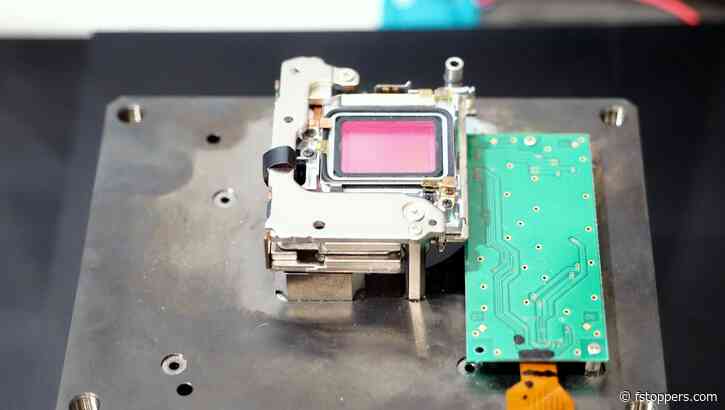 Canon rates the EOS R6 Mark III at up to 8.5 stops of stabilization at the center of the frame and 7.5 stops at the periphery, depending on the lens. The footnote under that number says it was measured under the CIPA 2024 standard with an RF 24-105mm F2.8 L IS USM Z at 105mm. The footnote leaves out that the camera was bolted to a vibrating platform roughly two meters from a printed chart, in a room held near 23 degrees Celsius, and that the rating comes from at least 200 frames shot at every s
-
Are Inflatable LED Lights Actually Any Good?
via Fstoppers Inflatable LED lights are one of those ideas that sound gimmicky. A soft, glowing tube you inflate like a pool toy, then use to light a portrait or paint with color in the dark. It's the kind of gadget that could easily be all novelty and no substance. I wanted to answer a simple question for myself: do these things actually deliver usable results, or are they just a throwaway item destined for the back of a drawer? I tested the Neewer GC30C Inflatable LED Light to find out. [Read More]
Follow @Photography_Nws on Twitter!