

✗ Close categories
 Addiction
Apple
Apps & Smartphones
Arts
Asia News
Bollywood
Books
Business
Cars
Celebrity
China
Cinema, Theater & TV
Coronavirus
Culture
Digital
Ebola
Economy
Education
Electronics
Entertainment
Environment
Europe
Fashion
Finance
Food
Funny videos
Gadgets
Games
General News
Health
Hollywood
International Crime
Jobs
Leisure
Lifestyle
Middle East
Military
Mindfulness
Movies
Music
Nature
News videos
NewsPhoto
Nightlife
Olympics
Organized Crime
Pakistan
Politics
Psychology
Recipes
Religious
Sci-Tech
Science
Sex & Relationships
Showbizz
Social media
South Asia
Sports
Technology
Television
Title
Traffic
Travel
Trending UK
UK News
Weather
World News
✗ Close categories
Addiction Apple Apps & Smartphones Arts Asia News Bollywood Books Business Cars Celebrity China Cinema, Theater & TV Coronavirus Culture Digital Ebola Economy Education Electronics Entertainment Environment Europe Fashion Finance Food Funny videos Gadgets Games General News Health Hollywood International Crime Jobs Leisure Lifestyle Middle East Military Mindfulness Movies Music Nature News videos NewsPhoto Nightlife Olympics Organized Crime Pakistan Politics Psychology Recipes Religious Sci-Tech Science Sex & Relationships Showbizz Social media South Asia Sports Technology Television Title Traffic Travel Trending UK UK News Weather World News✗ Close categories
✗ Close categories
American football
Archery
Athletics and triathlon
Badminton
Bandy
Baseball and softball
Basketball
Billiards and snooker
Boxing
Chess
Cricket
Cycling
Equestrian sports
Field hockey
Floorball
Football
Formula 1
Gilli-danda
Goa
Golf
Gymnastics
Handball
Hockey
Ice hockey
Indian Martial Arts
Jalikattu
Kabaddi
Kancha
Karate
Kayaking
Kho-kho
Kite-flying
Korfball
Lacrosse
Motorsports
Netball
Polo
Rock climbing
Rugby
Sepak takraw
Seval Sandai
Table tennis
Taekwondo
Tennis
Throwball
Traditional and regional sports
Volleyball
Weightlifting and powerlifting
Winter sports
Wrestling
✗ Close categories
American football Archery Athletics and triathlon Badminton Bandy Baseball and softball Basketball Billiards and snooker Boxing Chess Cricket Cycling Equestrian sports Field hockey Floorball Football Formula 1 Gilli-danda Goa Golf Gymnastics Handball Hockey Ice hockey Indian Martial Arts Jalikattu Kabaddi Kancha Karate Kayaking Kho-kho Kite-flying Korfball Lacrosse Motorsports Netball Polo Rock climbing Rugby Sepak takraw Seval Sandai Table tennis Taekwondo Tennis Throwball Traditional and regional sports Volleyball Weightlifting and powerlifting Winter sports Wrestling✗ Close categories
✗ Close categories
Agartala
Agra
Ahmedabad
Ajitgarh
Ajmer
Alappuzha
Aligarh
Allahabad
Alwar
Ambala Cantt
Ambarnath
Amritsar
Anand
Anantapur
Angul
Ankleshwar
Aurangabad
Baddi
Badlapur
Bangalore
Barddhaman
Bareilly
Barnala
Bathinda
Belgaum
Bellary
Bharuch
Bhavnagar
Bhilai
Bhimavaram
Bhiwandi
Bhopal
Bhubaneswar
Bhuj
Bijapur
Bikaner
Bilaspur
Boisar
Bokaro Steel City
Brahmapur
Chandigarh
Chengannur
Chennai
Chittoor
Coimbatore
Cuttack
Dehradun
Dhanbad
Dharamsala
Dharwad
Dhule
Dibrugarh
Dindigul
Dombivli
Durgapur
Eluru
English Bazar
Ernakulam
Erode
Faridabad
Ferozepur
Gandhidham
Gandhinagar
Ghaziabad
Girinagar
Gorakhpur
Greater Noida
Gulbarga
Guntur
Gurgaon
Guwahati
Gwalior
Haldwani
Haridwar
Hisar
Hoshiarpur
Hospet
Hosur
Howrah
Hubballi
Hyderabad
Imphal
Indore
Jabalpur
Jaipur
Jalandhar
Jalgaon
Jammu
Jamnagar
Jamshedpur
Jhansi
Jharsuguda
Jodhpur
Kakinada
Kakkanad
Kalyan
Kangra
Kannur
Kanpur
Karaikkudi
Karimnagar
Karnal
Karur
Khammam
Kharagpur
Kochi
Kolhapur
Kolkata
Kollam
Korba
Kota
Kottayam
Kozhikode
Kurnool
Kurukshetra
Latur
Lucknow
Ludhiana
Madurai
Mangalore
Manipal
Margao
Mathura
Mavelikara
Meerut
Mehsana
Mira Bhayandar
Moradabad
Mullana
Mumbai
Mysore
Nadiad
Nagercoil
Nagpur
Namakkal
Nanded
Nashik
Navi Mumbai
Navsari
Nellore
New Delhi
Nizamabad
Noida
Ongole
Palakkad
Panaji
Panipat
Pathanamthitta
Patiala
Patna
Pilani
Pimpri Chinchwad
Puducherry
Pune
Purnia
Raigarh
Raipur
Rajahmundry
Rajkot
Ranchi
Raysan
Rishikesh
Rohtak
Roorkee
Rourkela
Rudrapur
Sagar
Salem
Samastipur
Sambalpur
Sangrur
Satara
Satna
Secunderabad
Shillong
Shimla
Shimoga
Silchar
Siliguri
Sivakasi
Solapur
Sonipat
Srinagar
Surat
Tezpur
Thane
Thanjavur
Thiruvananthapuram
Thoothukudi
Thrissur
Tiruchirappalli
Tirunelveli
Tirupati
Tiruppur
Udaipur
Udupi
Ulhasnagar
Unnao
Vadodara
Valsad
Vapi
Varanasi
Vasai
Vasco da Gama
Vellore
Vijayawada
Virar
Virudhunagar
Visakhapatnam
Warangal
Yamuna Nagar
✗ Close categories
Agartala Agra Ahmedabad Ajitgarh Ajmer Alappuzha Aligarh Allahabad Alwar Ambala Cantt Ambarnath Amritsar Anand Anantapur Angul Ankleshwar Aurangabad Baddi Badlapur Bangalore Barddhaman Bareilly Barnala Bathinda Belgaum Bellary Bharuch Bhavnagar Bhilai Bhimavaram Bhiwandi Bhopal Bhubaneswar Bhuj Bijapur Bikaner Bilaspur Boisar Bokaro Steel City Brahmapur Chandigarh Chengannur Chennai Chittoor Coimbatore Cuttack Dehradun Dhanbad Dharamsala Dharwad Dhule Dibrugarh Dindigul Dombivli Durgapur Eluru English Bazar Ernakulam Erode Faridabad Ferozepur Gandhidham Gandhinagar Ghaziabad Girinagar Gorakhpur Greater Noida Gulbarga Guntur Gurgaon Guwahati Gwalior Haldwani Haridwar Hisar Hoshiarpur Hospet Hosur Howrah Hubballi Hyderabad Imphal Indore Jabalpur Jaipur Jalandhar Jalgaon Jammu Jamnagar Jamshedpur Jhansi Jharsuguda Jodhpur Kakinada Kakkanad Kalyan Kangra Kannur Kanpur Karaikkudi Karimnagar Karnal Karur Khammam Kharagpur Kochi Kolhapur Kolkata Kollam Korba Kota Kottayam Kozhikode Kurnool Kurukshetra Latur Lucknow Ludhiana Madurai Mangalore Manipal Margao Mathura Mavelikara Meerut Mehsana Mira Bhayandar Moradabad Mullana Mumbai Mysore Nadiad Nagercoil Nagpur Namakkal Nanded Nashik Navi Mumbai Navsari Nellore New Delhi Nizamabad Noida Ongole Palakkad Panaji Panipat Pathanamthitta Patiala Patna Pilani Pimpri Chinchwad Puducherry Pune Purnia Raigarh Raipur Rajahmundry Rajkot Ranchi Raysan Rishikesh Rohtak Roorkee Rourkela Rudrapur Sagar Salem Samastipur Sambalpur Sangrur Satara Satna Secunderabad Shillong Shimla Shimoga Silchar Siliguri Sivakasi Solapur Sonipat Srinagar Surat Tezpur Thane Thanjavur Thiruvananthapuram Thoothukudi Thrissur Tiruchirappalli Tirunelveli Tirupati Tiruppur Udaipur Udupi Ulhasnagar Unnao Vadodara Valsad Vapi Varanasi Vasai Vasco da Gama Vellore Vijayawada Virar Virudhunagar Visakhapatnam Warangal Yamuna Nagar✗ Close categories

-
Is AI going to 'kill everyone' in ten years?
 Hopefully, whatever version of doomsday the AI world is worried about waits until after Avengers: Doomsday, because after all the multiverse nonsense and speculation about how Robert Downey Jr is going to return to the MCU as Doctor Doom, one really wants to watch Kevin Feige explain that before artificial intelligence kills everyone.


-
In 2016, NSW began fencing feral cats and foxes out of three reserves; 10 years later...
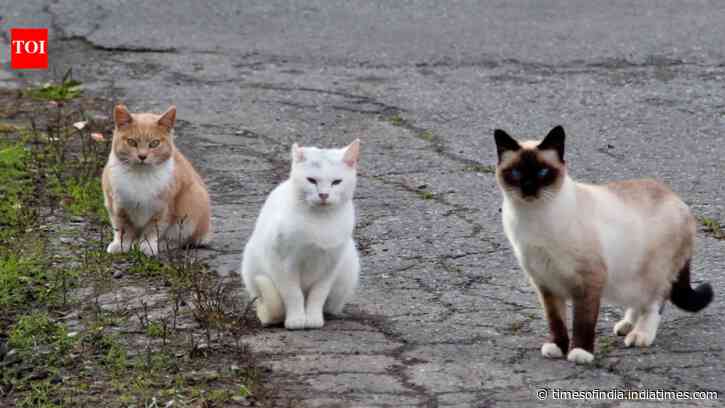 Thirteen native animal species have returned to New South Wales conservation reserves after a decade.These species had been locally extinct and are now breeding successfully within predator-proof fences.This conservation success is the result of a ten-year partnership involving government and scientific organizations.The state has now extended this vital conservation agreement for another ten years.Future efforts will focus on expanding these reintroductions beyond fenced areas.
-
In 2015, Hawaii rescued fragments of a coral found only in Kaneohe Bay; after its wild colonies...
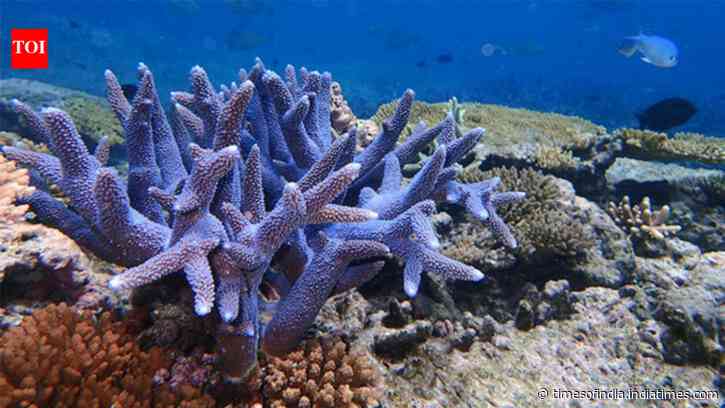 Marine biologists rescued rare Hawaiian coral fragments from Kaneohe Bay in 2015.These fragments were grown into mature colonies using a land-based nursery method.The grown corals were then returned to their natural habitat in Kaneohe Bay.Field checks confirmed the reintroduced corals successfully adjusted to their surroundings.This project demonstrates the effectiveness of coral arks for preventing species extinction.
-
28 Tasmanian devils were moved to an island; 3,000 penguin pairs later disappeared
 In 2012, 28 Tasmanian devils were introduced to Maria Island as an insurance population against facial tumour disease. The devils thrived, reaching up to 90, but experts say their presence came at a heavy cost to local wildlife. A survey later found Maria Island’s little penguin colonies had disappeared, wiping out an estimated 3,000 breeding pairs.
-
Once extinct in the wild, Przewalski’s horses return to China with population topping 900
 The Przewalski’s horse was once extinct in the wild in China. After 40 years of conservation work, its population has reached about 900, with herds in several protected areas now reproducing independently. The species’ return has become a major conservation success, while also preserving an important part of equine evolutionary history.
-
Feather found in dinosaur poop may explain how birds survived the asteroid that killed dinosaurs
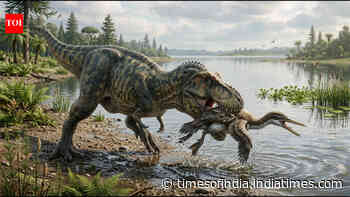 The 66-million-year-old feather found inside fossilised dinosaur poop may offer clues about why some birds survived the asteroid impact that killed most dinosaurs. Researchers found feathers, fish scales and bird bones in the coprolite. The feather’s primitive structure suggests insulation and moulting may have played a role in determining which birds survived.
-
Scientists used centuries-old aurora sightings: their method placed solar minima within 2 years with more than 90% reliability
 Ancient auroras are unlocking secrets of solar activity, offering scientists a glimpse into the Sun's behavior long before our time. By employing a new statistical method to analyze historical sky observations, researchers have pieced together eight distinct cycles of solar activity from 1560 to 1640. This intriguing study correlates well with various independent solar records, enhancing our understanding of solar dynamics pre-dating contemporary measurements.
-
MIT makes water filters from tree branches that remove over 99% of bacteria and viruses
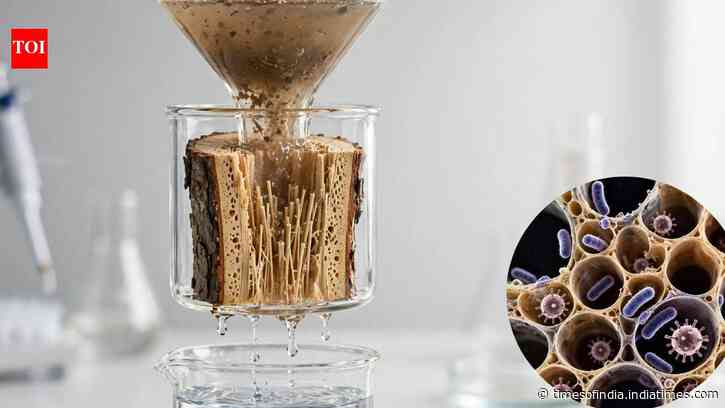 MIT engineers have pioneered an eco-conscious method of producing water filters from tree sapwood. These natural filters successfully eradicate more than 99% of bacteria and viruses found in water. During testing in India, researchers worked closely with local populations to create a user-friendly prototype that is both effective and cost-efficient. This sustainable solution is poised to enhance access to clean drinking water in numerous communities.
-
Scientists collected spider webs in Australia; their DNA revealed vertebrate species nearby
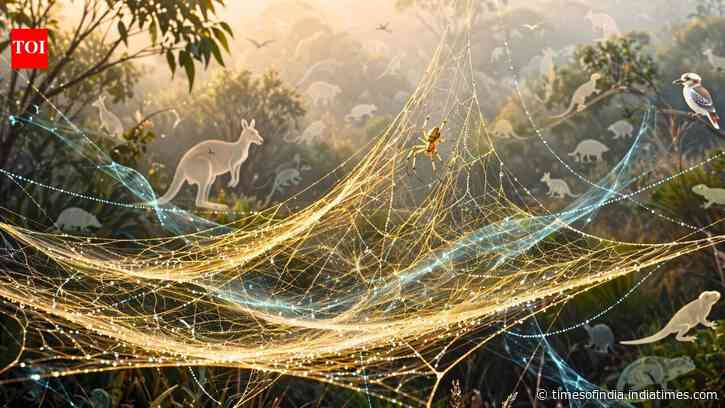 Researchers have discovered that spider webs serve as fascinating collectors of genetic material from nearby vertebrates. In a comprehensive study in Australia, vertebrate DNA was detected across all samples, providing insights into thirty-two species at sanctuaries and sixty-one at zoos. The quantity of detectable DNA varied with animal size and distance, hinting that webs could offer an innovative approach to monitoring wildlife without the need for direct interaction.
-
Scientists removed trout from a California lake, and wildlife began to recover
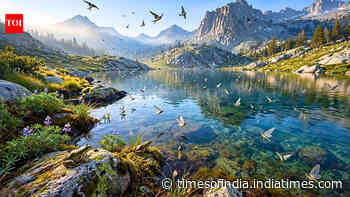 The introduction of trout in Sierra Nevada lakes has had a noteworthy impact on bird populations, leading to a reduction in their numbers. The fish also changed the diversity of bird species present near the water. Additionally, mayflies, an essential part of the birds' diet, declined in lakes with trout.
-
Scientists asked volunteers to live like earthworms and kestrels to rethink human landscapes
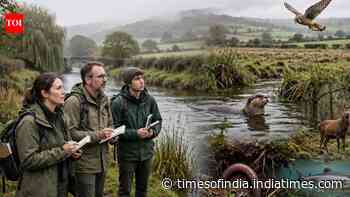 A project involved volunteers experiencing wildlife senses near the River Tone. Participants observed risks to red deer, otters, and other animals. They identified threats like dog activity and train noise impacting wildlife. This approach helps recognize overlooked environmental dangers to animals. The methodology will be used in other communities and settings.
-
India needs to launch the space act it keeps scrubbing
 As India's space industry develops, it urgently needs a Space Act to provide stringent legal support. Initiated in 2020, the opening of this sector, alongside the establishment of IN-SPACe, has highlighted gaps in existing policies. A robust Space Act would not only outline company rights but also enhance regulatory clarity, paving the way for the sector's growth and improved global positioning.
-
Skeleton Found In Roman Jar: archaeologists uncover 1,600-year-old victim; find hints of desperate escape
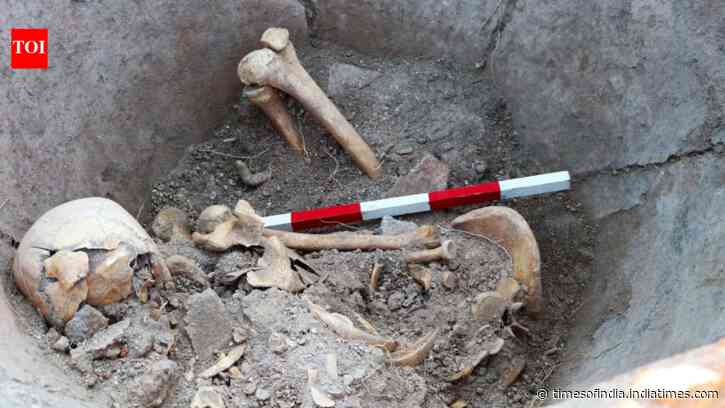 In a remarkable excavation at Deultum, Bulgaria, archaeologists uncovered the remains of a young man entombed within a sizable storage jar. The evidence indicates he sought refuge there during a devastating attack, likely after the flames had already engulfed the area. His plight, frozen in time as the jar was later rebuilt over, provides a poignant glimpse into the terror and desperation of ancient times.
-
Deer Learn To Ignore Deterrents: Human shouts scare best; habituation soon blunts effect
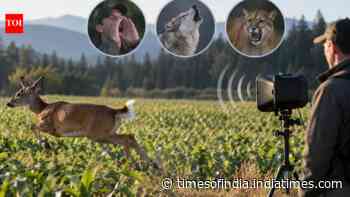 Research indicates that loud human noises and bright lights were effective in driving deer and elk away from crops, while predator sounds and dog barks didn’t have the same effect. Over a period of six weeks, these animals became accustomed to the deterrents, especially those near human activity. Researchers recommend diversifying stimuli and introducing consequences to keep these animals from adapting.
-
In the 1850s, pigs brought to Santa Cruz Island became feral
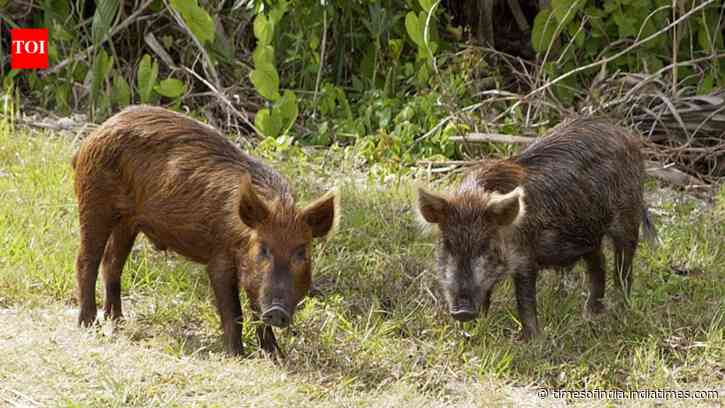 Feral pigs were eradicated from Santa Cruz Island, facilitating a resurgence in fox populations. With bald eagles no longer in the area, golden eagles preyed on the island's foxes. In response, conservationists captured the golden eagles and reintroduced the native bald eagles. A captive breeding initiative safeguarded the remaining island foxes from predators, resulting in a successful revival of the island's native wildlife and ecosystem.
-
For decades, scientists thought North America had a cheetah; DNA links it to pumas 2.6M years ago
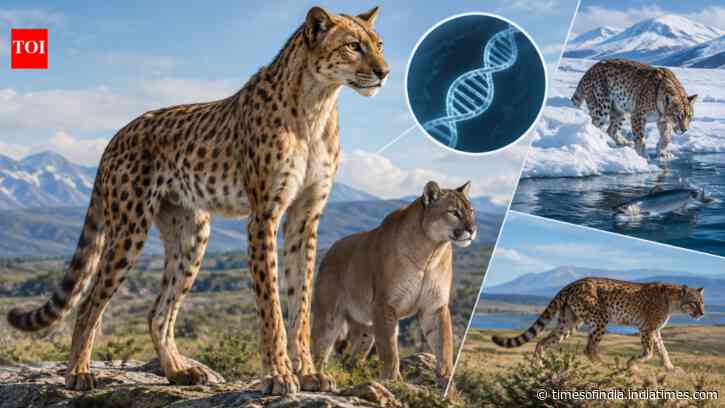 In a groundbreaking revelation, ancient DNA analysis has clarified that Miracinonyx trumani is more closely related to pumas than cheetahs. This extinct cat thrived in North America during the Pleistocene epoch and had the unique ability to fish in colder regions. While its structure suggested agility, evolutionary genetics indicated that convergence was at play, with low genetic variety likely contributing to its disappearance from the ecosystem.
-
Archaeologists found a 1,200-year-old shell island in Fiji, possibly formed from food waste
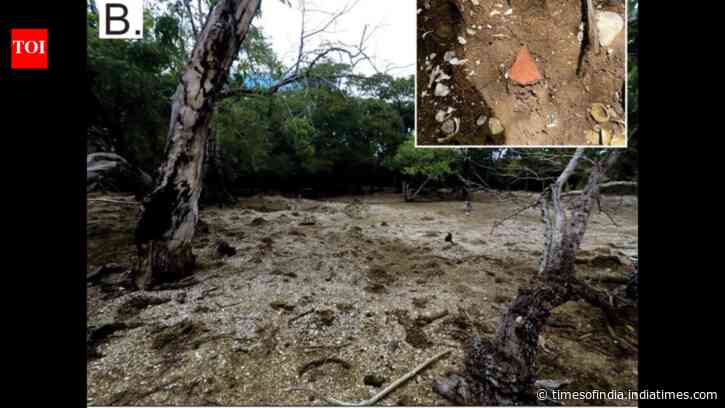 Archaeologists discovered a unique island in Fiji composed mostly of discarded shellfish remains.Radiocarbon dating suggests the island formed around 760 CE from human activity.Researchers believe people processed large amounts of shellfish at this location.This site may represent the first described midden island east of Papua New Guinea.Further surveys will investigate the island's connection to nearby settlements and past events.
-
Former NASA specialist claims he has found a way to overcome Earth's gravity in a 'major discovery'
 A former engineer from NASA has made an exciting claim regarding propulsion technology. His company has engineered a device that generates thrust purely through electric fields, without expelling any mass. This groundbreaking technology has shown consistent improvements in force generation over several years. Upcoming space demonstrations are expected to exhibit the full potential of this cutting-edge innovation.
-
In 2019, scientists shook earthworms and found waves oscillating at half the driving frequency
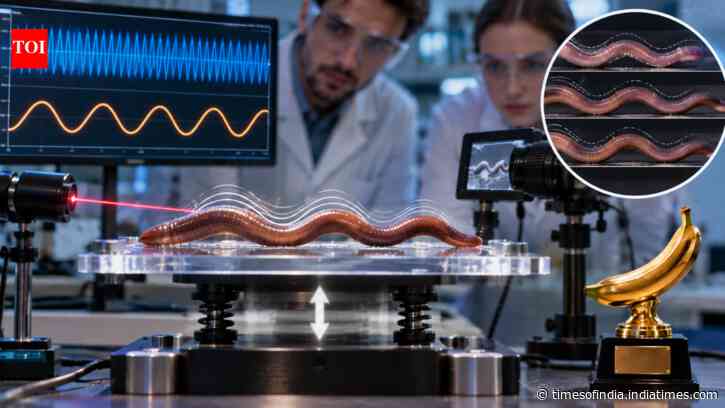 Scientists observed earthworms developing body waves at half driving frequency. Their flexible, water-filled bodies and elastic skin supported these unusual oscillations. This phenomenon resembled waves found in vibrating liquid drops and phantom models. Researchers believe this could help probe biological processes like nerve impulse propagation. The findings suggest nonlinear wave excitation has potential beyond earthworm studies.
-
Scientists fitted GPS collars to 17 lions and 14 hyenas expecting hyenas to follow lions
 A groundbreaking study suggests that it's the male lions that approach spotted hyenas, contrary to the belief that hyenas seek out lion remains for food. In fact, spotted hyenas are known to back away from lions, prioritizing their safety. This finding highlights the importance of spatial avoidance in hyena behavior, emphasizing their adaptive strategies to circumvent confrontations with such powerful hunters.
-
Belize Reef Restoration Effort: Lisa Carne revives storm-hit corals; project outplants 100,000 fragments
 In 2001, Hurricane Iris wreaked havoc on Belize's coral reefs, sparking an innovative restoration effort. Marine biologist Lisa Carne took the lead in replanting coral fragments, which were often neglected. Through her organization, Fragments of Hope, more than 100,000 corals have been successfully restored, resulting in a remarkable boost in coral coverage and marine biodiversity.
-
Snake grows a fake spider on its tail to lure birds; scans reveal surprisingly normal bones inside
 Researchers utilized XCT scanning technology to investigate the unique tail of a viper. The imaging uncovered the presence of standard viper vertebrae within the tail's unusual form. This finding underscores the discrepancies that can exist between external appearance and internal skeletal makeup. Fossilized remains alone may not capture the true look of an organism, while museum specimens remain crucial for advancing our understanding through innovative methods.
-
South China Sea methane leak formed a 1km plume; worms and bacteria built a ‘worm bed’ in 2 years
 A South China Sea drilling incident caused a significant methane leak in 2018.Ocean scientists observed an ecosystem rapidly responding to the underwater gas release.Bacteria and worms quickly formed a methane-munching 'worm bed' within two years.This new biofilter degraded methane effectively, reducing plume height significantly.However, this rapid ecosystem development caused a notable decrease in original microbial diversity.
-
In 1982, Israel released 28 wild donkeys; 44 years later, they created a desert oasis
 In an effort to rejuvenate the parched landscape of Israel's Ramon Crater, wild donkeys were brought back into the ecosystem. These resilient animals played a crucial role by creating waterholes, which became essential for desert wildlife. Additionally, their droppings helped spread acacia seeds, promoting the growth of trees. Their natural movements resulted in water-retaining depressions, significantly transforming the area's ecology into a thriving environment that has caught global attention
-
Dam Removal Restores Creek: Buckhorn Creek flows freely again; volunteers plant trees
 After more than a century, the Buckhorn Creek dam has been dismantled, reviving its original flow for the first time in 125 years. A modern ninety-foot bridge now crosses the creek, enhancing access for trail enthusiasts. This ecological restoration significantly improves aquatic habitats, particularly supporting brook trout populations. Additionally, volunteers will introduce native plants along the banks to help stabilize the soil.
-
Meet Vivian Liu, the 17-year-old who turned origami into a kindness movement across 50 nations
 Vivian Liu has turned origami into a powerful global movement for kindness. Thousands of passionate young volunteers are making beautiful paper art to support those facing hardships. With more than 300 chapters in 50 countries, Origami For Good empowers youth with leadership skills and environmental consciousness, proving that even the smallest handcrafted items can create a profound and positive impact across the globe.
-
In 1989, Britain began reintroducing red kites after persecution left fewer than 10 breeding pairs
 Once teetering on the brink of extinction, the red kite has staged a stunning comeback in Britain. Thanks to reintroduction efforts that began in 1989, with birds transported from Spain and Sweden, their population has surged astronomically—surpassing a 2,600 percent increase since 1995. These magnificent raptors are now found across England, Scotland, Wales, and Northern Ireland, although conservationists remain vigilant against potential threats to their continued survival.
-
Scientists found a way to turn egg and rice waste into a material that can store electricity
 Researchers transformed egg and rice waste into a porous carbon material. This material, rich in nitrogen and oxygen, shows promise for energy storage. The developed carbon possesses a three-dimensional honeycomb structure with a high surface area. It demonstrated effective performance when tested in a supercapacitor device. This innovation offers a sustainable method for recycling food waste into functional materials.
-
Meet Yuvi Agarwal, the 12-year-old who plays music for shelter animals to help calm them
 Yuvi Agarwal started Wild Tunes, a non-profit bringing musicians to animal shelters.This initiative aims to reduce stress and create positive human associations for pets.Volunteer musicians perform live music, helping animals feel more comfortable and relaxed.The program has expanded to multiple states, involving many volunteers.This effort improves adoption chances and builds musician confidence.
-
A 5,000-year-old skeleton had mysterious blue pigment; scientists seek its origin
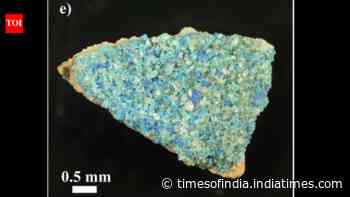 Ancient Egyptian blue pigment's complex nature is revealed by scientific study.Researchers recreated the pigment to understand its variable color and composition.The blue's hue depended on cuprorivaite and other minerals present.Particle size and glass content also influenced the pigment's final appearance.These findings offer new insights into ancient Egyptian manufacturing and trade practices.