


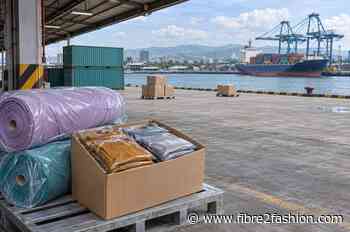
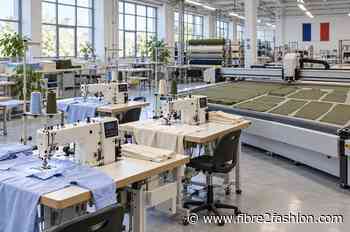
Philippines’ combined textile and apparel imports fell 4.65 per cent year on year to $1.662 billion in January–September 2026, while exports slipped 0.38 per cent to $765.82 million, PSA data showed.
Textile yarn, fabric and made-up imports dropped 8.50 per cent, outweighing higher apparel imports.
September trade improved, with imports up 1.90 per cent and exports up 1.42 per cent year on year.
✗ Close categories
 Addiction
Apple
Apps & Smartphones
Arts
Asia News
Bollywood
Books
Business
Cars
Celebrity
China
Cinema, Theater & TV
Coronavirus
Culture
Digital
Ebola
Economy
Education
Electronics
Entertainment
Environment
Europe
Fashion
Finance
Food
Funny videos
Gadgets
Games
General News
Health
Hollywood
International Crime
Jobs
Leisure
Lifestyle
Middle East
Military
Mindfulness
Movies
Music
Nature
News videos
NewsPhoto
Nightlife
Olympics
Organized Crime
Pakistan
Politics
Psychology
Recipes
Religious
Sci-Tech
Science
Sex & Relationships
Showbizz
Social media
South Asia
Sports
Technology
Television
Title
Traffic
Travel
Trending UK
UK News
Weather
World News
✗ Close categories
Addiction Apple Apps & Smartphones Arts Asia News Bollywood Books Business Cars Celebrity China Cinema, Theater & TV Coronavirus Culture Digital Ebola Economy Education Electronics Entertainment Environment Europe Fashion Finance Food Funny videos Gadgets Games General News Health Hollywood International Crime Jobs Leisure Lifestyle Middle East Military Mindfulness Movies Music Nature News videos NewsPhoto Nightlife Olympics Organized Crime Pakistan Politics Psychology Recipes Religious Sci-Tech Science Sex & Relationships Showbizz Social media South Asia Sports Technology Television Title Traffic Travel Trending UK UK News Weather World News✗ Close categories
✗ Close categories
American football
Archery
Athletics and triathlon
Badminton
Bandy
Baseball and softball
Basketball
Billiards and snooker
Boxing
Chess
Cricket
Cycling
Equestrian sports
Field hockey
Floorball
Football
Formula 1
Gilli-danda
Goa
Golf
Gymnastics
Handball
Hockey
Ice hockey
Indian Martial Arts
Jalikattu
Kabaddi
Kancha
Karate
Kayaking
Kho-kho
Kite-flying
Korfball
Lacrosse
Motorsports
Netball
Polo
Rock climbing
Rugby
Sepak takraw
Seval Sandai
Table tennis
Taekwondo
Tennis
Throwball
Traditional and regional sports
Volleyball
Weightlifting and powerlifting
Winter sports
Wrestling
✗ Close categories
American football Archery Athletics and triathlon Badminton Bandy Baseball and softball Basketball Billiards and snooker Boxing Chess Cricket Cycling Equestrian sports Field hockey Floorball Football Formula 1 Gilli-danda Goa Golf Gymnastics Handball Hockey Ice hockey Indian Martial Arts Jalikattu Kabaddi Kancha Karate Kayaking Kho-kho Kite-flying Korfball Lacrosse Motorsports Netball Polo Rock climbing Rugby Sepak takraw Seval Sandai Table tennis Taekwondo Tennis Throwball Traditional and regional sports Volleyball Weightlifting and powerlifting Winter sports Wrestling✗ Close categories
✗ Close categories
Agartala
Agra
Ahmedabad
Ajitgarh
Ajmer
Alappuzha
Aligarh
Allahabad
Alwar
Ambala Cantt
Ambarnath
Amritsar
Anand
Anantapur
Angul
Ankleshwar
Aurangabad
Baddi
Badlapur
Bangalore
Barddhaman
Bareilly
Barnala
Bathinda
Belgaum
Bellary
Bharuch
Bhavnagar
Bhilai
Bhimavaram
Bhiwandi
Bhopal
Bhubaneswar
Bhuj
Bijapur
Bikaner
Bilaspur
Boisar
Bokaro Steel City
Brahmapur
Chandigarh
Chengannur
Chennai
Chittoor
Coimbatore
Cuttack
Dehradun
Dhanbad
Dharamsala
Dharwad
Dhule
Dibrugarh
Dindigul
Dombivli
Durgapur
Eluru
English Bazar
Ernakulam
Erode
Faridabad
Ferozepur
Gandhidham
Gandhinagar
Ghaziabad
Girinagar
Gorakhpur
Greater Noida
Gulbarga
Guntur
Gurgaon
Guwahati
Gwalior
Haldwani
Haridwar
Hisar
Hoshiarpur
Hospet
Hosur
Howrah
Hubballi
Hyderabad
Imphal
Indore
Jabalpur
Jaipur
Jalandhar
Jalgaon
Jammu
Jamnagar
Jamshedpur
Jhansi
Jharsuguda
Jodhpur
Kakinada
Kakkanad
Kalyan
Kangra
Kannur
Kanpur
Karaikkudi
Karimnagar
Karnal
Karur
Khammam
Kharagpur
Kochi
Kolhapur
Kolkata
Kollam
Korba
Kota
Kottayam
Kozhikode
Kurnool
Kurukshetra
Latur
Lucknow
Ludhiana
Madurai
Mangalore
Manipal
Margao
Mathura
Mavelikara
Meerut
Mehsana
Mira Bhayandar
Moradabad
Mullana
Mumbai
Mysore
Nadiad
Nagercoil
Nagpur
Namakkal
Nanded
Nashik
Navi Mumbai
Navsari
Nellore
New Delhi
Nizamabad
Noida
Ongole
Palakkad
Panaji
Panipat
Pathanamthitta
Patiala
Patna
Pilani
Pimpri Chinchwad
Puducherry
Pune
Purnia
Raigarh
Raipur
Rajahmundry
Rajkot
Ranchi
Raysan
Rishikesh
Rohtak
Roorkee
Rourkela
Rudrapur
Sagar
Salem
Samastipur
Sambalpur
Sangrur
Satara
Satna
Secunderabad
Shillong
Shimla
Shimoga
Silchar
Siliguri
Sivakasi
Solapur
Sonipat
Srinagar
Surat
Tezpur
Thane
Thanjavur
Thiruvananthapuram
Thoothukudi
Thrissur
Tiruchirappalli
Tirunelveli
Tirupati
Tiruppur
Udaipur
Udupi
Ulhasnagar
Unnao
Vadodara
Valsad
Vapi
Varanasi
Vasai
Vasco da Gama
Vellore
Vijayawada
Virar
Virudhunagar
Visakhapatnam
Warangal
Yamuna Nagar
✗ Close categories
Agartala Agra Ahmedabad Ajitgarh Ajmer Alappuzha Aligarh Allahabad Alwar Ambala Cantt Ambarnath Amritsar Anand Anantapur Angul Ankleshwar Aurangabad Baddi Badlapur Bangalore Barddhaman Bareilly Barnala Bathinda Belgaum Bellary Bharuch Bhavnagar Bhilai Bhimavaram Bhiwandi Bhopal Bhubaneswar Bhuj Bijapur Bikaner Bilaspur Boisar Bokaro Steel City Brahmapur Chandigarh Chengannur Chennai Chittoor Coimbatore Cuttack Dehradun Dhanbad Dharamsala Dharwad Dhule Dibrugarh Dindigul Dombivli Durgapur Eluru English Bazar Ernakulam Erode Faridabad Ferozepur Gandhidham Gandhinagar Ghaziabad Girinagar Gorakhpur Greater Noida Gulbarga Guntur Gurgaon Guwahati Gwalior Haldwani Haridwar Hisar Hoshiarpur Hospet Hosur Howrah Hubballi Hyderabad Imphal Indore Jabalpur Jaipur Jalandhar Jalgaon Jammu Jamnagar Jamshedpur Jhansi Jharsuguda Jodhpur Kakinada Kakkanad Kalyan Kangra Kannur Kanpur Karaikkudi Karimnagar Karnal Karur Khammam Kharagpur Kochi Kolhapur Kolkata Kollam Korba Kota Kottayam Kozhikode Kurnool Kurukshetra Latur Lucknow Ludhiana Madurai Mangalore Manipal Margao Mathura Mavelikara Meerut Mehsana Mira Bhayandar Moradabad Mullana Mumbai Mysore Nadiad Nagercoil Nagpur Namakkal Nanded Nashik Navi Mumbai Navsari Nellore New Delhi Nizamabad Noida Ongole Palakkad Panaji Panipat Pathanamthitta Patiala Patna Pilani Pimpri Chinchwad Puducherry Pune Purnia Raigarh Raipur Rajahmundry Rajkot Ranchi Raysan Rishikesh Rohtak Roorkee Rourkela Rudrapur Sagar Salem Samastipur Sambalpur Sangrur Satara Satna Secunderabad Shillong Shimla Shimoga Silchar Siliguri Sivakasi Solapur Sonipat Srinagar Surat Tezpur Thane Thanjavur Thiruvananthapuram Thoothukudi Thrissur Tiruchirappalli Tirunelveli Tirupati Tiruppur Udaipur Udupi Ulhasnagar Unnao Vadodara Valsad Vapi Varanasi Vasai Vasco da Gama Vellore Vijayawada Virar Virudhunagar Visakhapatnam Warangal Yamuna Nagar✗ Close categories
-
Philippines' textile & apparel imports fall 4.65% in Jan-Sept 2026


-
Philippines' manufacturing PMI falls to 49.1 in October
 Philippines manufacturing PMI dropped to 49.1 in October from 49.6 in September, signalling a second straight monthly deterioration in factory conditions, S&P Global said.
Output and new orders stayed in contraction, while purchasing activity fell at the fastest pace in 11 months.
Employment declined again, but business confidence rebounded to a near two-year high.
-
Netherlands' inflation at 3.7% in October flash estimate
 Dutch consumer prices rose 3.7 per cent year on year in October 2026, with CPI up 0.7 per cent from September, Statistics Netherlands said.
October prices have averaged 0.5 per cent above September over 10 years, but seasonal effects influence month-on-month readings.
For retail and sourcing teams, it cited temporary clothing sale prices; HICP inflation rose to 3.3 per cent from 3.0 per cent.
-
I-CA CEPA: Can Indonesian exporters turn tariff relief into growth?
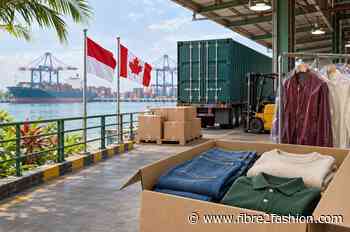 Indonesia’s trade pact with Canada is set to improve access for garment exporters when it takes effect on December 1, 2026.
Canada will liberalise 90.55 per cent of tariff lines, with apparel duties projected to fall from 17.2 per cent to 0.1 per cent.
The assessment estimates C$70.5 million in annual apparel tariff savings and a 38.9 per cent first-year rise in imports from Indonesia.
-
Vietnam’s trade surplus climbs sharply to $7.31 bn in October
 Vietnam recorded a $7.31 billion trade surplus in October after a $1.3 billion surplus in September, its second consecutive monthly surplus in 2026, NSO data showed.
October trade reached $122.03 billion, up 3.7 per cent month on month and 47.4 per cent year on year.
January-October turnover hit a record $1.01 trillion; exports were $499.24 billion and imports $511.31 billion.
-
US cotton export sales rise 28%, but shipments hit to year low
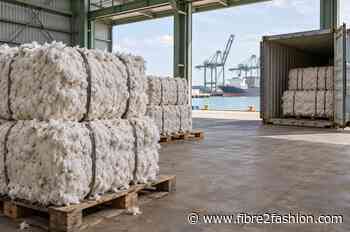 US Upland cotton net sales rose 28 per cent to 277,500 RB in the week ended October 29, 53 per cent above the four-week average, with Vietnam the top buyer at 200,500 RB.
Upland shipments fell 14 per cent to a marketing-year low of 137,800 RB.
Pima sales rebounded to 6,400 RB, led by India, while shipments more than doubled from 3,300 RB to 7,100 RB.
-
Netherlands' retail turnover rises 2.7% in September
 Retail turnover in the Netherlands rose 2.7 per cent year on year in September 2026, while sales volume increased 1.8 per cent, provisional CBS data showed.
Non-food turnover, including online sales, grew 4.6 per cent, but food-sector turnover fell 0.5 per cent as supermarkets declined.
Online retail turnover rose 4.5 per cent, with clothing and fashion retailers up almost 5 per cent.
-
Japan's Gunze H1 operating profit surges 81.3% despite sales dip
 Japan's Gunze Limited maintained its FY27 forecast for net sales of ¥132 billion (~$836.31 million) and operating profit of ¥8.8 billion (~$55.75 million), as first-half results met expectations.
For the six months ended September 30, 2026, sales fell 1.8 per cent to ¥64.08 billion (~$405.99 million), while operating profit surged 81.3 per cent, supported by improved margins and apparel
-
Japan's Goldwin cuts FY27 outlook as H1 operating profit falls 31.7%
 Japan's Goldwin reported a 0.9 per cent rise in H1 FY27 sales to ¥56.09 billion (~$355.37 million), while operating profit fell 31.7 per cent to ¥4.76 billion (~$30.16 million).
Gross margin improved to 52.8 per cent.
The group lowered its FY27 sales forecast to ¥141.50 billion (~$896.50 million) and operating profit outlook to ¥23.80 billion (~$150.79 million), citing weak demand and delivery delays.
-
India's Pearl Global posts record H1 FY27 sales, eyes $1.06 bn by FY30
 India's Pearl Global Industries reported record H1FY27 revenue of ₹3,330 crore ((~$352 million), up 31.1 per cent year on year, while adjusted EBITDA rose 47.7 per cent and profit increased 63.6 per cent.The company plans to invest ₹675-725 crore (~$71-77 million) by FY30 to strengthen supply chains, improve efficiency and support its revenue target of ₹9,000-10,000 crore (~$952 million-$1.06 billion).
-
Brazil cotton prices fall in October as weak demand weighs on market
 Brazil’s cotton prices fell 4.47 per cent month on month in October 2026 amid weak demand and cautious trading, although a weaker real supported a late-month recovery.Global cotton production is forecast to decline 4 per cent in 2026-27 to 25.75 million tonnes, while consumption is expected to rise 0.8 per cent to 26.1 million tonnes, creating a projected supply deficit of 353,000 tonnes, ICAC said.
-
Bank of England raises interest rate to 4% as inflation risks mount
 The Bank of England raised its key interest rate by 25 basis points to 4 per cent, warning that UK inflation could reach around 5 per cent by mid-2027 as the Middle East conflict pushes up energy prices.The MPC voted 8-1 for the increase, citing stronger-than-expected economic activity and growing risks of persistent inflationary pressures.
-
Bangladesh's BRAC Bank cuts export document processing to one day
 BRAC Bank completed Bangladesh’s first fully digital, end-to-end export documentary collection for a garment shipment to the UK, cutting document processing time from 40 days to one using blockchain technology and electronic trade documents.The transaction involved NAZ Bangladesh, Matalan and Lloyds Bank, the bank said.
-
Australian wool market shows signs of stabilisation in November
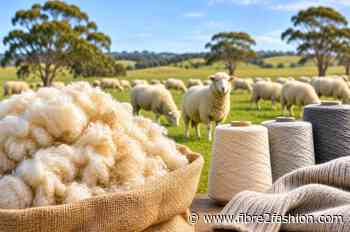 Australia's wool market eased for a fourth week, with the EMI down 25 cents to 1,698 Auc/kg and 21 cents lower in US-dollar terms.
Australian Wool Innovation said 25,022 bales were offered, 21,618 sold and the pass-in rate halved to 13.6 per cent.
Superfine clearances improved, but crossbred indicators stayed under pressure ahead of a 30,919-bale Week 20 forecast.
-
Under Armour heads into a tough quarter amid promotional pressure
 Under Armour is expected to face second-quarter sales pressure as promotions, cautious consumers and limited innovation weigh on demand.
Seeking Alpha sees revenue at $1.22 billion, down over 8 per cent year on year, and a 1-cent loss against a 6-cent profit.
International markets offer scope, but competition, weak brand recognition and limited retail partnerships may constrain growth.
-
Himadri’s sales jump 57.9%, but profit grows only 30.8%
 Himadri Speciality Chemical's consolidated Q2 FY27 revenue rose 57.9 per cent year-on-year to ₹1,691.43 crore (~$178.9 million), but earnings conversion weakened as EBITDA rose 27.5 per cent and PAT 31.3 per cent.
Gross margin narrowed to 30.8 per cent and EBITDA margin to 17.9 per cent as material costs outpaced sales.
Standalone volume reached 146,806 MT, with realisations driving most growth.
-
EU makes product IDs mandatory for e-commerce imports
 The European Union made product identifiers mandatory for goods sold online and declared for customs from November 1, 2026, to improve traceability and detect unsafe or non-compliant imports.Declarations must include merchant, non-standardised manufacturer and standardised product identifiers.The rules apply across all 27 member states, with more comprehensive data requirements planned for July 2028.
-
Brazil vs US cotton: Who will win Asia's mill demand in 2027?
 Brazil exported record 3.37 million tonnes of cotton in 2025-26 and is forecast to lead 2026/27 volumes, but the US still dominates Vietnam by value.
TexPro shows US raw cotton sales to Vietnam at $1.51 billion versus Brazil’s $623 million, while Brazil led in China and Bangladesh.
A $75-per-tonne customs discount for Brazil is tempered by quality, freight, finance and Santos port risks.
-
AGOA runs to 2028: Can Africa's apparel exporters win more US orders?
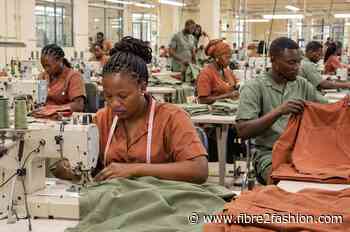 Africa’s apparel sourcing contenders rank competitively, but US order data and TexPro figures show uneven gains, weaker pricing and rising Asian sales into African markets.
Kenya shipped about $617 million of apparel to the US in 2025, ahead of Madagascar, Lesotho and Mauritius, while AGOA volumes rose 27.6 per cent but value fell 4.1 per cent.
-
India's rail freight loading rises 8.32% in October 2026
 Indian Railways loaded a record 145.07 million tonnes of freight in October 2026, up 8.32 per cent year on year, Ministry of Railways said.
Commodity growth was led by food grains, up 26.3 per cent, and domestic coal, up 16.0 per cent; domestic containers rose 6.3 per cent.
April-October FY 2026-27 loading rose 4.67 per cent to 978.78 million tonnes, above 935.10 million tonnes a year earlier.
-
Hugo Boss struggles to win back shoppers as orders soften
 Hugo Boss has taken a more cautious stance for the rest of 2026 as weak demand, lower store traffic and realignment hit sales and wholesale orders.
Currency-adjusted group sales fell 5 per cent and revenue fell 4 per cent to €946 million; retail declined 8 per cent.
Wholesale revenue slipped 2 per cent, inventories fell 14 per cent and EBIT outlook was cut to €250-300 million (~$281-$337 million).
-
Bangladesh, South Korea step up efforts to boost bilateral investment
 Bangladesh and South Korea agreed to form a working group to address trade and investment barriers and explore Korean investment in shipbuilding, ports, logistics and electronics.The move follows the conclusion of CEPA negotiations.South Korean firms also expressed interest in maritime, port and logistics opportunities, as Dhaka seeks investment and technology transfer.
-
Japan's Asahi Kasei raises FY26 operating profit forecast by 17%
 Asahi Kasei has raised its FY26 operating income forecast to ¥290 billion, up 25.4 per cent YoY and 17 per cent above its May view.
First-half operating income rose 54 per cent to ¥165.4 billion as healthcare, materials and AI-linked electronics strengthened.
Materials profit more than doubled; electronics gained on Pimel materials and glass fabric, with FY26 capex focused on electronics.
-
Bangladesh RMG sector: Can it stay on course amid challenges?
 Bangladesh’s RMG sector faces buyer-confidence risks after wage protests halted more than 500 factories on November 1 and nearly 700 the next day.
Earlier gas and power shortages cut daily gas supply by 450–500 million cubic feet and caused 30–40 per cent production-capacity losses.
A six-member wage board aims to set revised pay by December 2026, with new wages to be paid in January 2027.
-
ICE cotton futures extend losses as dollar strengthens
 ICE cotton futures fell for a fourth session as a stronger US dollar, weak grain markets and favourable US harvest weather pressured prices.
The December 2026 contract lost 100 points, or 1.26 per cent, to 78.06 cents per pound, taking its four-session loss to 377 points.
USDA said 52 per cent of the US cotton crop was harvested by October 25, above the five-year average of 45 per cent.
-
France's household confidence plunges to 13-year low in October
 France’s household confidence indicator fell five points to 80 in October 2026, its lowest level since June 2013 and below its long-term average of 100, INSEE said.
The savings climate dropped two points to 118 but stayed above average, while the major-purchase balance lost four points.
Households also reported weaker personal finances, higher unemployment fears and stronger price-rise.
-
Bangladesh & Malaysia open post-LDC FTA talks in Dhaka
 Bangladesh and Malaysia are opening FTA negotiations in Dhaka as Bangladesh seeks preferential market access before LDC graduation.
Additional Commerce Secretary Khadiza Nazneen leads Bangladesh’s team, while 30 Malaysian delegates attend talks aimed at advancing an agreement by next year.
Bangladesh exported $282 million to Malaysia and imported $2.29 billion in fiscal 2024–25, official data showed.
-
19,200-tonne IGERS plant: Can Italy turn textile waste into value?
 IGERS has opened an €8 million (~$8.9 million) automated textile-recycling plant near Novara,
Italy, authorised to treat 19,200 tonnes annually.
It will process used clothing, scraps and surplus stock, using blockchain for traceability.
With EU textile EPR schemes due by 17 April 2028, its impact will depend on throughput, fibre quality and offtake.
-
Rieter sales rise 96.3% in 9M 2026 as Barmag boosts revenue
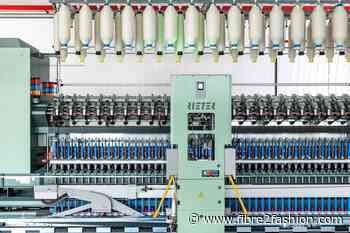 Rieter’s nine-month sales rose 96.3 per cent to CHF 898.6 million (~$1.083 billion), while orders grew 70.1 per cent, driven by Barmag’s consolidation.
Organic sales and orders fell 2.1 and 10.5 per cent respectively.
Margin pressure and weak recovery prompted an operational EBIT margin forecast of minus 2–0 per cent, with sales at the lower end of CHF 1.3–1.5 billion.
-
India's cotton duty exemption ends October 31: Cost risks for spinners
 India’s 11 per cent import-duty exemption on eligible raw cotton runs through October 31, a key deadline for spinners and yarn exporters.
The May 30 relief covers June 1 to October 31, while duty had resumed on January 1 after a similar 2025 exemption.
Lower output and yield make imports and carry-over stocks important; CAI estimates 62 lakh bales of imports and 93.59 lakh closing stocks.
-
Germany's economy stalls as inflation reaches late-2023 high
 Germany’s economy likely stagnated in the Q3 of 2026 after first-half growth, as low Rhine water levels, weaker exports and subdued domestic demand weighed on activity, the Bundesbank said.Harmonised inflation rose to 3.3 per cent in September from 2.9 per cent in August, driven by energy costs.
The central bank expects growth to recover in Q4, subject to Middle East developments.
-
Canada & UAE sign CEPA to eliminate tariffs on over 99% of exports
 Canada and the UAE have signed the Canada-UAE Comprehensive Economic Partnership Agreement after 47 days of talks.The CEPA, expected in 2027, will cut or remove tariffs on over 99 per cent of current Canadian exports to the UAE.Ottawa also cited progress on a $70 billion UAE investment pledge, including logistics, energy and business-link agreements.
-
Avery Dennison Q3: What’s driving 10% apparel & retail RFID growth?
 Avery Dennison’s Q3 2026 results, due October 29, 2026, should clarify inventory normalisation, earnings impact, RFID demand and any FY2026 guidance changes.
Management estimated Q2 customer inventory stocking added about $0.25 per share to adjusted EPS, with a similar Q3 headwind expected.
Apparel and general-retail RFID trends will indicate the platform’s growth trajectory.
-
Woolmark launches Return to Real platform for Merino wool
 Woolmark has launched Return to Real after Ipsos research in five markets found 82 per cent prefer natural fibres over synthetics when price, style and fit are equal.The survey covered the US, France, Germany, Italy and China; Merino wool beat polyester in every market.It also found 67 per cent would pay more for clothing made mainly from natural fibres, while 71 per cent value certification.
-
Turkiye's retail confidence rises 1.1% in October 2026
 Turkiye's seasonally adjusted retail trade confidence index rose 1.1 per cent month on month to 112.5 in October 2026, while services confidence fell 2.4 per cent to 109.2.
Construction confidence edged up 0.4 per cent to 83.3, the Turkish Statistical Institute said.
Indices above 100 indicate optimism; below 100 indicates pessimism.
-
India’s textile industry targets $350 bn in exports by 2030: Report
 India’s textile industry expanded to nearly $190 billion in FY2026 and is targeting $350 billion by 2030, Rubix Data Sciences said.
Textile and apparel exports fell 2.7 per cent to $35.8 billion in FY2026, while imports rose 17.1 per cent to $9.6 billion.
Exports including handicrafts rose 10.3 per cent year-on-year in April-August 2026, with cotton textiles up 18.0 per cent.
-
UK's factory output outlook improves; profits remain under strain: CBI
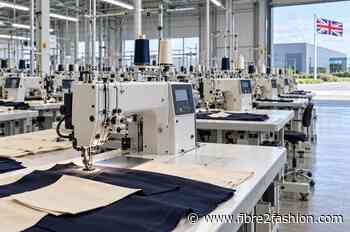 UK manufacturing output is expected to stabilise in the three months to January after a broad-based fall in the quarter to October, the CBI survey shows.
New orders fell in October at the slowest pace since April 2025, while domestic and export orders declined and competitiveness weakened in major markets.Costs remain high, prices trail cost inflation and investment plans stay weak.
-
South Africa’s Pick n Pay's online clothing sales surge in H1 FY27
 South African retailer Pick n Pay’s online clothing sales surged 137 per cent in H1 FY27, supported by its asap! app.Clothing store turnover rose 3.9 per cent, although like-for-like sales declined 0.7 per cent.Group trading profit increased 58.1 per cent, while its headline loss narrowed to R299 million as turnaround efforts progressed towards FY29 break-even.
-
Paraguay's apparel imports rise 24.1%, exports up 24.6% in 3Q
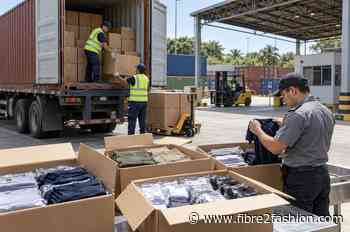 Paraguay's apparel imports rose 24.1 per cent to $166.963 million in January-September 2026 (3Q), while exports increased 24.6 per cent to $109.439 million.
Trousers and shorts led both flows; T-shirts, coats, socks and shirts were other key categories.
The apparel trade deficit widened to $57.524 million from $46.704 million as higher import values outweighed export gains.
-
Gen Z buying trends pressure retail warehouses & fulfilment: Study
 Research from Locus Robotics says 61 per cent of Gen Z apparel shoppers bracket purchases, compared with 15 per cent of Baby Boomers, adding returns pressure.
It also found 79 per cent of Gen Z and 75 per cent of Millennials have bought apparel, beauty or skincare after social-media discovery.
Stores still led recent purchases, but retailers face a wider omnichannel mix.
-
France’s factory confidence rises in Oct as order books strengthen
 France’s manufacturing business climate rose four points to 105 in October 2026, moving further above its long-term average of 100.Global and foreign order books strengthened; foreign orders were the highest since April 2022 and transport equipment rose to 111.Supply-side obstacles stayed high at 31 per cent, while machinery and equipment improved to 107.
-
Canada's Gildan completes $490 mn HanesBrands Australia sale
 Canada's Gildan Activewear has completed the sale of HanesBrands Australia to BBFIT Investments for approximately Au$700 million ($490 million) in cash.The company plans to use the net proceeds to repay outstanding debt.The divestment supports Gildan's ongoing integration strategy, with a focus on operational priorities, capturing synergies and strengthening its portfolio of brands.
-
Can India’s downstream handle Brent at $114 and rising imports?
 India’s crude oil and LNG imports stayed firm in the first fiscal half as Brent climbed to $114 per barrel, raising costs across refining, fertilisers, city gas and petrochemicals.
Crude arrivals reached 22.26 million tonnes in September; April–August LNG volumes were about 7.5 per cent higher year on year.
With over 85 per cent crude import dependence, downstream margins remain exposed.
-
US' consumer confidence falls to 81.9 in September: TCB
 US consumer confidence fell in September as The Conference Board index dropped 6.7 points to 81.9 and conditions and expectations weakened.
Present Situation slid to 109.3 and Expectations fell for a third month to 63.6 as views on business, jobs and income worsened.
Inflation expectations rose to 6.1 per cent, interest-rate concerns increased and planned durables and services spending softened.
-
India's ICAR-CIRCOT signs cotton-picking glove technology MoU
 ICAR-CIRCOT, Mumbai, has signed an MoU with Trust ARS Rubber Private Limited, Chengalpattu, to transfer technology for protective gloves for cotton-picking workers.
The agreement is expected to support commercialisation and wider availability of the gloves.
The reusable gloves are designed to protect hands from sharp cotton bracts while retaining flexibility and comfort.
-
India & Germany discuss trade & technology ties in Berlin
 India’s Commerce and Industry Minister Piyush Goyal has concluded a two-day Germany visit, with Berlin talks focused on trade, investment, advanced manufacturing, research and emerging technologies.He met German Federal Chancellery adviser Levin Holle and leaders from Siemens Healthineers, Bertelsmann and Volkswagen.Indian delegates joined sectoral roundtables with German industry.
-
Brazil's finished apparel imports outpace textile raw materials
 Brazil's finished apparel and home textile imports overtook textile materials in value during January–September 2026, marking a shift in import composition.
Combined imports of the three segments rose 11.2 per cent year on year to $5.283 billion, according to TexPro.
Apparel imports jumped 28.5 per cent to $2.321 billion, while materials slipped 0.3 per cent as fabric imports fell.
-
US modifies Canada tariffs; carpets added, packaging removed
 US has revised Section 338 tariffs on Canadian goods, adding carpets and valves while removing packing boxes, plywood sheets, paper items and equipment.Effective October 30, 2026, the changes apply regardless of USMCA origin and alongside Section 232 tariffs, with some duties at 50 per cent.The move further modifies July and September measures imposed after US-Canada trade talks broke down.
-
Euro area government debt reaches 88.8% of GDP at Q2 end
 Euro area general government gross debt rose to 88.8 per cent of GDP at the end of Q2 2026 from 88.4 per cent in Q1, while the EU ratio increased to 82.9 per cent from 82.5 per cent.Year on year, the ratios also rose in both blocs, Eurostat data showed.Greece, Italy, France, Belgium and Spain had the highest debt-to-GDP ratios; debt securities made up over four-fifths of debt.
-
EU MEPs to visit China over trade deficit & market access
 European Parliament trade committee MEPs will visit China on October 27-29 to discuss Beijing’s trade policy, its impact on European firms and jobs, and scope for dialogue.The delegation will visit Beijing, Hangzhou and Shanghai, raising concerns over raw-material dependence, excess capacity and market access.The EU’s deficit with China has recently reached €1 billion (~$1.12 billion) a day.