

✗ Close categories
 Addiction
Apple
Apps & Smartphones
Arts
Asia News
Bollywood
Books
Business
Cars
Celebrity
China
Cinema, Theater & TV
Coronavirus
Culture
Digital
Ebola
Economy
Education
Electronics
Entertainment
Environment
Europe
Fashion
Finance
Food
Funny videos
Gadgets
Games
General News
Health
Hollywood
International Crime
Jobs
Leisure
Lifestyle
Middle East
Military
Mindfulness
Movies
Music
Nature
News videos
NewsPhoto
Nightlife
Olympics
Organized Crime
Pakistan
Politics
Psychology
Recipes
Religious
Sci-Tech
Science
Sex & Relationships
Showbizz
Social media
South Asia
Sports
Technology
Television
Title
Traffic
Travel
Trending UK
UK News
Weather
World News
✗ Close categories
Addiction Apple Apps & Smartphones Arts Asia News Bollywood Books Business Cars Celebrity China Cinema, Theater & TV Coronavirus Culture Digital Ebola Economy Education Electronics Entertainment Environment Europe Fashion Finance Food Funny videos Gadgets Games General News Health Hollywood International Crime Jobs Leisure Lifestyle Middle East Military Mindfulness Movies Music Nature News videos NewsPhoto Nightlife Olympics Organized Crime Pakistan Politics Psychology Recipes Religious Sci-Tech Science Sex & Relationships Showbizz Social media South Asia Sports Technology Television Title Traffic Travel Trending UK UK News Weather World News✗ Close categories
✗ Close categories
American football
Archery
Athletics and triathlon
Badminton
Bandy
Baseball and softball
Basketball
Billiards and snooker
Boxing
Chess
Cricket
Cycling
Equestrian sports
Field hockey
Floorball
Football
Formula 1
Gilli-danda
Goa
Golf
Gymnastics
Handball
Hockey
Ice hockey
Indian Martial Arts
Jalikattu
Kabaddi
Kancha
Karate
Kayaking
Kho-kho
Kite-flying
Korfball
Lacrosse
Motorsports
Netball
Polo
Rock climbing
Rugby
Sepak takraw
Seval Sandai
Table tennis
Taekwondo
Tennis
Throwball
Traditional and regional sports
Volleyball
Weightlifting and powerlifting
Winter sports
Wrestling
✗ Close categories
American football Archery Athletics and triathlon Badminton Bandy Baseball and softball Basketball Billiards and snooker Boxing Chess Cricket Cycling Equestrian sports Field hockey Floorball Football Formula 1 Gilli-danda Goa Golf Gymnastics Handball Hockey Ice hockey Indian Martial Arts Jalikattu Kabaddi Kancha Karate Kayaking Kho-kho Kite-flying Korfball Lacrosse Motorsports Netball Polo Rock climbing Rugby Sepak takraw Seval Sandai Table tennis Taekwondo Tennis Throwball Traditional and regional sports Volleyball Weightlifting and powerlifting Winter sports Wrestling✗ Close categories
✗ Close categories
Agartala
Agra
Ahmedabad
Ajitgarh
Ajmer
Alappuzha
Aligarh
Allahabad
Alwar
Ambala Cantt
Ambarnath
Amritsar
Anand
Anantapur
Angul
Ankleshwar
Aurangabad
Baddi
Badlapur
Bangalore
Barddhaman
Bareilly
Barnala
Bathinda
Belgaum
Bellary
Bharuch
Bhavnagar
Bhilai
Bhimavaram
Bhiwandi
Bhopal
Bhubaneswar
Bhuj
Bijapur
Bikaner
Bilaspur
Boisar
Bokaro Steel City
Brahmapur
Chandigarh
Chengannur
Chennai
Chittoor
Coimbatore
Cuttack
Dehradun
Dhanbad
Dharamsala
Dharwad
Dhule
Dibrugarh
Dindigul
Dombivli
Durgapur
Eluru
English Bazar
Ernakulam
Erode
Faridabad
Ferozepur
Gandhidham
Gandhinagar
Ghaziabad
Girinagar
Gorakhpur
Greater Noida
Gulbarga
Guntur
Gurgaon
Guwahati
Gwalior
Haldwani
Haridwar
Hisar
Hoshiarpur
Hospet
Hosur
Howrah
Hubballi
Hyderabad
Imphal
Indore
Jabalpur
Jaipur
Jalandhar
Jalgaon
Jammu
Jamnagar
Jamshedpur
Jhansi
Jharsuguda
Jodhpur
Kakinada
Kakkanad
Kalyan
Kangra
Kannur
Kanpur
Karaikkudi
Karimnagar
Karnal
Karur
Khammam
Kharagpur
Kochi
Kolhapur
Kolkata
Kollam
Korba
Kota
Kottayam
Kozhikode
Kurnool
Kurukshetra
Latur
Lucknow
Ludhiana
Madurai
Mangalore
Manipal
Margao
Mathura
Mavelikara
Meerut
Mehsana
Mira Bhayandar
Moradabad
Mullana
Mumbai
Mysore
Nadiad
Nagercoil
Nagpur
Namakkal
Nanded
Nashik
Navi Mumbai
Navsari
Nellore
New Delhi
Nizamabad
Noida
Ongole
Palakkad
Panaji
Panipat
Pathanamthitta
Patiala
Patna
Pilani
Pimpri Chinchwad
Puducherry
Pune
Purnia
Raigarh
Raipur
Rajahmundry
Rajkot
Ranchi
Raysan
Rishikesh
Rohtak
Roorkee
Rourkela
Rudrapur
Sagar
Salem
Samastipur
Sambalpur
Sangrur
Satara
Satna
Secunderabad
Shillong
Shimla
Shimoga
Silchar
Siliguri
Sivakasi
Solapur
Sonipat
Srinagar
Surat
Tezpur
Thane
Thanjavur
Thiruvananthapuram
Thoothukudi
Thrissur
Tiruchirappalli
Tirunelveli
Tirupati
Tiruppur
Udaipur
Udupi
Ulhasnagar
Unnao
Vadodara
Valsad
Vapi
Varanasi
Vasai
Vasco da Gama
Vellore
Vijayawada
Virar
Virudhunagar
Visakhapatnam
Warangal
Yamuna Nagar
✗ Close categories
Agartala Agra Ahmedabad Ajitgarh Ajmer Alappuzha Aligarh Allahabad Alwar Ambala Cantt Ambarnath Amritsar Anand Anantapur Angul Ankleshwar Aurangabad Baddi Badlapur Bangalore Barddhaman Bareilly Barnala Bathinda Belgaum Bellary Bharuch Bhavnagar Bhilai Bhimavaram Bhiwandi Bhopal Bhubaneswar Bhuj Bijapur Bikaner Bilaspur Boisar Bokaro Steel City Brahmapur Chandigarh Chengannur Chennai Chittoor Coimbatore Cuttack Dehradun Dhanbad Dharamsala Dharwad Dhule Dibrugarh Dindigul Dombivli Durgapur Eluru English Bazar Ernakulam Erode Faridabad Ferozepur Gandhidham Gandhinagar Ghaziabad Girinagar Gorakhpur Greater Noida Gulbarga Guntur Gurgaon Guwahati Gwalior Haldwani Haridwar Hisar Hoshiarpur Hospet Hosur Howrah Hubballi Hyderabad Imphal Indore Jabalpur Jaipur Jalandhar Jalgaon Jammu Jamnagar Jamshedpur Jhansi Jharsuguda Jodhpur Kakinada Kakkanad Kalyan Kangra Kannur Kanpur Karaikkudi Karimnagar Karnal Karur Khammam Kharagpur Kochi Kolhapur Kolkata Kollam Korba Kota Kottayam Kozhikode Kurnool Kurukshetra Latur Lucknow Ludhiana Madurai Mangalore Manipal Margao Mathura Mavelikara Meerut Mehsana Mira Bhayandar Moradabad Mullana Mumbai Mysore Nadiad Nagercoil Nagpur Namakkal Nanded Nashik Navi Mumbai Navsari Nellore New Delhi Nizamabad Noida Ongole Palakkad Panaji Panipat Pathanamthitta Patiala Patna Pilani Pimpri Chinchwad Puducherry Pune Purnia Raigarh Raipur Rajahmundry Rajkot Ranchi Raysan Rishikesh Rohtak Roorkee Rourkela Rudrapur Sagar Salem Samastipur Sambalpur Sangrur Satara Satna Secunderabad Shillong Shimla Shimoga Silchar Siliguri Sivakasi Solapur Sonipat Srinagar Surat Tezpur Thane Thanjavur Thiruvananthapuram Thoothukudi Thrissur Tiruchirappalli Tirunelveli Tirupati Tiruppur Udaipur Udupi Ulhasnagar Unnao Vadodara Valsad Vapi Varanasi Vasai Vasco da Gama Vellore Vijayawada Virar Virudhunagar Visakhapatnam Warangal Yamuna Nagar✗ Close categories

-
Indian-origin sixth-grader trains machine-learning model to spot lithium deposits with 89% accuracy
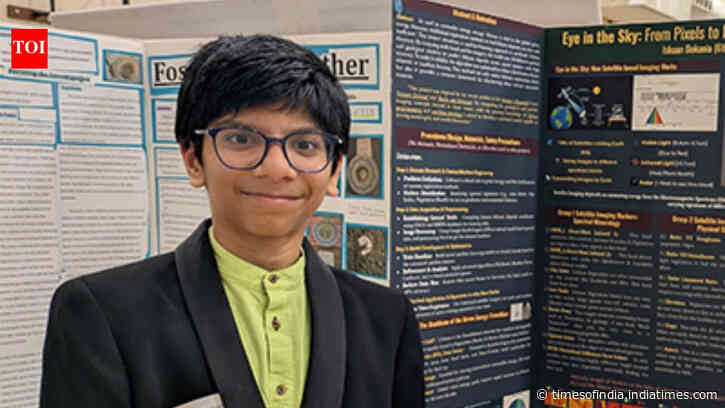 Ishaan Dokania, a sixth-grader from Oregon, is exploring lithium resource identification using satellite imagery and machine learning. His project reached 89% accuracy in predicting potential lithium deposits after addressing data noise and testing various algorithms. Ishaan's innovative approach combines geology and remote sensing to streamline mineral exploration. He is competing as a finalist in the 2026 Thermo Fisher Scientific Junior Innovators Challenge.


-
Scientists find African elephants can distinguish visual clues linked to food quantity
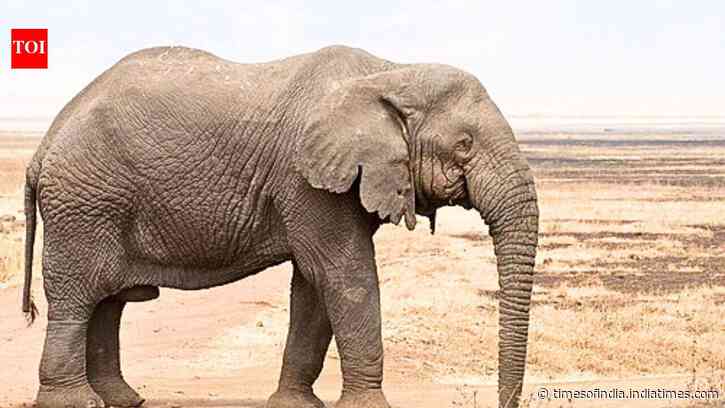 African elephants can distinguish food availability visually when they are within 5 metres of potential food sources. Researchers tested elephants using canvases depicting different tree sizes and leaf densities to assess their choices. Findings suggest that these animals rely primarily on olfactory cues for food decisions beyond 5 metres. The study highlights the significance of both visual and olfactory information during foraging.
-
165-million-year-old fossil from China reveals mammal ancestor that swam and swallowed like mammals
 Scientists have identified a 165-million-year-old mammal predecessor from China that had a broad tail for swimming and throat bones similar to those of modern mammals. Named Megacauda sungei, the Jurassic-era animal could chew and swallow food using specialised structures. Published in Nature, the findings offer new insights into how early mammals developed different feeding abilities.
-
Stanford’s 20-year blood-cancer therapy treats first commercial patient; trial found 78% free of GVHD
 In a remarkable advancement, Stanford researchers have unveiled Orca-T therapy, which has recently received FDA approval. After two decades of rigorous development, this innovative treatment was administered to its inaugural commercial patient, a high-risk leukemia sufferer. Notably, Orca-T significantly minimizes the chances of graft-versus-host disease post-stem cell transplants, offering reduced chemotherapy requirements and lower side effects. Future studies are anticipated to investigate it
-
Could humans live up to 194 years? Scientists find a possible biological limit
 A groundbreaking study suggests that if we could eliminate aging mechanisms, humans could potentially live between 146 to 194 years. Researchers spotlight somatic mutations as key contributors to aging, delving into how various organs age differently. Neurons and heart muscle cells face unique challenges, while liver cells exhibit regenerative abilities. Although not a forecast for actual lifespans, this research investigates the theoretical boundaries of human longevity.
-
Coastal Forest Loss Speeds Up: Albemarle Peninsula trees retreat 21%; ghost forests spread faster
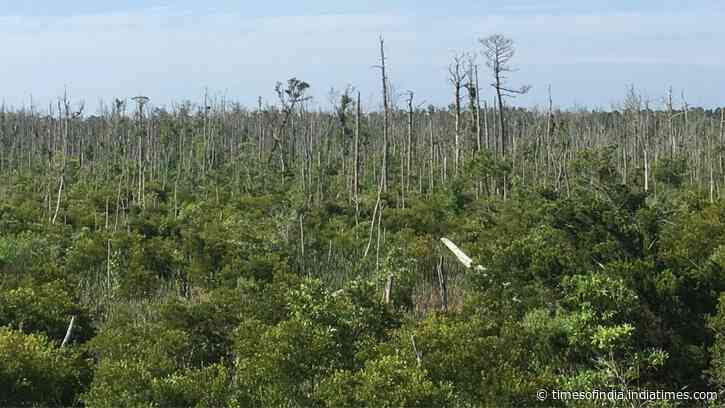 Over the last 36 years, North Carolina's coastal forests have seen a dramatic decrease in forest cover. The decline sped up after 2010 due to rising sea levels and increased salinity. The research revealed a troubling shift, with once green areas transforming into marshes, shrubs, or ghost forests. Moreover, extreme weather events have intensified the threat of saltwater intrusion, making these forests increasingly vulnerable.
-
Meet Filip Lajciak, the Slovak student who built an affordable 3D microscope
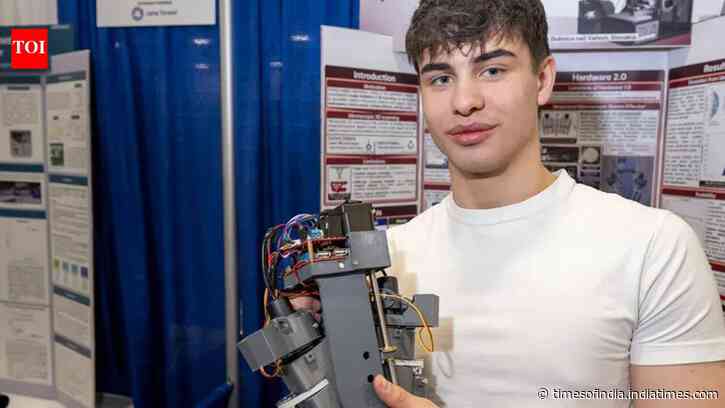 Filip Lajciak has developed an innovative and cost-effective microscope capable of producing non-invasive 3D models of minute samples. By employing a stereo camera within the microscope, the device captures images from various angles and processes them into intricate point clouds and disparity maps. This cutting-edge technology holds great promise for the analysis of micro-particle structures and biological specimens. Lajciak's outstanding work was acknowledged at ISEF 2026, earning several pres
-
Sharks’ Long-Range Hearing: Study finds 74m sound detection; sharks turn away
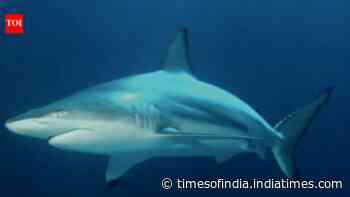 A team of researchers from Florida Atlantic University discovered that wild blacktip sharks possess the ability to detect low-frequency sounds from considerable distances. This groundbreaking study sheds light on how these sharks navigate their aquatic environments, as they exhibited keen directional hearing by making sharp turns in response to sound sources.
-
Noah’s Ark mystery deepens as archaeologists drill Mount Ararat site for ancient wood clues
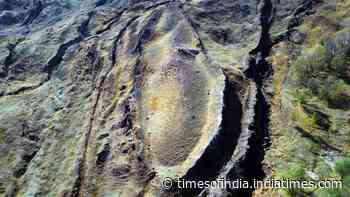 Archaeologists investigating Turkey’s Mount Ararat have drilled the boat-shaped Durupinar formation for the first time, collecting hundreds of soil samples from depths of up to 60 feet. Researchers are examining organic matter and possible traces of ancient wood for clues linked to Noah’s Ark, but laboratory analysis is still needed before drawing conclusions.
-
New Zealand’s giant wētāpunga shows recovery after 11,000 insects released over 15 years
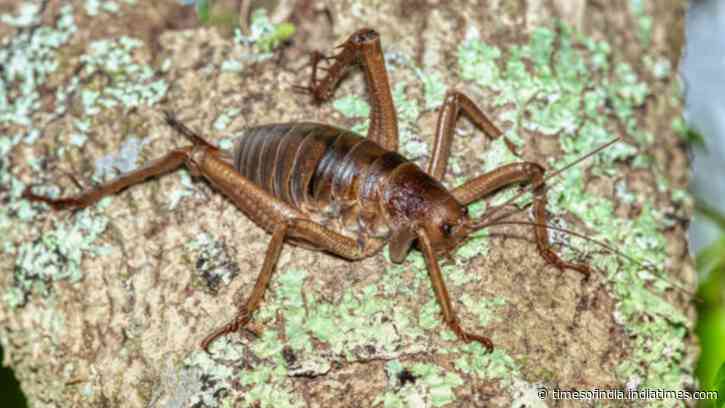 Wētāpunga, the largest giant wētā species in New Zealand, is rebounding after years of decline caused by habitat destruction and invasive predators. Thanks to dedicated conservation efforts, more than 11,000 wētāpunga have been bred and released into protected areas. With at least four generations now thriving in the wild, the program aims to sustain their growing populations and ensure their future survival.
-
Faya was brought to Hawaii for its berries and later used in reforestation
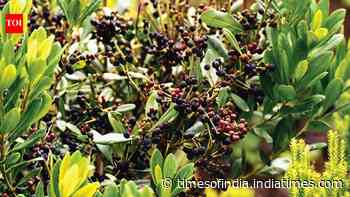 Faya, originally brought to Hawaii for ornamental purposes, has established itself as an invasive species in Hawaii Volcanoes National Park. This tree disrupts the native ecosystem by altering soil pH and shading native plants. Birds play a crucial role in spreading Faya's berries, furthering its invasion. Control efforts include girdling the trees and applying herbicide to manage its spread.
-
In 1993, California's pocket mouse was rediscovered; 33 years later, 530+ have been reintroduced
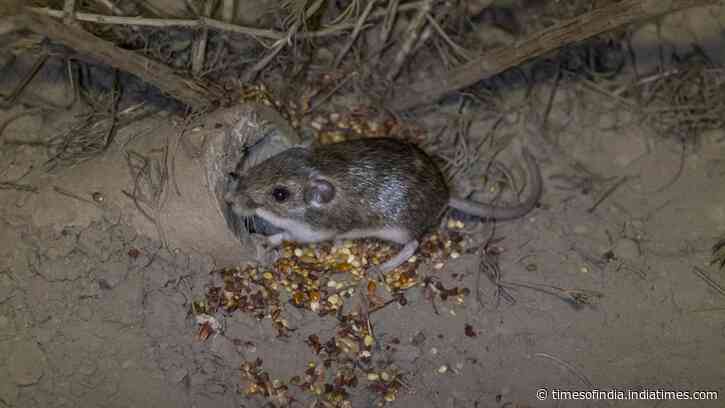 Conservationists have been working to revive the Pacific pocket mouse populations in Southern California since their rediscovery in 1993. Since 2006, more than 530 mice have been released into their native habitats through the San Diego Zoo Wildlife Alliance's efforts. The establishment of a third population in North San Mateo marks progress in their recovery. Additionally, genetic rescue efforts are being initiated to improve genetic diversity among the reintroduced populations.
-
In 1876, a New York artist sculpted Cleopatra’s death; 100 years later, it was found as a horse’s gravestone
 Edmonia Lewis, a trailblazing artist of mixed heritage, crafted the striking sculpture The Death of Cleopatra in 1876, which initially garnered accolades. However, the piece disappeared for many years, only to be found in an unsuspecting salvage yard. Faced with systemic discrimination, Lewis relocated to Rome for greater artistic prospects.
-
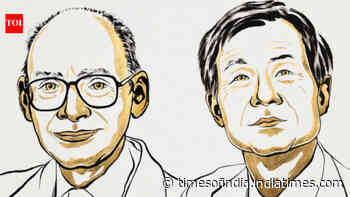
France’s Henri Kagan, Japan’s Kenso Soai win 2026 Nobel Chemistry Prize
 The Nobel Prize in Chemistry is awarded annually as part of the Nobel Prizes established under the will of Swedish inventor and industrialist Alfred Nobel. Nobel, who made his fortune through inventions including dynamite, specified that prizes should be awarded to those who had made the “greatest benefit to humankind” in five fields: Physics, Chemistry, Physiology or Medicine, Literature and Peace.
-
In 2014, ship with 32M illegal cigarettes was sunk off Ireland; 12 years later, marine life has colonised the wreck
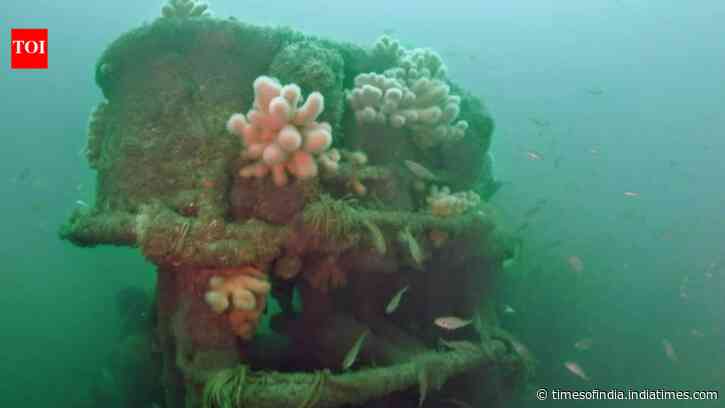 In a fascinating move, the MV Shingle was purposefully submerged along Ireland's northwest coast, transforming into a thriving artificial reef. Legal challenges and its deteriorating state made scrapping impractical, leading to its sinking in 2024. As marine life increasingly flourishes around the wreck, the area has seen a spike in biodiversity and year-round visitor interest, highlighting the necessity of effectively managing these ecological projects for lasting benefits.
-
African park once called a “silent graveyard” now has 37 rhinos and seven calves
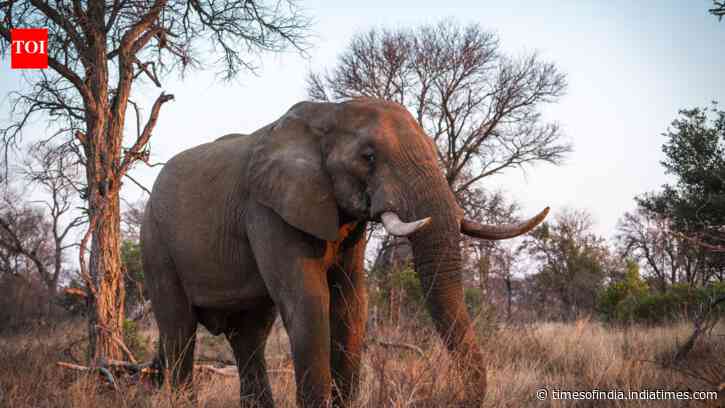 Zinave National Park in Mozambique experienced severe wildlife loss during a 16-year civil war, which impacted biodiversity. Rewilding efforts initiated in 2016 have since introduced several species, including rhinos and lions. The introduction of 250 elephants has helped restore the park's ecosystem and enhance habitats for various species. Conservation programs and anti-poaching strategies have also been implemented to protect newly introduced wildlife.
-
3,000-year-old horse buried inside ancient Egyptian fortress may have been a chariot animal
 Archaeologists have uncovered the remains of a 3,000-year-old young male horse inside Egypt’s ancient Abqaa’ fortress, suggesting it may have been used to pull a chariot. Nearby harness fittings point to its military role. Excavations also uncovered tablets bearing the names of Ramesses II and Merneptah, along with a depiction of a captured Libyan prisoner from the Meshwesh tribe.
-
Lake Hartwell Shoreline Cleanup: Drought exposes long-hidden trash; volunteers pull record 36 tires
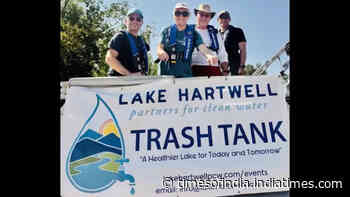 In a remarkable display of community spirit, volunteers have gathered over 8,300 pounds of litter from the shores of Lake Hartwell, driven by an ongoing drought that has unveiled hidden debris. Amid concerns regarding the Clemson Lower Diversion Dam Saddle Dike, the U.S. Army Corps of Engineers has enforced specific restrictions.
-
Chang’e-6 soil reveals metallic iron in lunar samples; it may preserve clues to Moon’s lost magnetic field
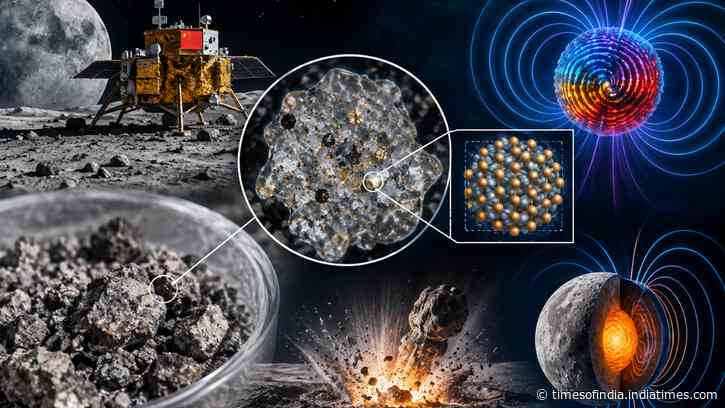 Recent analysis of lunar soil samples returned by China's Chang’e-6 mission revealed a unique form of iron. This iron, γ-Fe, exhibits exceptional magnetic properties, which could provide insights into the Moon's ancient magnetic field. Researchers suggest that extreme impacts on the lunar surface caused the formation and preservation of this unusual iron. The findings could enhance our understanding of the Moon's geological history and its evolution over time.
-
New dating rewrites history of Oklahoma meteor crater
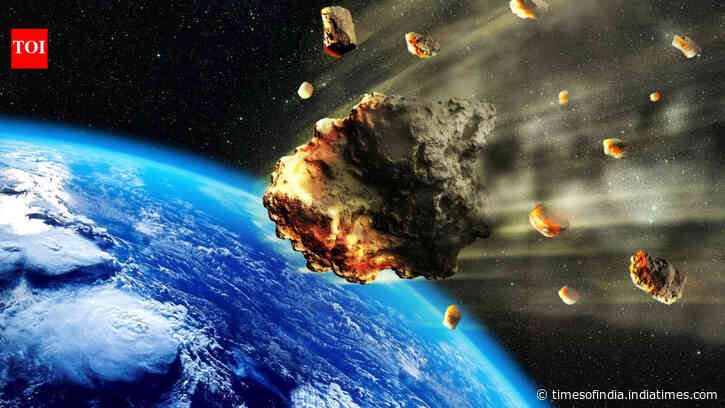 Researchers from the University of Texas at Austin have traced the Ames meteor impact to approximately 370 million years ago, presenting a significant revision to the previously accepted estimate of 467 million years. This research connects the impact with the Frasnian-Famennian mass extinction event, employing zircon crystals to establish a more precise timeline, thus providing deeper insights into pivotal moments in Earth's geological history.
-
In 1987, ancient glass sponge reefs were found alive off Canada's Pacific coast after 40 million years
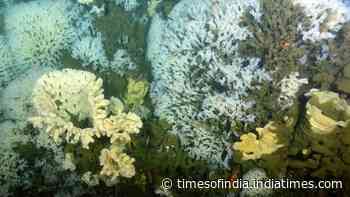 In 1987, Canadian scientists discovered ancient glass sponge reefs alive in British Columbia’s Hecate Strait, overturning the belief that these reef-building animals had vanished 40 million years ago. More than 9,000 years old, the reefs survive today in Hecate Strait, Queen Charlotte Sound and Howe Sound, creating a rare underwater ecosystem often called the “Sea of Glass.”
-
Astronomers find ‘phoenix planet’ born from ashes of a dying star
 A team of astronomers has discovered a second-generation planet orbiting a white dwarf named HS 0209+0832. This planet formed from the material that the white dwarf expelled during its death. The atmosphere of the white dwarf contains heavy elements such as zinc, copper, and niobium. This discovery could change the way astronomers search for similar planets around dead stars.
-
Two sisters turned their childhood love of the ocean into a 65-foot research yacht
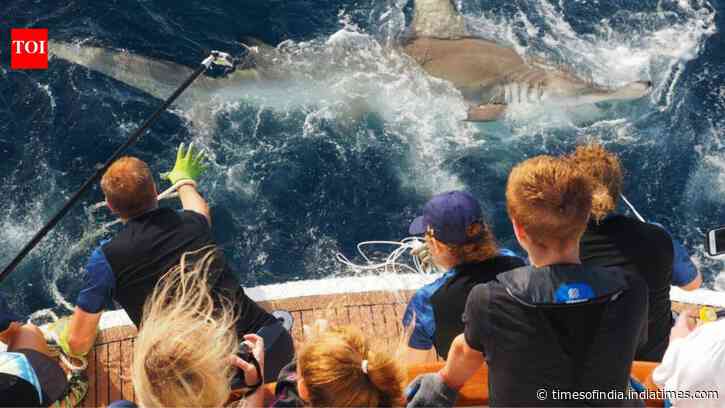 Angela Rosenberg and her sister took a significant step by establishing the ANGARI Foundation to fill the void in marine science education. Collaborating with Florida International University, they facilitate student participation in real-world expeditions aboard the research vessel R/V ANGARI. These experiences, including shark tagging and plankton exploration, aim to ignite students' passion for marine science, fostering a connection between youth and the ocean.
-
Scientists found a new magnetic mineral in Chang’e-6 Moon samples, preserved inside impact-glass particles
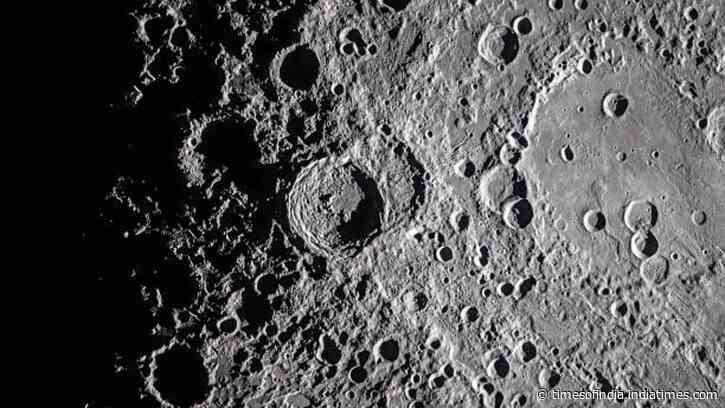 A groundbreaking discovery by researchers has unveiled a new magnetic mineral, γ-Fe, found in lunar samples from the Chang'e-6 mission. This remarkable find sheds light on the ancient magnetic environment of the Moon, now long lost. Detailed analysis of tiny iron particles within lunar impact glasses reveals that γ-Fe can maintain stable magnetic signals, potentially serving as a record of the Moon's magnetic history.
-
Burmese pythons and invasive plants reshape Everglades as native mammals decline by about 90%
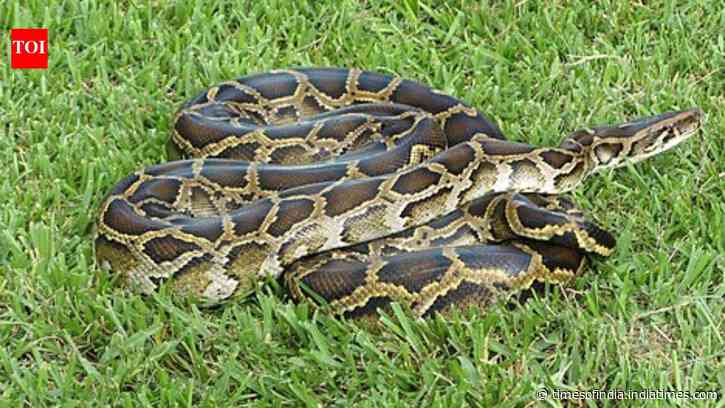 The Everglades is grappling with the impacts of non-native species that are wreaking havoc on its native ecosystems. Invasive plants such as Melaleuca and Brazilian pepper are changing fire patterns and overshadowing indigenous flora. Moreover, the Burmese python is contributing to alarming drops in native mammal numbers. Ongoing management strategies are being implemented to combat these invaders, highlighting the urgent need for effective ecological restoration to safeguard this unique environ
-
Andrew Sun-Zhuang built a $260 AI pitching machine with 94% strike accuracy
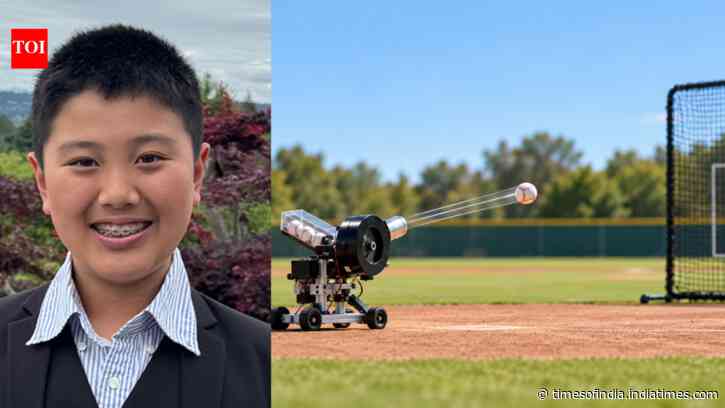 Andrew Sun-Zhuang, a 7th grader, developed an AI-powered pitching machine to enhance his baseball skills. He utilized a Raspberry Pi, servos, and motors to construct his prototype, named VisionStrike. After training an AI model with images of himself, he achieved impressive pitching accuracy. The final machine cost only $260, significantly less than conventional models. Andrew has been passionate about baseball since childhood, displaying an interest in robotics as well.
-
Montana student compares banana and plantain starch to make stronger bioplastic
 Rye Lynn Rost, a seventh grader from Montana, created bioplastics using starch from plantains and bananas. She discovered that plantains have more starch and higher tensile strength than bananas. Rye performed tests by comparing both bioplastics against plastic parafilm to evaluate their strength. Her project focuses on making sustainable bioplastics that are durable in environmental conditions over time.
-
13 insects in 99-million-year-old amber reveal new species with mouthpart nearly twice its body length
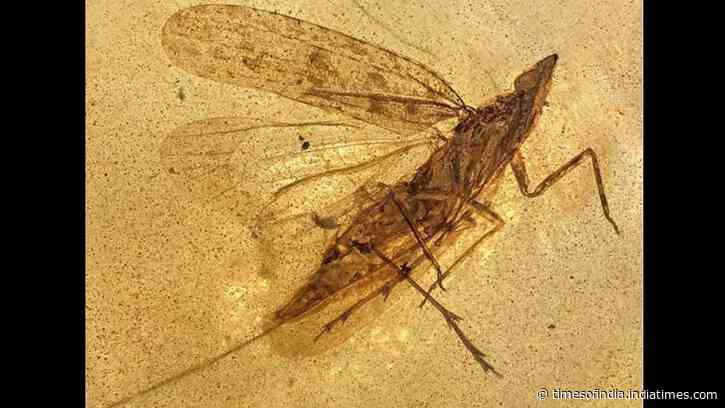 A remarkable new insect species, Cretodorus noonoo, has been unearthed from 99 million-year-old amber found in Myanmar. This intriguing species is linked to the Neazoniidae family, renowned for its extraordinary mouthparts. These long and flexible adaptations reveal specialized feeding behaviors on tree sap. This discovery sheds light on the ecological interactions within Cretaceous forests, illustrating the diverse evolutionary strategies that shaped ancient ecosystems.
-
Ageing mice study finds why 'zombie cells' evade immune clearance and fuel inflammation
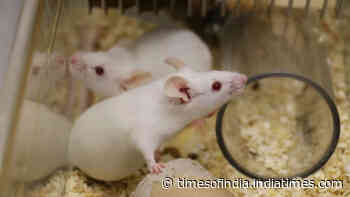 Researchers studying ageing in mice have found that a decline in chaperone-mediated autophagy (CMA), a cellular recycling process, helps “zombie cells” accumulate by weakening the immune system’s ability to clear them. Restoring CMA reduced senescent-cell buildup, inflammation and fibrosis in mice, pointing to a possible new approach to age-related diseases.
-
40 oyster reefs placed along Gandy's Beach in New Jersey to support live oysters and cut storm-wave
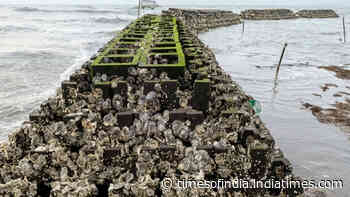 A New Jersey project that began installing 40 constructed oyster reefs along about 800 metres of Gandy’s Beach in 2015 recorded more than 800 live oysters per square metre during early monitoring. Researchers also found the reefs reduced storm-wave height by up to 51% under certain conditions, though seven years of monitoring showed continued elevation and vegetation loss at the site.